






The Hidden Dangers of a Monsoon Drive
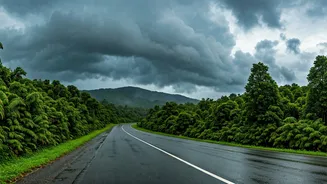
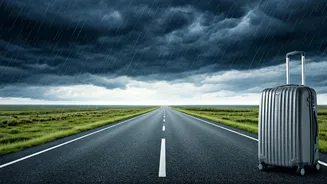
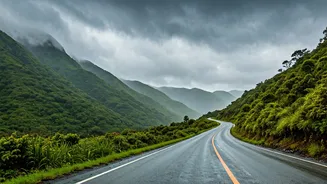
The romance of chasing the rains on the highway often masks significant dangers. During the monsoon, roads become treacherous. Heavy downpours drastically reduce visibility, while wet surfaces increase braking distances and the risk of skidding or hydroplaning,
where a layer of water builds between your tires and the road, causing a loss of control. Potholes hide under waterlogged streets, and in hilly areas, the threat of landslides is a constant concern. Recent weather alerts for regions like North Bengal, Kerala, and Arunachal Pradesh highlight the real-time risks, with authorities often issuing travel warnings and even night travel bans in vulnerable areas. Driving through flooded streets can also lead to catastrophic engine damage, known as hydrostatic lock, if water enters the air intake. Rather than a scenic adventure, a monsoon road trip can quickly become a stressful ordeal of navigating hazards and potential breakdowns.
The Art of Slowing Down: Why a Monsoon Stay Wins
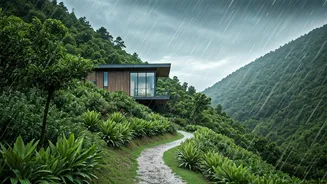
The perfect antidote to the chaos of monsoon driving is the joy of a stationary getaway. Opting for a single, scenic destination allows you to truly immerse yourself in the season's beauty without the associated risks. Imagine waking up to the sound of rain, sipping hot tea while watching clouds drift past your window, and enjoying the lush, rain-washed world from the comfort and safety of a beautiful resort. This approach, often called 'slow travel', prioritizes relaxation and deep appreciation of a place over a frantic, checklist-driven journey. It’s about letting the monsoon’s magic come to you, whether that's through reading a book on a covered veranda, enjoying a spa treatment, or taking short, safe walks in the rejuvenated landscape. It’s a holiday for your senses, not a test of your driving skills.
Hill Stations: Where Clouds Are Your Neighbours
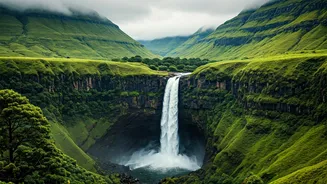
The hills come alive during the monsoon, and many destinations offer breathtaking experiences for those who stay put. In the Western Ghats, places like Coorg, Chikmagalur, and Lonavala are transformed into green paradises. Resorts in these areas are designed to maximize the view, with large windows and balconies overlooking misty valleys and newly awakened waterfalls. Further north, while some high-altitude areas are risky, destinations like Kasauli offer a safer mountain experience with pine-covered hills and a colonial charm. The key is choosing accessible hill stations known more for their tranquil resorts than their treacherous roads, allowing you to enjoy the mountain monsoon without the anxiety of a dangerous climb.
Coastal Retreats: Dramatic Skies and Roaring Seas
While many associate the coast with sunshine, the monsoon brings a different, more dramatic kind of beauty. Goa, for instance, sheds its party persona for a quieter, greener vibe. The beaches are less crowded, and the resorts offer a front-row seat to the spectacle of dark clouds meeting the Arabian Sea. Similarly, the backwaters of Kerala, in places like Alleppey and Wayanad, become even more lush and enchanting. A stay in a coastal or backwater resort during this season is about experiencing nature's power and beauty, from the scent of wet earth to the rhythmic sound of the waves, all from a safe and comfortable haven.
Heritage Havens: A Royal Welcome to the Rains
Even the arid landscapes of Rajasthan offer a unique monsoon charm. Cities like Udaipur, the 'City of Lakes', are rejuvenated as the rains fill the lakes and the surrounding Aravalli hills turn a surprising shade of green. Staying in a heritage hotel or a lakeside palace offers a truly romantic and atmospheric experience. You can enjoy the rain-kissed views of historic architecture and shimmering waters without having to navigate crowded or flooded streets. It's a chance to see a different side of India's royal heartland, where the monsoon adds another layer of magic to its timeless appeal.