


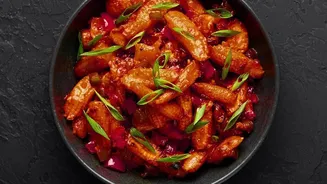
Start With Your Favourite Curries
The heart of many Indian meals is the curry, or sabzi. Think about the ones your family loves most. Is it a winter classic like sarson da saag, made with vibrant mustard greens? Or perhaps a simple aloo matar, which shines when made with sweet, fresh
winter peas. The cooler months, typically from November to March, are perfect for root vegetables like carrots and radishes, and brassicas like cauliflower, which become sweeter and denser in the cold. A winter gobhi holds its shape beautifully in a spicy curry, unlike its watery summer version. Summer, on the other hand, brings a bounty of gourds. Lauki (bottle gourd), turai (ridge gourd), and karela (bitter gourd) are hydrating and light, perfect for warmer weather from March to July. List your top five curries and note their main vegetable ingredients. This forms the first building block of your personal calendar.
Analyse Your Go-To Stir-Fries and Sides
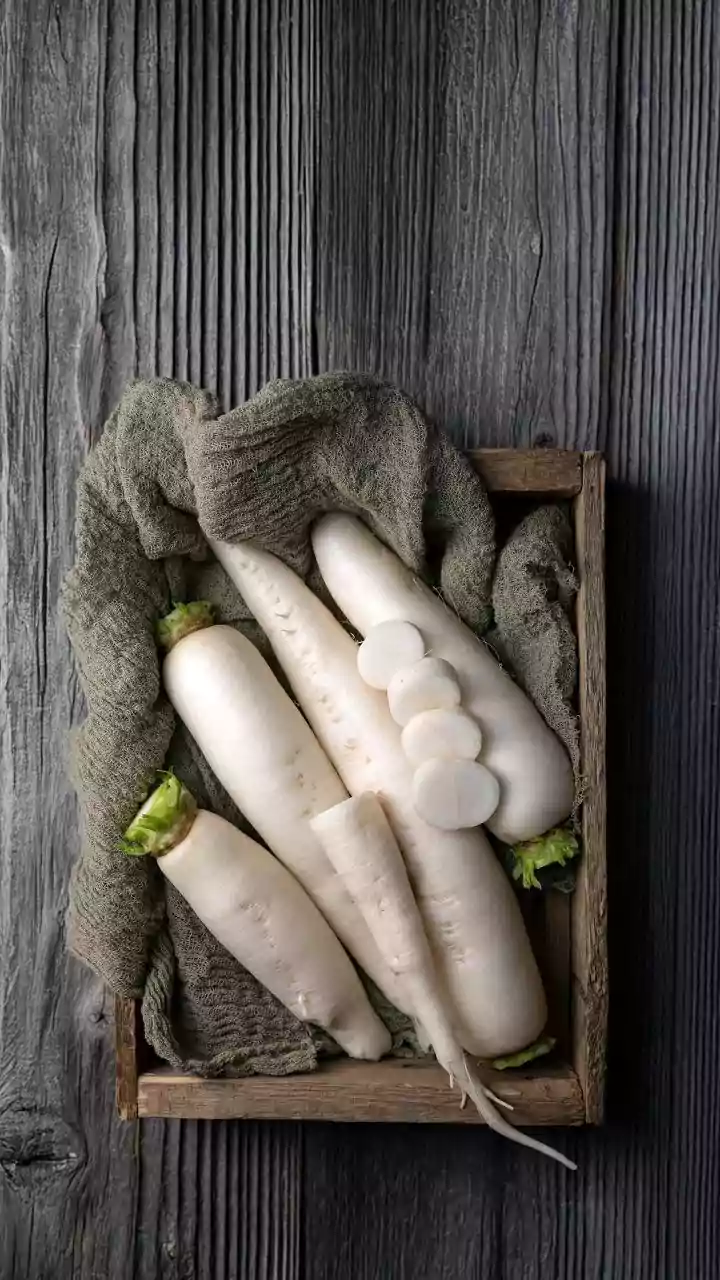
Beyond the main curry, think about the accompanying stir-fries and dry vegetable preparations. Bhindi (okra), a summer and monsoon staple, is a prime example. It thrives in warm weather and is perfect for quick stir-fries. Similarly, cluster beans (guar) and snake gourd are readily available during the monsoon months between July and November. Leafy greens like spinach (palak) and fenugreek (methi) are best in the winter, when they are lush and flavourful, ideal for dals or simple bhurjis. Even something as simple as a side salad changes with the seasons. Crisp, juicy cucumbers are abundant in summer, while winter brings sharp, flavourful radishes (mooli) that are perfect for pickling or adding to salads. By mapping these side dishes to their peak seasons, you begin to see a pattern emerge, making your weekly shopping more intuitive.
Deconstruct Your Favourite Snacks
Snack time is deeply seasonal in India. The monsoon wouldn't be the same without roasted or boiled corn on the cob. Samosas and pakoras, while enjoyed year-round, often feature seasonal fillings. Think of green pea-stuffed kachoris in winter or onion pakoras when the rains arrive. Summer brings the undisputed king of fruits, the mango, which is eaten fresh, turned into chutneys, or used in drinks. Even simple snacks like chikki can have seasonal variations, using sesame in winter for its warming properties. List the snacks you crave most and their core ingredients, whether it's potatoes for aloo tikki, gram flour for pakoras, or seasonal fruits. This helps you stock your pantry with ingredients that are at their freshest and most affordable.
Plan Your Packed Meals and Tiffins
Packed lunches, whether for school or work, are a weekly reality for many households. Planning them seasonally ensures variety and nutrition. In winter, a paneer or gobi paratha is hearty and satisfying. For summer, a lighter fare like curd rice or a cucumber sandwich feels more appropriate. Tiffin staples like vegetable pulao or upma can be easily adapted. Use sweet winter carrots and peas for a winter pulao, and switch to quick-cooking summer vegetables for a lighter upma. Even idlis and dosas can be made seasonal by pairing them with different chutneys or sambars—a warming tomato and onion gotsu in winter versus a cooling coconut chutney in summer. Planning your tiffins based on what's available reduces meal-prep stress and keeps lunches interesting.
Build Your Personalised Calendar
Now, assemble your notes. Group the dishes you listed under the three main seasons: Summer (March-July), Monsoon (July-November), and Winter (November-March). You will quickly see a practical, usable guide take shape. Your 'Winter' list might be heavy on carrots, peas, cauliflower, and spinach, suggesting meals like gajar ka halwa, matar paneer, and palak dal. Your 'Summer' list will likely feature mangoes, watermelons, cucumbers, and bottle gourd. And 'Monsoon' will be characterised by corn, jamun, and a variety of gourds. This reverse-engineered calendar is far more useful than a generic chart because it's built around your actual eating habits. It acknowledges regional availability implicitly, as you naturally cook what is accessible and fresh in your local market.