






A New Cadence of Ambition
In a clear signal of its growing confidence, ISRO has announced an ambitious target of conducting at least seven launch missions before the end of the current fiscal year in March 2027. ISRO Chairman V Narayanan confirmed the accelerated schedule, stating
that the next mission is expected within the next two months. This planned surge in activity represents a significant step-up for the agency, moving beyond one-off flagship missions to a more sustained and frequent launch cadence. The announcement comes at a time of great momentum for India's space ecosystem, highlighted by the recent successful orbital launch by private firm Skyroot Aerospace, demonstrating a growing synergy between the public and private sectors.
The Jewel in the Crown: Gaganyaan
Headlining the upcoming launch manifest is the first uncrewed flight of the Gaganyaan programme, India's prestigious human spaceflight mission. This mission, designated G1, is arguably the most critical flight of the year. It will serve as a full dress rehearsal, testing the end-to-end capabilities of the systems designed to carry Indian astronauts into orbit. The flight will validate the performance of the human-rated LVM3 rocket, the orbital module's life support systems, and the crew module's ability to safely re-enter the atmosphere and be recovered after splashdown. A successful G1 mission is the final major hurdle before India proceeds with sending astronauts—Vyomanauts—into space, a feat that will place the nation in an elite club of space-faring countries.
Eyes in the Sky, Services on the Ground
Beyond the Gaganyaan mission, the fiscal year's launch roster is packed with satellites aimed at enhancing national infrastructure and services. Among the planned missions are advanced Earth Observation Satellites (EOS) like GISAT-1A, designed to provide near real-time imaging of the subcontinent. This capability is vital for disaster management, offering rapid updates during cyclones and floods, as well as for monitoring agriculture and border areas. Also on the manifest is GSAT-32, a next-generation communication satellite set to boost broadband connectivity and digital services, particularly in remote regions. These missions underscore a key part of ISRO's mandate: using space technology for the direct socio-economic benefit of the country.
Building the Foundation for Growth
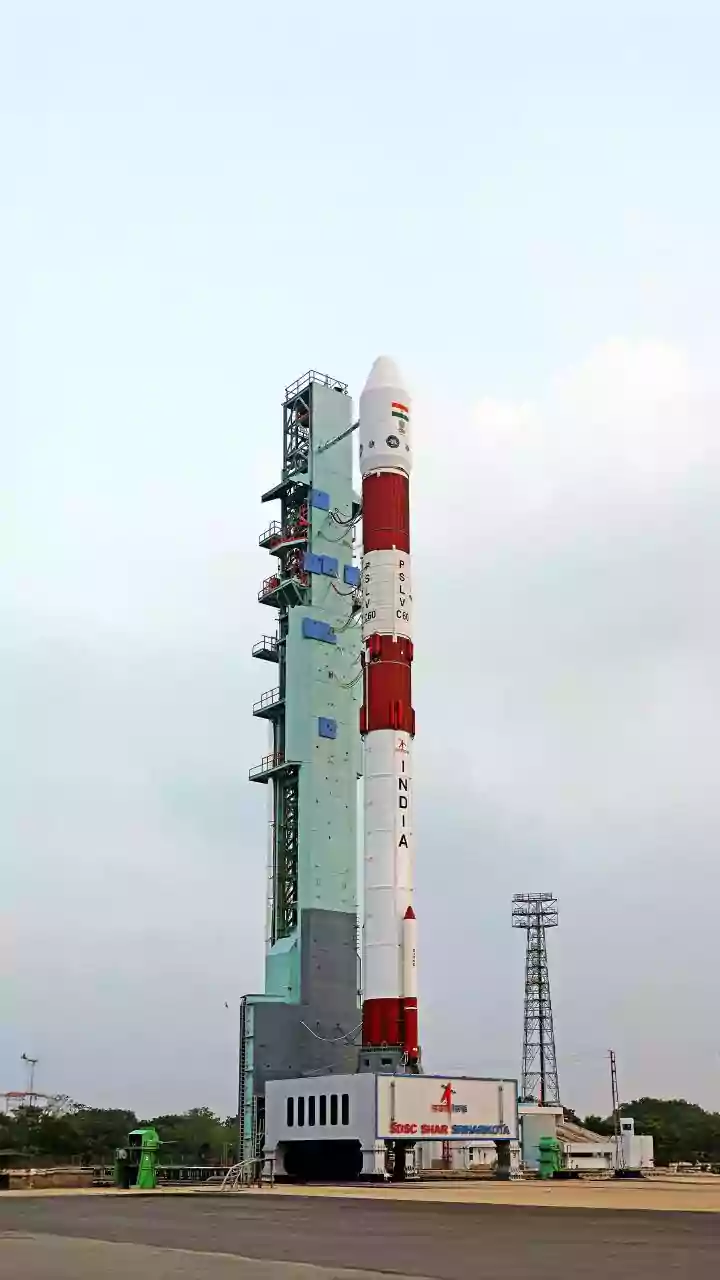
This increased launch frequency is not happening in a vacuum. It is supported by a concerted expansion of ground infrastructure. A crucial development is the new launch complex at Kulasekarapattinam, Tamil Nadu, which is expected to be commissioned this fiscal year. This second spaceport is specifically designed to handle launches of the Small Satellite Launch Vehicle (SSLV), freeing up the main pads at Sriharikota for heavier rockets like the PSLV and LVM3. This optimization will allow for a more streamlined and parallel launch schedule, making it possible to meet the demands of both national missions and a growing list of international commercial customers. This investment in infrastructure is a long-term play, laying the groundwork for India to capture a larger share of the global space economy.