







From Treadmills to Tree-Lined Avenues
For years, the definition of fitness in urban India was tied to a gym membership. It meant scheduled hours on a treadmill, lifting weights in an air-conditioned room, and often, exercising alone with earphones as your only companion. But a significant
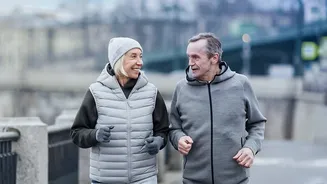
shift is underway. A growing number of city dwellers are trading in their gym cards for a pair of comfortable shoes and the open air. This movement isn’t towards another high-intensity workout trend, but something fundamentally simpler: walking. More specifically, walking together. Across cities like Mumbai, Delhi, Bengaluru, and Pune, walking clubs and informal groups are mushrooming, signalling a collective move away from isolated, high-cost fitness towards community-driven wellness that is free and accessible to all.
More Than Just Counting Steps
The rise of these clubs is about much more than just physical exercise. For many, it's an antidote to the loneliness and stress of modern urban life. After years of pandemic-induced isolation and the subsequent shift to hybrid work models, people are actively seeking genuine human connection. Walking groups provide a low-pressure environment to meet new people, build friendships, and foster a sense of community. The conversation flows as easily as the footsteps, creating bonds that extend beyond the morning or evening stroll. Experts note that this social aspect is a powerful motivator; when you know a group is waiting for you, you are more likely to show up consistently.
A Pan-India Phenomenon
This trend is not confined to one or two cities. In Mumbai, groups gather along the Marine Drive promenade at dawn. In Delhi, parks like Lodhi Garden and the pathways of Lutyens' Delhi see groups of all ages walking together. Bengaluru, with its numerous lakes and tech corridors, has seen an explosion of walking and running clubs, with groups like the 'Bangalore Morning Walkers Meetup' and others gaining hundreds of members. Even in Thiruvananthapuram, run clubs have evolved into crucial social hubs where residents find friendship and support. These groups often organize themselves through social media and WhatsApp, creating hyper-local networks that are easy to join and incredibly effective at building habits.
The Social Glue of the Sidewalk
What makes these walking groups so compelling is that they function as a 'third place'—a crucial social space between home and work. In fast-paced metros where social lives are often highly structured or digitally mediated, a simple walk offers an authentic way to connect. The groups are remarkably diverse, bringing together people across different ages, professions, and fitness levels. A 21-year-old might find themselves sharing stories with someone in their 60s, forging intergenerational friendships that are rare in other social settings. This shared ritual provides structure, emotional warmth, and a sense of belonging that many city dwellers crave.
A Boost for Mind and Body
While the social benefits are clear, the health advantages are undeniable. Regular walking is proven to improve cardiovascular health, reduce blood pressure, and strengthen the heart. But the mental health benefits are just as profound. Walking, especially in a group and outdoors, is shown to reduce symptoms of anxiety and depression, improve mood, and boost self-esteem. It offers a chance to disconnect from screens, de-stress from work pressures, and engage with the physical world. This aligns with a broader shift in India's wellness culture, where mental well-being is increasingly seen as a vital component of physical fitness.