
A UNESCO World Heritage Site on Rails
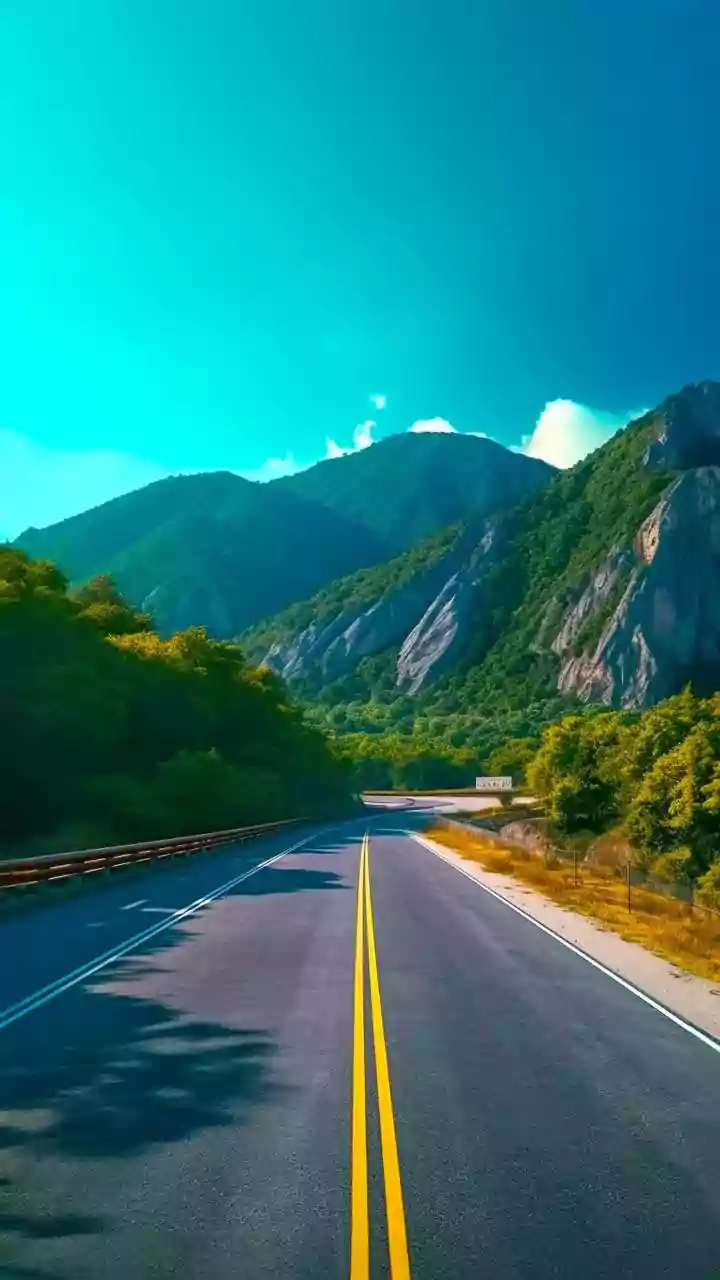
The Western Ghats, a UNESCO World Heritage Site, represent one of the world's most important biodiversity hotspots. Stretching along India's west coast, this mountain range is a treasure trove of dense forests, unique wildlife, and breathtaking landscapes.
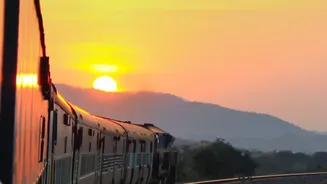
A train journey here isn't just a commute; it's a front-row seat to one of nature's grandest spectacles. Unlike a fleeting view from a plane, the slow, rhythmic pace of a train allows you to immerse yourself in the environment, transforming the travel itself into a core part of the vacation. Routes like the Nilgiri Mountain Railway are themselves part of the heritage, featuring historic engineering that makes the journey as fascinating as the destination.
The Unbeatable Monsoon Scenery
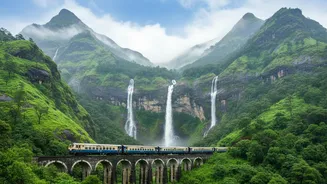
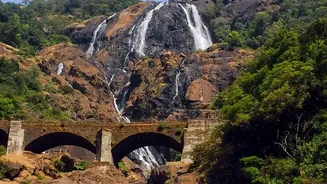
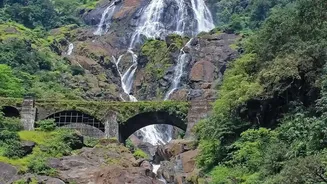
While beautiful year-round, the Western Ghats truly come alive during the monsoon season (June to September). The landscape explodes into a vibrant green, rivers swell, and countless waterfalls appear, often cascading right next to the tracks. One of the most iconic sights is the Dudhsagar Falls, which means 'Sea of Milk'. Trains on the Goa to Londa route pass so close to this majestic, multi-tiered waterfall that passengers are often misted by its spray. The journey through tunnels and over high bridges, with clouds drifting across the hills, creates a cinematic and unforgettable experience that many travellers seek out deliberately.
Decoding the 'Budget' in Premier
The term 'premier' often implies high cost, but this is where the Western Ghats rail journey breaks the mould. Train travel in India remains significantly more affordable than flying, especially for scenic routes. For example, a ticket on the Mumbai-Goa route via the Konkan Railway can cost as little as a few hundred rupees for a sleeper class seat, with AC coach fares also being highly economical compared to air tickets. Recent reports in August 2026 highlight that many travellers are opting for trains over expensive flights, valuing both the cost savings and the richer experience. This combination of low transport cost and a world-class visual experience is the journey's ultimate value proposition.
Iconic Routes to Consider
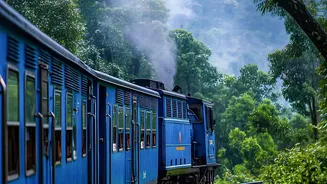
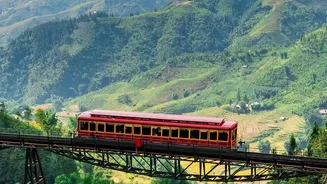
Several train routes offer a spectacular journey through the Ghats. The Konkan Railway, connecting Mumbai to Goa and further south, is arguably the most famous. It features over 2,000 bridges and 90 tunnels, showcasing incredible engineering against a backdrop of coastal and mountain scenery. Another must-do is the Vasco da Gama (Goa) to Londa (Karnataka) route, celebrated for its proximity to Dudhsagar Falls and lush landscapes. For a different flavour, the Nilgiri Mountain Railway in Tamil Nadu offers a historic 'toy train' experience, climbing steep hills to reach the hill station of Ooty. Each route offers a unique perspective on the region's diverse beauty.
Planning Your Ghats Rail Adventure
Booking your journey is straightforward. Tickets can be booked online through the IRCTC website or authorized platforms like redRail and MakeMyTrip up to 60 days in advance. For the best monsoon views, plan your trip between June and September. However, the post-monsoon period from October to February offers pleasant weather and clear skies, which is ideal for photography. A window seat is, of course, highly recommended. Pack light, bring a camera, and be prepared to be captivated by the journey. The train is more than just transport; it is the destination.