



Understanding Your Pet’s Fear
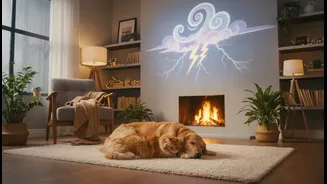
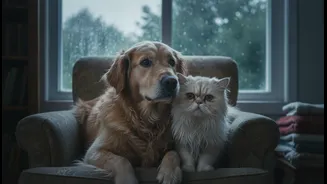
A pet's fear of thunderstorms, or astraphobia, is more than just a dislike of loud noise. Their keen senses can detect subtle environmental shifts that we miss. The fear is often a multi-layered response to several triggers: the loud, unpredictable claps
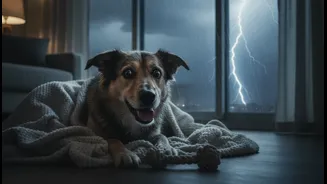
of thunder, the flashing lightning, changes in barometric pressure, and even the buildup of static electricity in the air, which can cause an uncomfortable tingling sensation in their fur. This isn't just drama; for your pet, the threat feels very real, activating a powerful instinct to hide or escape. Recognizing the signs—pacing, panting, trembling, hiding, or excessive vocalization—is the first step toward providing effective support.
Create a Calming Sanctuary
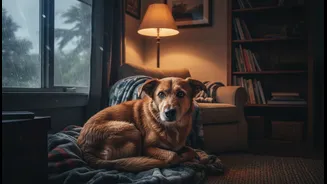
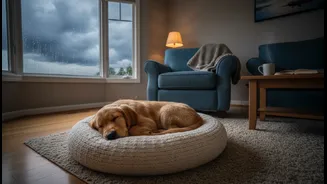
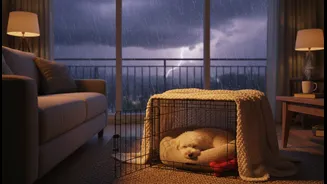
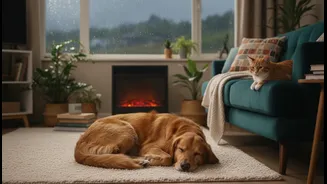
One of the most effective immediate strategies is to provide your pet with a safe, designated retreat. This space should be in a part of the house where storm sounds are naturally muffled, like a basement or an interior room without windows. Fill this “den” with their favorite bed, soft blankets, and familiar toys to create a sense of security. For crate-trained dogs, their crate can become a perfect sanctuary if you cover it with a thick blanket to block out light and sound, but always leave the door open so they don't feel trapped. The goal is to give them a comforting place they can retreat to on their own terms.
Manage the Storm in the Moment
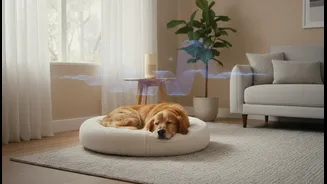
When a storm is underway, managing the environment can significantly reduce your pet's anxiety. Close curtains and blinds to block out startling flashes of lightning. Mask the sound of thunder by playing calming music, such as classical or reggae, or by using a white noise machine or a fan. Engaging your pet in a distracting activity, like a gentle game of tug or working on a food puzzle, can help shift their focus away from the storm. It's important to act calm and upbeat yourself, as your pet will take cues from your behavior. While you shouldn't excessively coddle a fearful pet, which can reinforce the fearful behavior, being a calm presence is reassuring.
Long-Term Solutions: Desensitization
For a long-term fix, veterinary behaviorists recommend desensitization and counter-conditioning. This involves playing recordings of storm sounds at a very low, barely audible volume while your pet is relaxed. Pair the sounds with high-value treats, praise, or a favorite game. Over many sessions, you can gradually increase the volume, always ensuring your pet remains calm and happy. If they show any sign of anxiety, you’ve moved too fast; simply lower the volume back to a comfortable level. This process slowly rewires your pet's association with thunder, teaching them that the sound predicts good things, not danger.
Helpful Tools and Professional Support
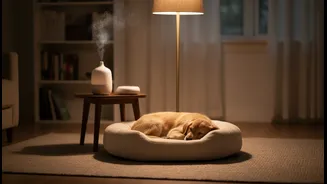
Several products can help soothe an anxious pet. Anxiety wraps, such as the Thundershirt, apply gentle, constant pressure that has a calming effect on many animals, similar to swaddling an infant. Pheromone diffusers or collars release synthetic copies of calming animal pheromones. There are also various calming supplements containing ingredients like L-theanine or chamomile. However, for severe phobias, these tools may not be enough. If your pet's anxiety is extreme, causes destructive behavior, or doesn't improve, it's crucial to consult a veterinarian. They can rule out other medical issues and may recommend prescription anti-anxiety medication to use in conjunction with behavior modification.