





A Sweet Revolution in Daily Life
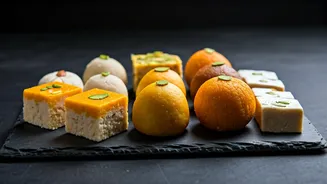
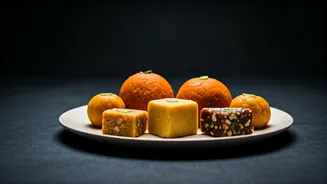
For generations, mithai has been deeply woven into the fabric of Indian celebrations. Its presence was a non-negotiable part of Diwali, Holi, weddings, and births. Outside of these grand occasions, however, the humble sweet box remained largely out of sight.
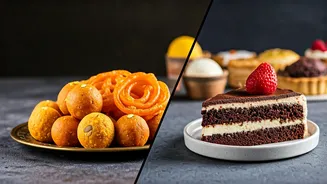
That culture is now undergoing a significant transformation. A recent survey highlighted this shift, revealing that 51% of urban Indian households now enjoy traditional sweets three or more times a month, a notable jump from previous years. This move from ceremonial indulgence to casual, everyday consumption marks one of the biggest evolutions in India's food landscape. Driven by changing lifestyles, rising disposable incomes, and a new wave of culinary innovation, mithai is successfully carving out a space for itself as a daily dessert, a convenient snack, and a go-to comfort food, competing with chocolates and pastries.
The Rise of the Modern Mithaiwala
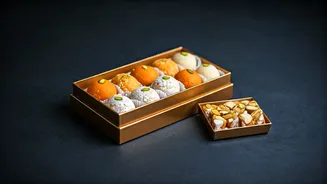
Driving this change is a new league of artisanal and gourmet mithai brands that are reimagining what Indian sweets can be. Labels like Bombay Sweet Shop, Khoya, Arq, and Saugaat by Bikanervala are giving mithai a luxurious makeover. They operate more like premium chocolatiers or French patisseries, focusing on small-batch production, high-quality ingredients, and zero preservatives. The packaging itself has become a statement, with elegant, contemporary designs replacing the generic cardboard boxes of old. This premium positioning has expanded the role of mithai in gifting culture. It's no longer just a festive giveaway but a sophisticated choice for corporate gifting, wedding favours, and personal milestones, making it relevant year-round.
Health Gets a Sweet Makeover
Perhaps the most critical factor in mithai’s daily comeback is the health-conscious revolution. As consumers become more mindful of their sugar intake, the industry has responded with remarkable innovation. Traditional recipes are being re-engineered with healthier alternatives, catering to a generation that wants to indulge without the guilt. Refined sugar is being replaced with natural sweeteners like jaggery, dates, and stevia. Millets such as ragi and jowar are substituting traditional flours, adding nutritional value. This has given rise to an entire market of sugar-free, low-calorie, gluten-free, and even vegan mithai, from kaju katli made with stevia to laddoos crafted from nuts and dates. A recent survey confirmed this demand, with 55% of urban consumers expressing a desire for sweets with significantly less sugar.
A Fusion of Global and Local Flavours
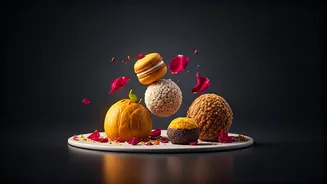
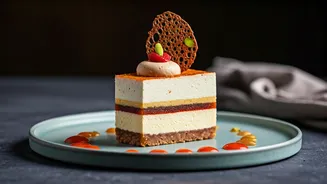
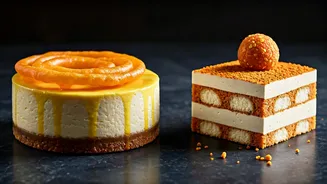
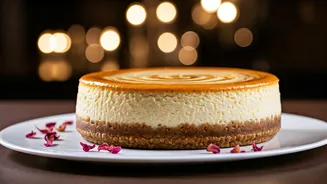
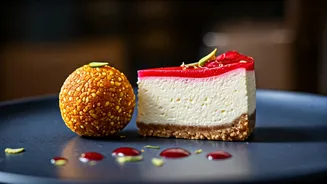
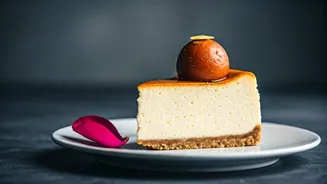
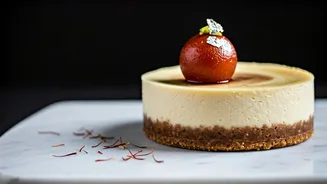
The modern mithai is not just healthier; it's also more adventurous. Chefs and brands are experimenting with bold flavour combinations, blending global dessert trends with classic Indian profiles. This has led to an explosion of creative fusion sweets that excite younger, more globalised palates. Think of coffee-infused rasgullas, blueberry pedas, lavender barfis, or even mithai-inspired creations like rasmalai cheesecake and motichoor laddoos layered into cakes. This cross-pollination of flavours makes traditional sweets feel new and exciting, bridging the gap between a classic gulab jamun and a Western dessert. By doing so, brands are ensuring that the fundamental flavours of cardamom, saffron, and rose that define mithai are presented in a format that feels both familiar and refreshingly modern.