



A Symphony for the Senses
There's a unique magic to the Indian monsoon, a season that awakens the senses. The smell of petrichor as rain kisses dry earth, the rhythmic pitter-patter on rooftops, and the sudden drop in temperature. In this setting, the pakora isn't just a snack;
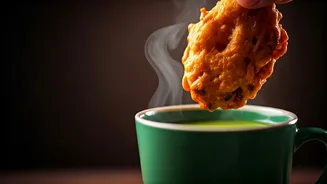
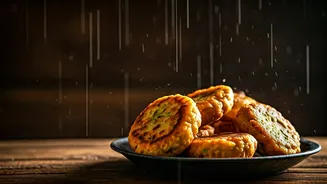
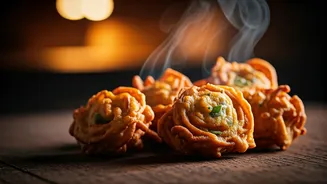
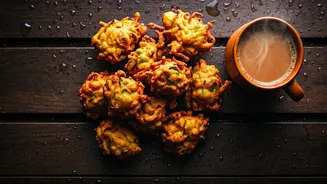
it's the perfect sensory counterpoint. The aggressive sizzle of batter hitting hot oil is the kitchen’s answer to the gentle rain outside. The warmth of a freshly fried pakora held between your fingers stands in delicious defiance to the damp chill in the air. It’s a multi-sensory experience: the crunch of the first bite that’s loud enough to rival the thunder, followed by the soft, flavourful interior of spiced vegetables or paneer. This contrast—hot against cool, crisp against soft, spicy against mellow—is what makes the connection between rain and pakoras feel so fundamental and right.
The Science of Comfort
Why this specific craving? There’s a bit of science to our love for fried foods on a gloomy day. Foods high in carbohydrates and fat, like pakoras, can have a comforting effect on our brains. They can trigger the release of neurotransmitters like serotonin, which contribute to feelings of well-being and happiness. When the grey skies bring a slight dip in mood, our bodies instinctively seek out these comforting, energy-dense foods. The pakora, essentially a vehicle for delicious, spiced batter, is a perfect candidate. It’s a quick, satisfying hit of warmth, fat, and flavour that provides an emotional lift—a small, golden piece of sunshine on a cloudy day.
A Tradition of Togetherness
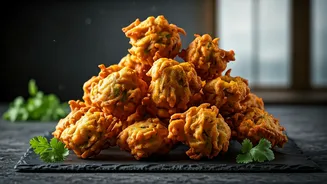
Beyond the individual craving, pakoras are a powerful social glue. The announcement that pakoras are being made is often a signal for the family to gather. It’s an impromptu, informal celebration of the rain. Someone chops the onions and potatoes, another mixes the besan (gram flour) batter to just the right consistency, and another takes on the role of the master fryer, doling out hot batches to eager hands. It’s a ritual that transforms a simple snack into a shared experience. These moments, huddled in the kitchen or balcony, passing around a platter of steaming fritters while watching the downpour, become cherished memories. The pakora is rarely a solitary snack; its true flavour is unlocked when shared with laughter and conversation.
The Perfect Partner: Chai
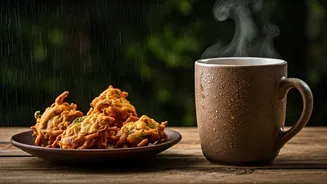
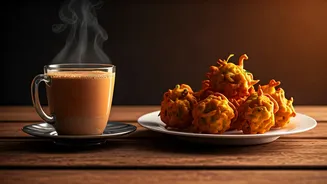
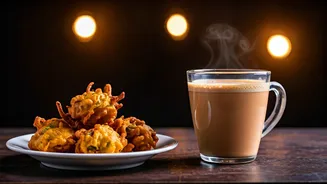
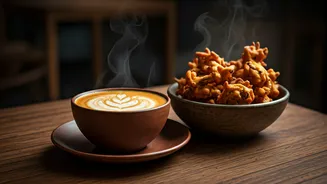
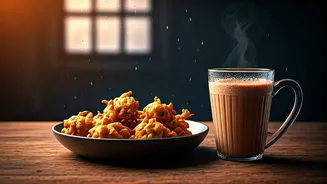
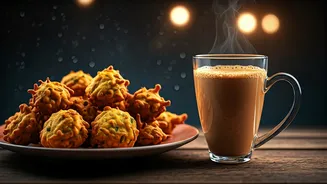
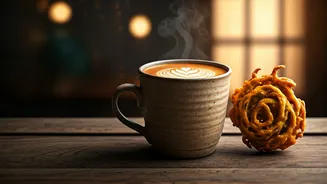
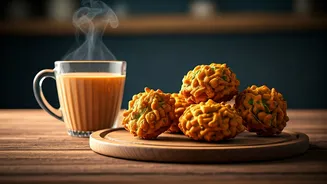
A plate of pakoras feels incomplete without its soulmate: a cup of hot, milky, masala chai. This pairing is one of the pillars of Indian culinary harmony. The spicy, savoury, and sometimes oily pakora is perfectly balanced by the sweet, aromatic, and slightly astringent chai. The heat of the tea complements the heat of the fritter, while its milky sweetness cuts through the richness, cleansing the palate and leaving you ready for the next bite. It’s a conversation between two distinct flavour profiles that understand each other perfectly. One without the other on a rainy afternoon feels like an unfinished sentence.
A Guide to Pakora Perfection
While the spirit of the pakora is forgiving, a few tips can elevate your rainy-day ritual. For the crispiest results, ensure your oil is hot but not smoking—around 180°C is ideal. Don't overcrowd the pan, as this lowers the oil temperature and leads to soggy pakoras. A thick batter makes for a doughy, heavy pakora; aim for a consistency that coats your ingredients without being clumpy. Adding a spoonful of hot oil or a pinch of baking soda to the batter can also enhance crispiness. The variations are endless, from the classic onion (pyaz) and potato (aloo) to spinach (palak), cauliflower (gobi), and cubes of paneer. Each brings its own texture and taste, ensuring the tradition never gets old.