





The Calorie-Counting Conundrum
If you've ever tried logging a meal of dal, sabzi, and roti into a popular calorie-tracking app, you've likely met with frustration. You might find dozens of entries for 'dal', with calorie counts ranging wildly. Is your home-cooked dal the same as the restaurant
version loaded with cream and butter? These apps, largely built on Western food databases, often lack the granularity for India's diverse, regional, and preparation-specific cuisine. A study by the National Institute of Nutrition found that most weight-loss apps are not aligned with Indian dietary recommendations, creating more confusion than clarity. The result is that users often get inaccurate estimates, making it nearly impossible to track nutrition effectively.
Rethinking the Indian Thali
Before you dismiss Indian food as unhealthy, it's important to understand the foundation of a traditional meal: the thali. For centuries, the thali has been a model of balanced nutrition. It’s a blueprint that naturally incorporates all the essential food groups. You have carbohydrates for energy (roti, rice), protein for muscle repair (dal, legumes, paneer), vegetables for vitamins and fibre (sabzi), and healthy fats and probiotics (ghee, curd). The misconception that Indian food is unhealthy often comes from restaurant-style cooking, which uses more oil, cream, and butter for richness. Home-cooked meals are typically much lighter and more balanced. The problem isn't the food itself, but often the portion sizes and preparation methods.
A Practical Guide to Building a Healthy Plate
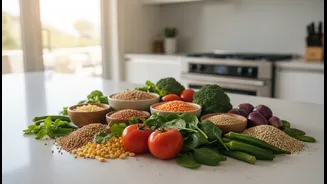
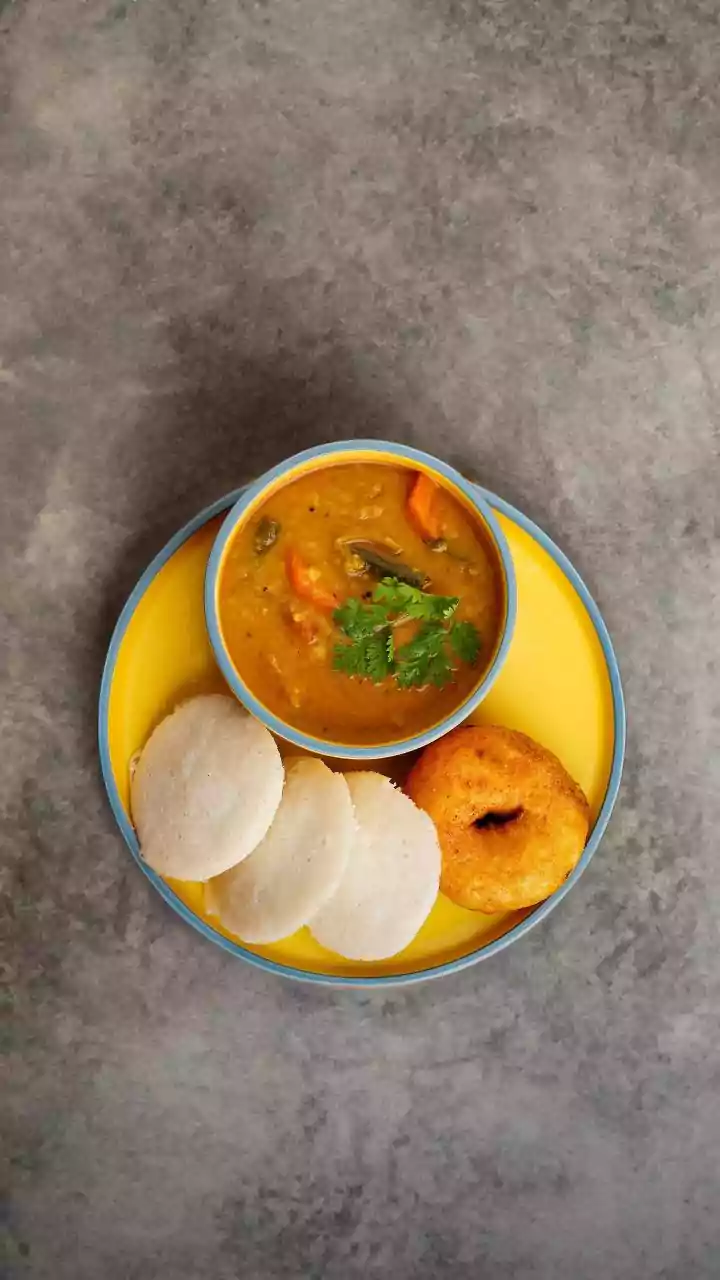
Instead of getting lost in imprecise calorie counts, a more effective strategy is to focus on visual portion control. Dietitians often recommend the 'plate method' for its simplicity and effectiveness. For a balanced Indian meal, imagine your plate divided into sections: Fill half of your plate with vegetables (sabzi). This could be a dry stir-fry, a light curry, or a generous salad. These are packed with fibre and nutrients, and are low in calories. Dedicate a quarter of your plate to a protein source. This is your dal, sambar, chana masala, rajma, paneer, or lean meat. Protein is crucial for satiety, helping you feel full for longer. The final quarter is for carbohydrates. This includes a small serving of rice (preferably brown or millets) or 1-2 whole wheat rotis.
Smart Swaps in the Indian Kitchen
Small changes in your cooking habits can make a huge difference without sacrificing flavour. One of the biggest sources of hidden calories is cooking oil. Measure your oil with a spoon instead of free-pouring to control the amount. Opt for healthier cooking methods like grilling, baking, air-frying, or steaming over deep-frying. For example, choose tandoori items over creamy kormas. Increase the amount of vegetables in your favourite dishes; you can add spinach to your dal or extra vegetables to your biryani. Finally, choose whole grains like whole wheat atta, brown rice, and millets, which are rich in fibre and keep you fuller for longer.
Decoding Packaged Food Labels
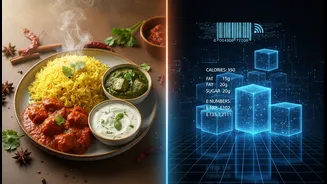
Navigating the supermarket aisle is another challenge. With new regulations from the Food Safety and Standards Authority of India (FSSAI), understanding labels is becoming easier but still requires attention. By 2026, many rules around front-of-pack labelling will be mandatory, highlighting products high in fat, sugar, and salt. When reading the nutritional information, pay close attention to the serving size, as it's often smaller than what one might consume. Look for 'added sugar' and 'saturated fat' values. Be wary of marketing terms like "health drink," a term FSSAI has banned on certain beverages, as they can be misleading. Always check the full ingredient list, which is ordered by weight.