


The Enduring Appeal of Natural Wood
The power of wood in interior design goes beyond aesthetics; it has a proven psychological impact. Studies have shown that the presence of natural elements like wood can reduce stress, lower blood pressure, and create a calming atmosphere. The material's
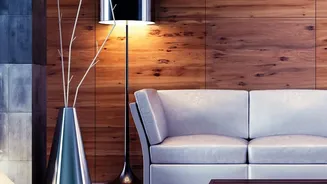
natural grain, unique imperfections, and warm tones bring a sense of the outdoors in, making a space feel both honest and inviting. This connection to nature is the very essence of rustic design, which prioritises authenticity and celebrates materials in their raw, organic state. It’s a style that feels lived-in and enduring, offering a welcome contrast to sleek, manufactured finishes.
Start with a Statement Piece
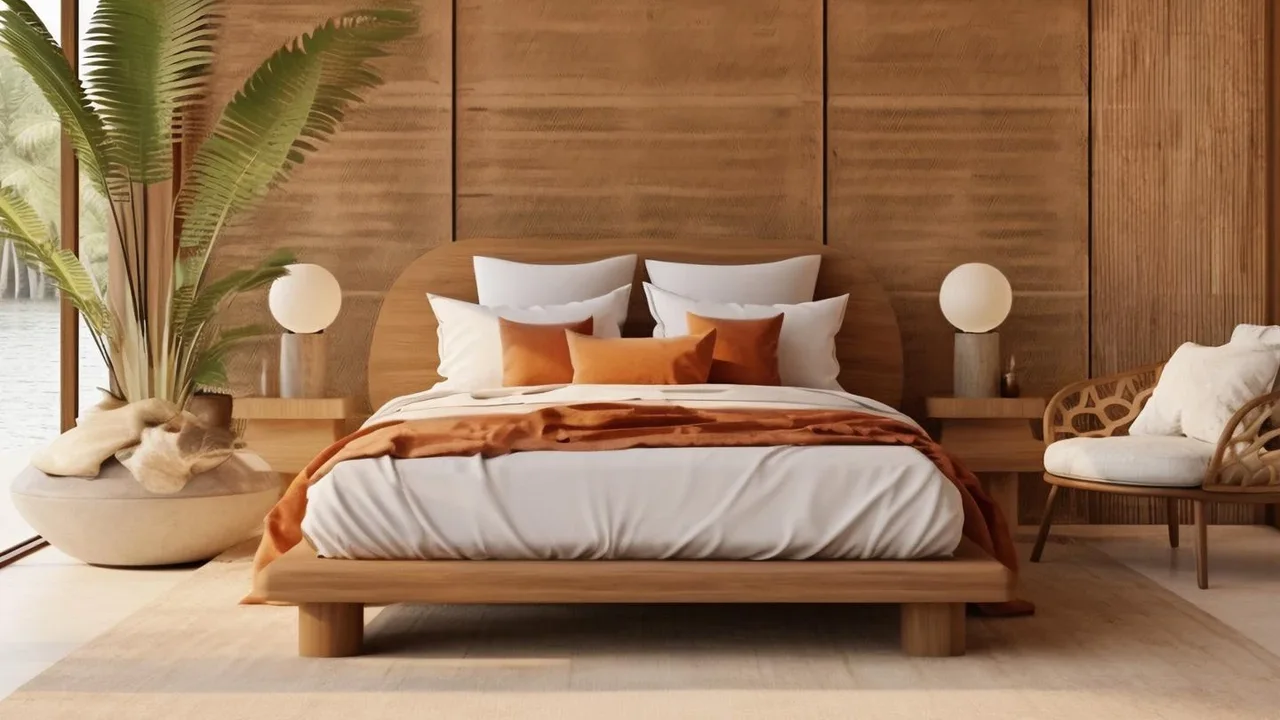
The easiest way to introduce rustic charm is to anchor your room with a significant piece of wooden furniture. This could be a solid wood dining table that gathers the family, a reclaimed wood coffee table that serves as a living room centrepiece, or a sturdy bed frame with a distressed finish. This single item sets the tone for the entire space. Don't worry about perfection; rustic design celebrates character. A table with a visible grain, a knot, or a weathered surface tells a story and adds a layer of personality that brand-new items often lack.
Layer with Smaller Wooden Accents
Once you have your anchor, layering in smaller wooden items creates a cohesive and intentional look. Think about functional decor that adds rustic texture. This could include beautifully grained cutting boards displayed in the kitchen, a set of wooden picture frames for a gallery wall, or a simple wooden ladder used to display soft throws in a bedroom. Even small touches like a hand-carved fruit bowl, a driftwood centrepiece, or wooden crate shelving can infuse a room with personality and warmth. These accents help to repeat the wood element throughout the space, making the design feel complete.
The Art of Mixing Wood Tones
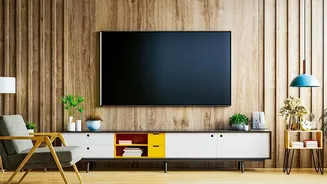
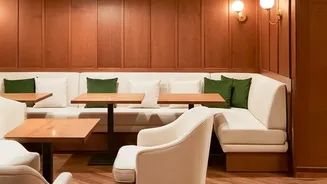
A common fear is that different wood tones will clash, but mixing them is key to a rich, curated look. A simple rule is to first identify the dominant wood tone in your space, which is often the flooring. Then, choose complementary woods. The key is to match the undertones—most woods have either warm (yellow, orange, red) or cool (grey, blue) undertones. As long as the undertones are consistent, you can confidently mix light, medium, and dark woods to create contrast and depth. To ensure the mix feels intentional, try to repeat each wood tone at least twice in the room, even with a small item like a picture frame or decorative bowl.
Balance Wood with Other Textures
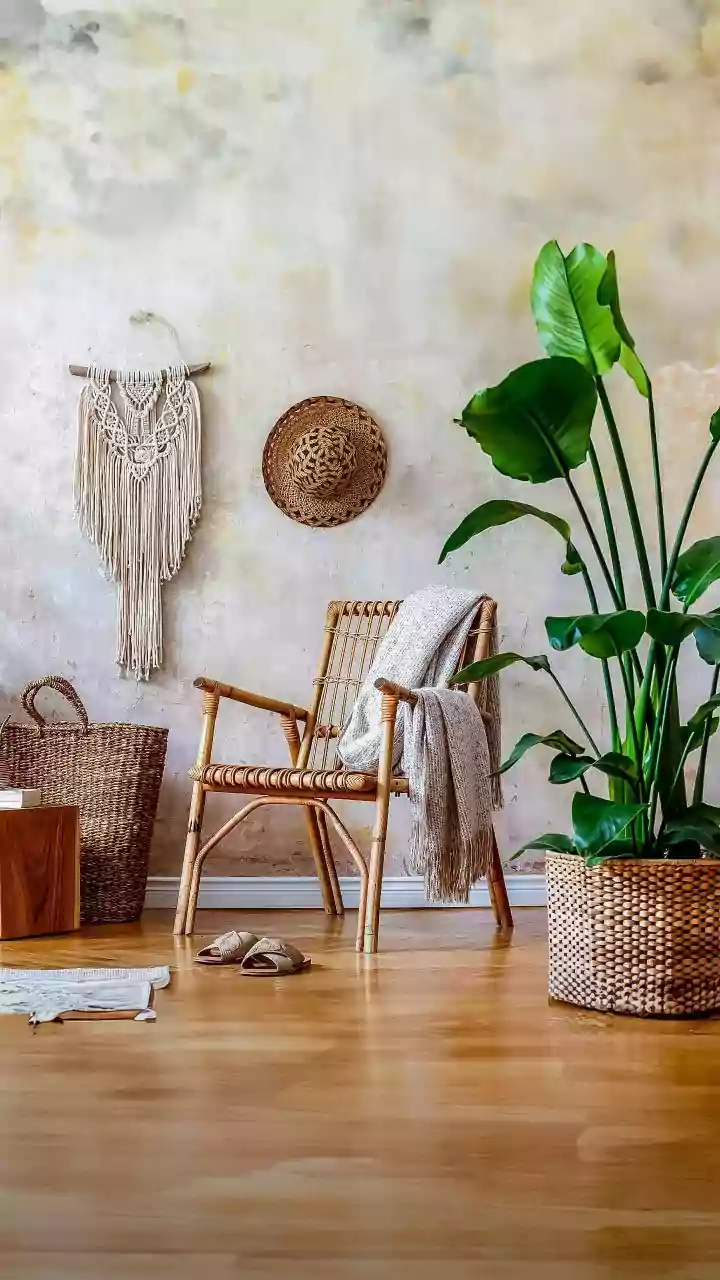
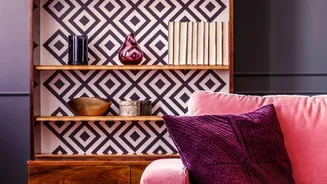
While wood is the star of rustic design, it shines brightest when paired with other natural materials. Balance the hardness of wood with soft, cosy textiles like wool, linen, and cotton. Chunky knit blankets, jute rugs, and plush cushions add warmth and prevent the space from feeling too rigid. Incorporating other organic materials like stone, clay, and leather further enhances the earthy feel. A stone fireplace, terracotta pots, or aged leather armchairs are classic pairings. Don't shy away from metal accents, either; wrought iron or matte black fixtures can provide an elegant, modern contrast to the ruggedness of the wood.