

The Salt-Powered Alternative to Lithium
For years, the electric vehicle revolution has run on lithium-ion batteries. While powerful, they rely on materials like lithium and cobalt, which are expensive, geographically concentrated, and subject to volatile prices. This directly impacts the cost
of an EV, keeping it out of reach for many. Enter the sodium-ion battery. As the name suggests, it uses sodium—an element over 400 times more abundant than lithium—as its primary charge carrier. The basic raw material is not niche or rare; it's a core component of common salt, found plentifully across the globe, including India. This fundamental difference in material sourcing is the main driver behind its potential to be significantly cheaper than its lithium-based counterparts, potentially reducing battery costs by 30-40% at scale.
Breakthroughs Unlocking Potential
For a long time, sodium-ion batteries were held back by lower energy density—meaning they were heavier and bulkier for the same amount of power—and shorter lifespans. However, recent advancements have begun to close this gap. Global battery giant CATL announced that its mass-produced 'Naxtra' sodium-ion cells have reached an energy density of up to 175 Wh/kg. While this is still below high-end lithium-ion batteries, it is competitive with the widely used and more affordable Lithium Iron Phosphate (LFP) chemistry. These improvements mean that an EV equipped with modern sodium-ion batteries could achieve a practical range of over 400 km, with future generations targeting up to 600 km as the technology and supply chains mature.
Performance in Indian Conditions
Beyond cost, sodium-ion technology offers other compelling advantages, particularly for a market like India. One of its standout features is superior performance in extreme temperatures. These batteries retain over 85% of their capacity in freezing conditions and are more stable in intense heat compared to many lithium-ion variants, a crucial factor for India's climate. They also demonstrate excellent safety characteristics, with a lower risk of thermal runaway and fire. Furthermore, recent developments show impressive fast-charging capabilities, with some lab prototypes able to charge significantly in minutes, and commercial cells charging to 90% in just 15 minutes. These traits make them an ideal fit for city cars, electric two-wheelers, and e-rickshaws, which form the backbone of India's EV ambitions.
Who Is Making It Happen?
The race to commercialise sodium-ion technology is well underway, with Chinese firms like CATL and BYD leading the charge. In early 2026, CATL, in partnership with automaker Changan, launched the world's first mass-production passenger vehicle powered by a sodium-ion battery. This signals that the technology is moving from the lab to the showroom. Closer to home, Reliance New Energy has made a significant move by acquiring Faradion, a leading UK-based sodium-ion technology company. Reliance plans to leverage this technology at its upcoming gigafactory in Jamnagar, aiming to fast-track commercialisation and build an end-to-end manufacturing ecosystem in India. This strategic investment aligns with the 'Atmanirbhar Bharat' mission, aiming to reduce India's dependency on imported battery components and establish energy self-reliance.
The Road to Cheaper EVs in India
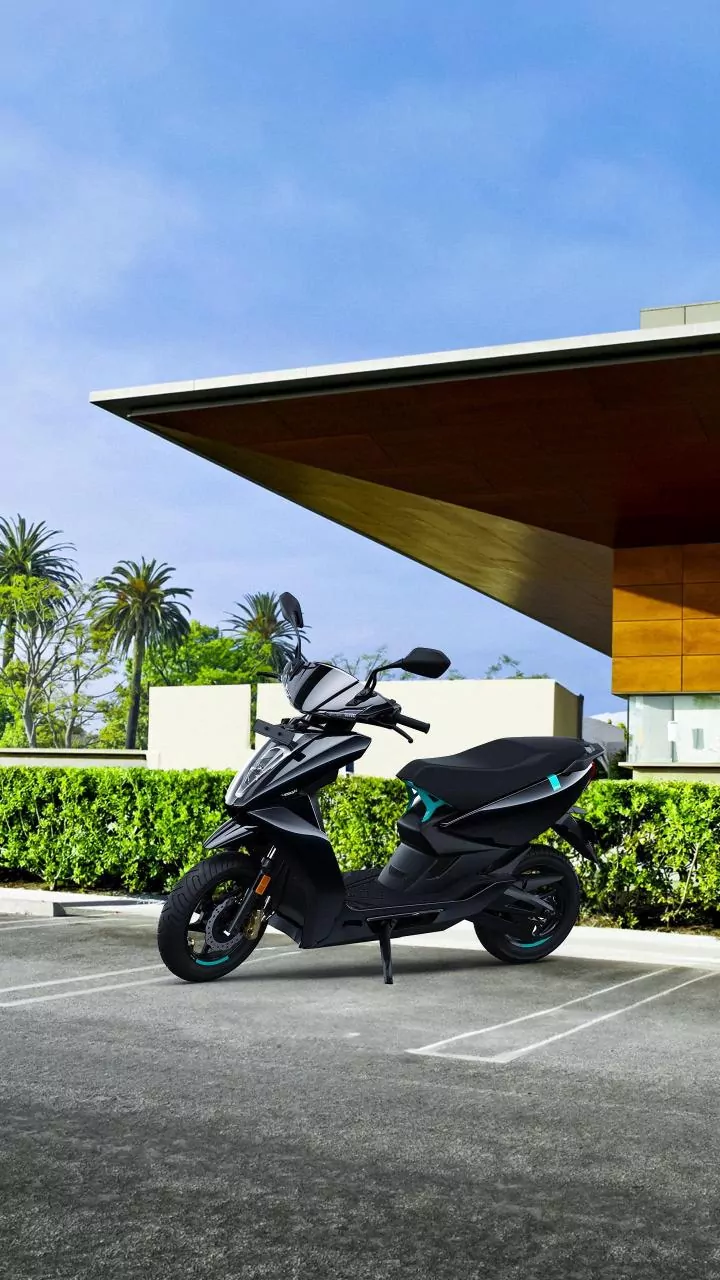
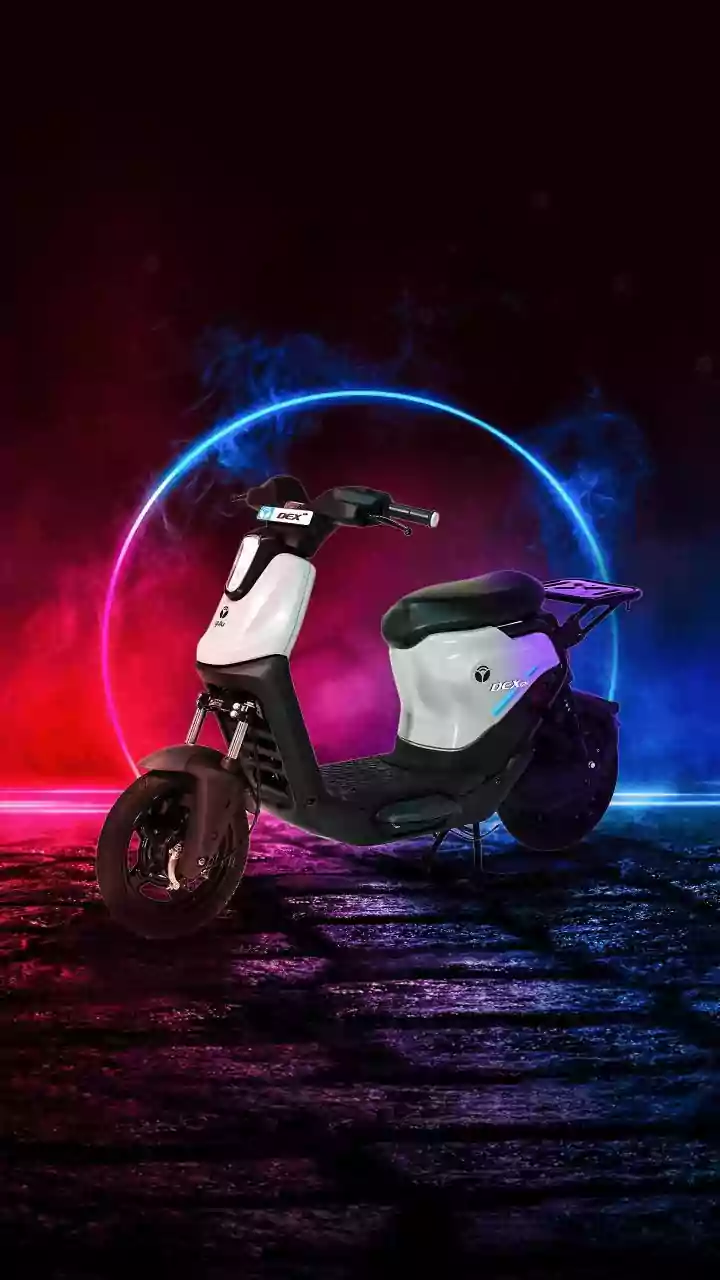
While the promise is immense, widespread adoption won't happen overnight. Initially, sodium-ion batteries may not replace lithium-ion entirely but will coexist as a complementary technology. They are likely to first appear in smaller, more cost-sensitive vehicles where extreme range is not the top priority. Some manufacturers are even exploring hybrid packs that combine the fast-charging benefits of sodium-ion with the high energy density of lithium-ion cells. As manufacturing scales up and supply chains mature, the cost benefits will become more pronounced. Experts predict that full mass production from key players like CATL will begin in 2026, which means we could start seeing more affordable sodium-ion powered EVs on Indian roads within the next few years.