




The quest for a perfectly strong cup of coffee is a daily ritual for many. While we often focus on the beans, one of the most powerful tools at our disposal is time. But how long should your coffee brew, and what's the difference between methods?
What 'Coffee Strength' Really Means
Before
we manipulate time, it's crucial to understand what 'strength' is. It’s not just about the caffeine kick. In coffee terms, strength refers to the concentration of dissolved coffee solids in the water. A higher concentration means a 'stronger' tasting cup. This is achieved through a process called extraction, where water dissolves flavour compounds like acids, sugars, and oils from the coffee grounds. The goal is balanced extraction—pulling out enough of the good stuff (sweetness and nuanced flavours) without getting too much of the bad (bitterness and harshness). Time is one of your main controls for steering this process.
The Golden Rule: Time and Extraction
Generally, the longer water is in contact with coffee grounds, the more extraction occurs, and the stronger the resulting brew will be. However, there’s a critical tipping point. Brew for too short a time, and you get under-extracted coffee, which often tastes sour, thin, or salty. Brew for too long, and you risk over-extraction, where unpleasant, bitter, and drying flavours dominate the cup. The perfect brew time creates a strong but balanced cup, capturing the coffee's sweetness before bitterness takes over. It’s important to remember that caffeine is extracted very early in the process, so a longer brew time doesn’t dramatically increase the caffeine content, but it profoundly impacts flavour.
Taming the Moka Pot
A Moka pot creates a concentrated, espresso-style brew using steam pressure to force water up through the coffee grounds. Total time from a cold start can be 5-7 minutes, but the active brewing phase is much shorter. With a Moka pot, you don't control time directly with a timer, but indirectly through heat management and grind size. Excessive heat is the most common cause of a bitter, burnt-tasting Moka pot brew. Using a medium-low heat setting allows for a gentle, steady flow of coffee into the upper chamber. For a less bitter cup, many experts suggest starting with pre-boiled water in the base, which shortens the total time the grounds are exposed to heat. Your cue to stop is when the stream becomes pale and starts to sputter; letting it gurgle on the heat is the fastest way to over-extraction.
Dialing in Your Drip Coffee Maker
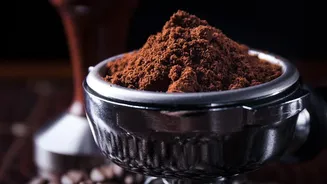
For automatic drip coffee makers, the ideal contact time between water and grounds is typically between 4 and 8 minutes, with many machines programmed for a 5-6 minute cycle. If your brew finishes much faster, it might result in weak, under-extracted coffee. If it takes too long, bitterness can creep in. While you can't usually adjust the machine's internal timer, you can influence the brew time. The primary lever is grind size. A finer grind will slow the flow of water, increasing contact time and leading to a stronger brew. A coarser grind allows water to pass through more quickly, resulting in a milder cup. If your coffee tastes weak, try adjusting your grinder one step finer before adding more coffee grounds.
It's Not Just About Time
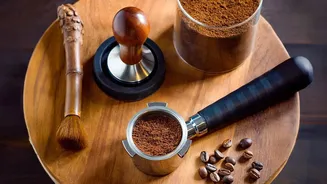
While brew time is a key variable, it works in partnership with others. The coffee-to-water ratio is fundamental; for a stronger cup, the simplest change is often to use slightly more coffee for the same amount of water. Grind size and brew time are deeply linked—finer grinds extract faster and require shorter times, while coarser grinds need longer. Water temperature also plays a role, with the ideal range being 90–96°C for optimal extraction. The best approach is to change only one variable at a time. If your coffee is sour, try extending the brew time or grinding finer. If it's bitter, try shortening the time or grinding coarser. This methodical approach is the secret to moving from guesswork to consistently great coffee.