
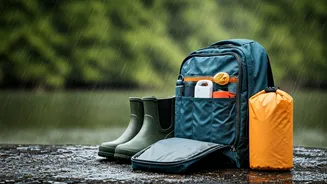



The Truly Waterproof Backpack
There’s a significant difference between a water-resistant bag and a truly waterproof one. While the former might handle a light drizzle, a proper Indian downpour requires a bag that can keep your laptop, documents, and other electronics completely dry.
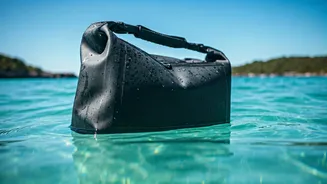
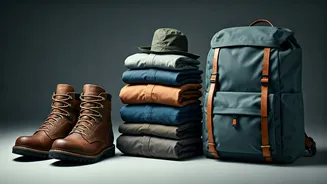
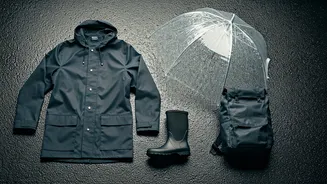
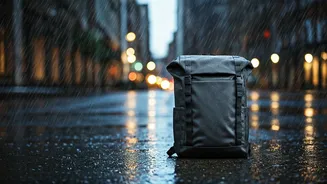
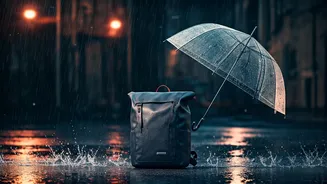
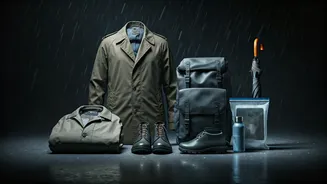
Look for backpacks made from materials like PVC or coated nylon with sealed or welded seams. [9, 10, 12] Roll-top designs are particularly effective at creating a watertight seal, ensuring that no moisture seeps in, even during a heavy storm. Some bags also come with a dedicated rain cover, which provides an extra layer of protection. [29] Investing in a reliable waterproof bag means you no longer have to worry about your valuables every time you step out in the rain. [22]
A Raincoat That Breathes
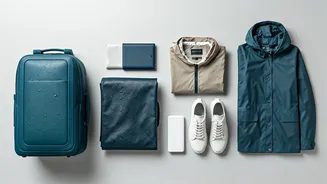
The problem with many old-school raincoats is that they trap heat and sweat, leaving you feeling damp from the inside. Modern rain jackets and ponchos are designed to be both waterproof and breathable. [13, 25] Look for jackets with adjustable hoods and cuffs to seal out rain, and vents to allow for air circulation. For those who ride two-wheelers, a full rain suit or a long poncho offers comprehensive coverage that a simple jacket cannot. [26] Many of these are lightweight and can be packed into a small pouch, making them easy to carry in your bag for unexpected showers. [21]
Smart Footwear Choices
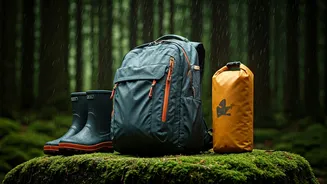
Nothing ruins a day quite like soggy socks and squelching shoes. The right footwear is crucial for monsoon commutes. While gumboots offer excellent protection, they can be bulky for everyday office wear. [25] A more practical solution for many is footwear made from quick-drying materials or waterproof synthetics like rubber, EVA, or PVC. [14, 28] Clogs and waterproof sandals are popular choices because they don't retain water and offer good ventilation. [28] For those who prefer a closed-shoe style, look for options with anti-slip soles to safely navigate slippery pavements and waterlogged streets. [31] It's also a wise habit to keep a spare pair of dry socks at your workplace. [8]
A Wind-Resistant Umbrella
A flimsy umbrella that flips inside out at the first gust of wind is more frustrating than helpful. Investing in a sturdy, wind-resistant umbrella can make a world of difference. Key features to look for include a strong frame, often made with flexible fiberglass ribs, and a vented or double-canopy design. [2, 3] This allows wind to pass through, reducing the pressure that causes the umbrella to invert. [3] A compact, foldable model with an automatic open-and-close mechanism is especially convenient for navigating crowded public transport. [18] While it might cost a bit more upfront, a durable umbrella is a reliable companion that will last you through many monsoon seasons. [7]
Protection For Your Electronics
Our smartphones, chargers, and earphones are often the most vulnerable items during a rainy commute. A simple and effective solution is to use waterproof pouches or dry bags. [9, 22] These are available in various sizes and can keep your gadgets safe from water damage. For a budget-friendly alternative, heavy-duty zip-lock bags can also do the trick in a pinch. [18] Some people even create a small 'monsoon kit' within their main bag, containing a waterproof pouch for their phone and a power bank, as batteries can sometimes drain faster in colder, damp weather. [16, 18]
The Often-Forgotten Extras
A few small items can significantly improve your comfort. A quick-dry microfiber towel is compact, highly absorbent, and can be used to wipe down your face, hands, or even a wet seat on the bus. [4, 8] It dries much faster than a standard cotton towel, preventing any musty smells in your bag. Another simple but effective habit is to carry a few extra plastic bags to store a wet umbrella or damp clothes, keeping them separate from the dry items in your backpack. [4] These small preparations can make the transition from a wet outdoors to a dry indoors much smoother.