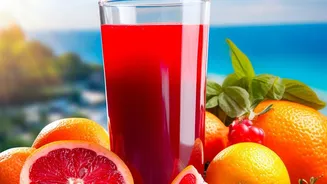

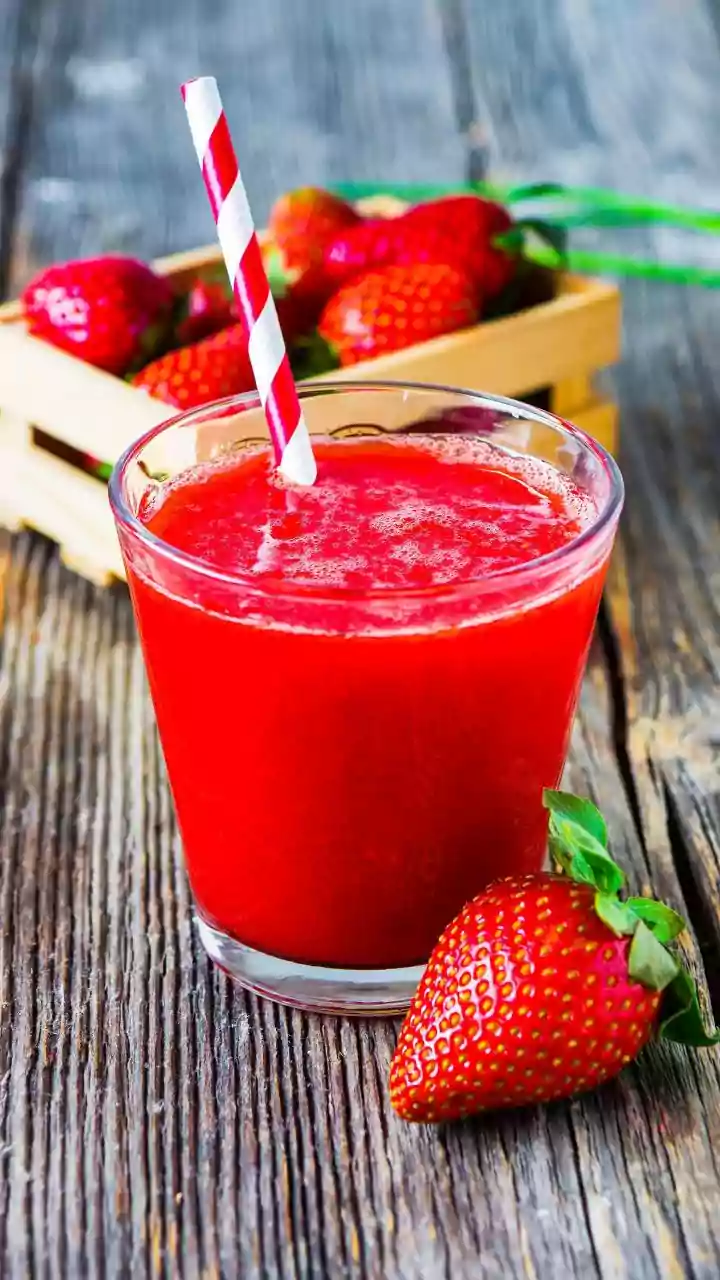

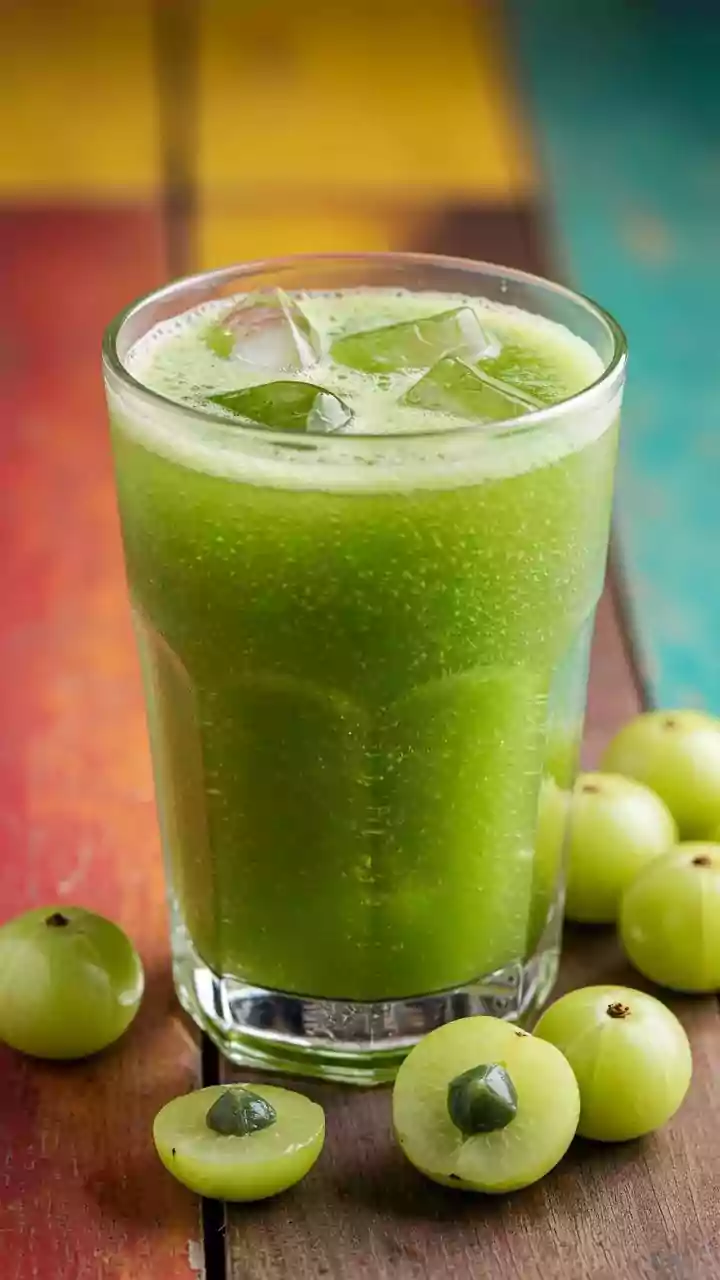



The Core Difference: What Juicing Removes
When you eat a whole fruit, you consume everything—the flesh, the skin, and most importantly, the fiber. Fiber is a crucial nutrient that most of us don't get enough of. It aids digestion, helps you feel full, and plays a vital role in regulating how
your body absorbs sugar. The process of juicing, however, separates the liquid from the fibrous pulp and skin. This means that even 100% fresh juice has lost most of the beneficial fiber that was in the original fruit. While the juice still contains vitamins and minerals, it's a fundamentally different product than the whole fruit it came from.
A Concentrated Hit of Sugar
Without fiber to slow things down, the natural sugars in fruit juice are absorbed very quickly by your body. The World Health Organization classifies the sugars in fruit juice as 'free sugars,' the same category as table sugar. This rapid absorption can cause a sharp spike in your blood sugar levels, followed by a crash, which can leave you feeling hungry again sooner. It's also easy to consume much more sugar from juice than you would from whole fruit. Think about it: you can drink the juice of three or four oranges in a minute, but eating four whole oranges in one sitting is a much bigger task. This concentration of sugar is why studies have linked higher fruit juice consumption to an increased risk of type 2 diabetes, while eating whole fruits is linked to a lower risk.
Whole Fruit: The Superior Nutritional Package
Eating the entire fruit provides a complete package of nutrients working in synergy. The fiber not only slows sugar absorption but also feeds the healthy bacteria in your gut, contributing to overall digestive health. The physical act of chewing and the bulk from the fiber also contribute to satiety, meaning you feel fuller for longer and are less likely to overeat. Many important vitamins and powerful antioxidants are also found in the skin and pulp of fruits, which are often discarded during juicing. From blood sugar control to feeling satisfied after eating, whole fruit consistently comes out on top.
Debunking the 'Detox' and 'Cure' Myth
Many companies promote juice 'cleanses' with dramatic claims about flushing toxins from your body. However, there is no scientific evidence to support these assertions. Your body has a highly efficient, built-in detoxification system: your liver and kidneys work around the clock to filter waste and harmful substances. No juice or special diet has been proven to enhance this natural process. The side effects often associated with juice cleanses, like headaches and fatigue, are typically due to severe calorie restriction, not the body purging toxins. Any weight lost is usually water and muscle, which is quickly regained once a normal diet is resumed.
Is There Ever a Place for Juice?
This doesn't mean you must banish juice forever. A small glass (around 150ml) of 100% fruit juice can be a convenient way to get a dose of vitamins and can be part of a balanced diet. For individuals who have difficulty chewing or absorbing nutrients from whole foods, juice can occasionally be a useful option. The key is to view it as a supplement or an occasional treat, not as a replacement for whole fruits. When you do have juice, consider having it with a meal that contains protein or fat to help slow down sugar absorption.