




The New Connections
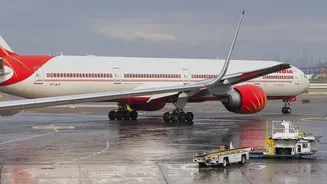
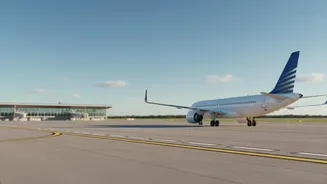
Starting September 1, Air India Express will introduce direct, non-stop flights from Madurai to three of India's most crucial metropolitan hubs: Chennai, Mumbai, and Delhi. This move significantly enhances the city's domestic network, which, despite its
international status, has relied heavily on connections through other airports for travel to major northern and western Indian destinations. The new services will deploy aircraft with over 180 economy seats, a substantial increase in capacity compared to some existing services. This expansion is expected to not only provide more travel options but also introduce competitive pricing on these high-demand routes. Bookings for these much-anticipated flights have already commenced, signaling a new era of accessibility for Madurai.
A Boon for Travellers
For frequent flyers, tourists, and business professionals, these direct routes are a game-changer. The elimination of layovers, particularly for travel to Delhi and Mumbai, will drastically cut down travel time and complexity. Previously, many travellers had to rely on one-stop services, often with long waits and higher premium fares. The introduction of low-cost, high-capacity flights is poised to make air travel more affordable and accessible. This is especially true for the Madurai-Chennai sector, a route that has often seen fares spike during peak seasons and festivals. More competition and a greater number of available seats should help stabilise prices, making it easier for families, pilgrims, and businesspeople to plan their journeys without the stress of exorbitant last-minute fares.
Fueling the Economic Engine
Enhanced connectivity is a powerful catalyst for economic growth, and Madurai is perfectly positioned to benefit. The new routes will provide a vital link for the region's industries, including textiles, agriculture, and manufacturing, connecting them more efficiently to national markets and trade hubs in Mumbai and Delhi. This facilitates not just the movement of people, but also goods. As the airport's cargo handling capacity grows, direct access to major economic centres will open up new opportunities for local exporters. Furthermore, the ease of travel is expected to attract more business investment to southern Tamil Nadu, with Madurai serving as an increasingly convenient and strategic base of operations.
Boosting Tourism and Pilgrimage
Madurai, the city famed for the Meenakshi Amman Temple, is a global magnet for pilgrims and cultural tourists. While it already draws millions of visitors, improved accessibility will undoubtedly amplify its appeal. The new direct flights from Delhi and Mumbai make it significantly easier for domestic tourists from across North and West India to visit. Moreover, these metro airports are major international gateways. This means international tourists arriving in India can now connect to Madurai more seamlessly, encouraging them to include the historic city in their itineraries. This influx is expected to provide a substantial boost to the entire regional ecosystem, including hotels, transport services, and local artisans who depend on tourism.
Madurai's Ascent as a Tier-2 Hub
This network expansion is part of a larger story of Madurai's emergence as a key Tier-2 city in India's aviation map. The airport was recently granted full international status in March 2026, a long-standing demand fulfilled to recognize its potential. While land acquisition challenges have slowed some long-term expansion plans like runway extension, interim measures to increase terminal capacity are underway. Air India Express has also indicated plans for further expansion from Madurai by early 2027, potentially including a new route to Bengaluru and an international service to a Gulf destination. These developments, combined with the new routes to major metros, solidify Madurai's role as a vital gateway to southern Tamil Nadu, reducing pressure on larger airports and driving balanced regional growth.