

The Nutritional Showdown
Contrary to popular belief, 'fresh' isn't always nutritionally superior. Fresh peas lose nutrients, like vitamin C, quickly after being harvested. Unless you're getting them directly from a garden or farmer's market and eating them the same day, their
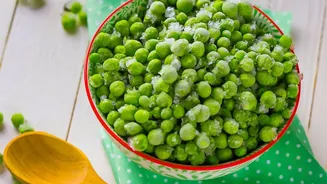
nutritional value starts to decline. Frozen peas, on the other hand, are typically harvested at their peak ripeness and then flash-frozen within hours. This rapid freezing process, which involves blanching the peas before freezing them at extremely low temperatures, locks in vitamins and minerals effectively. As a result, frozen peas often retain a higher and more consistent nutrient profile than fresh peas that have been transported and stored for several days. Both are excellent sources of protein, fibre, and vitamins, but frozen peas often have the edge in nutrient preservation.
Flavour and Texture Face-Off
Here's where the decision becomes more about the specific dish you're making. Truly fresh, just-picked peas have an unmatched sweet, delicate flavour and a crisp, snappy texture that is delightful raw or lightly cooked. However, this peak freshness is fleeting. As fresh peas age, their sugars convert to starch, leading to a mealier, less sweet taste. Frozen peas, because they are frozen at their prime, often taste sweeter and more tender than the 'fresh' peas available in many supermarkets. The flash-freezing process creates tiny ice crystals that don't rupture the pea's cell walls, helping to maintain a firm texture when cooked correctly. Overcooking is the enemy of both; it will turn either type mushy.
Convenience, Cost, and Availability
In terms of practicality, frozen peas are the clear winner. They are available year-round, have a long shelf life, and require no shelling, making them a convenient staple for quick weeknight meals. Fresh peas are seasonal, typically available from late spring to early summer, and can be more expensive. They are also highly perishable and should be used within a couple of days of purchase to enjoy them at their best. The process of shelling fresh peas can also be time-consuming, though some find it a meditative kitchen task.
When to Choose Fresh Peas
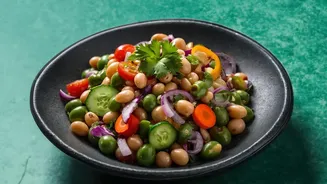
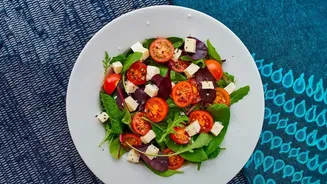
Reserve fresh, in-season peas for recipes where their crisp texture and sweet, green flavour can be the star. Think of dishes that require minimal cooking. A spring pea salad, perhaps with mint and feta, is a perfect application. Tossing them into a pasta or risotto at the very end of cooking preserves their pop. They can also be blanched for just a minute and served simply with butter and salt, or even eaten raw as a snack, straight from the pod. Use them where their unique, delicate character can shine through without being masked by heavy sauces or prolonged cooking.
When Frozen Peas Are Your Hero
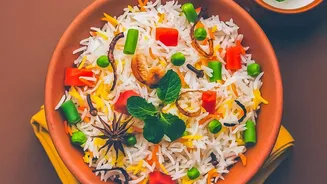
Frozen peas are incredibly versatile and work well in a huge variety of cooked dishes. Because they have already been blanched, they cook very quickly. They are the ideal choice for adding to soups, stews, pot pies, and curries, where they can be stirred in during the last few minutes of cooking. They are also perfect for making creamy pea purées, dips like pea hummus, or being mixed into fried rice or pasta dishes like a classic carbonara. Their reliability in taste and texture makes them a dependable ingredient for countless recipes where convenience and consistency are key.