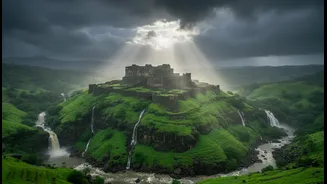



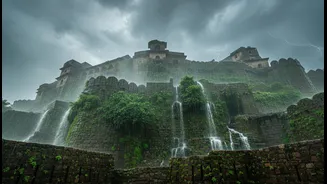


Lohagad Fort, Maharashtra: The Iron Fort in the Clouds
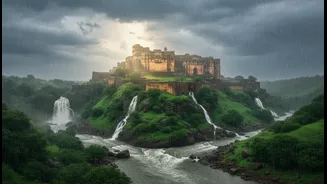
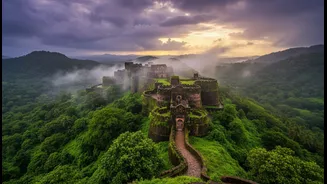
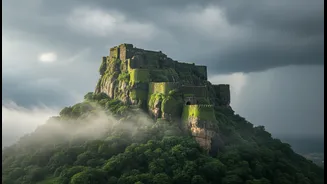
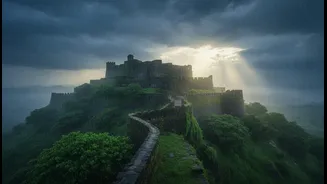
Aptly named the 'Iron Fort', Lohagad is a classic monsoon trek near Lonavala and a favourite for adventurers from Mumbai and Pune. This 18th-century fortress, once a prized possession of Chhatrapati Shivaji Maharaj, becomes a paradise during the rains.
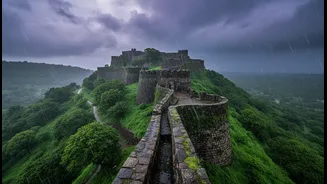
The trek is considered easy and beginner-friendly, winding through paths that turn into small, gushing waterfalls. As you ascend, you walk through the clouds, with mist wrapping around the historic gates and ramparts. The highlight is the 'Vinchu Kata' or Scorpion's Tail, a long, narrow spur that offers breathtaking, albeit dizzying, views of the green valley and Pawna Lake below. The experience is multisensory: the cool spray of water, the vibrant green carpeting the Sahyadri hills, and the taste of hot snacks from local stalls at the top make it an unforgettable journey.
Kumbhalgarh Fort, Rajasthan: A Green Oasis in the Aravallis
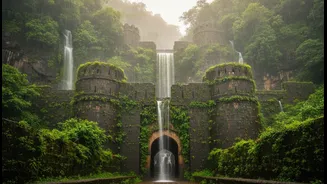
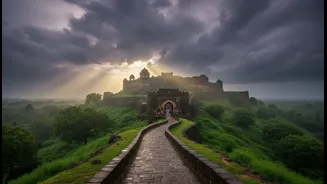
When you think of Rajasthan, you might picture arid deserts, but the monsoon tells a different story, especially at Kumbhalgarh. This UNESCO World Heritage Site, birthplace of Maharana Pratap, boasts the second-longest wall in the world. During the rains from July to September, the Aravalli Hills surrounding the fort shed their brown cloak for a lush, emerald green one. The fortress, which can seem austere in summer, takes on a magical, tranquil quality as mist swirls around its majestic gates and palaces. With fewer tourists, you can explore its grandeur in peace. The cooler temperatures make it ideal for discovering the fort's intricate temples and the famous Badal Mahal, or 'Palace of Clouds', which truly lives up to its name in the monsoon.
Mandu, Madhya Pradesh: The City of Joy's Monsoon Romance
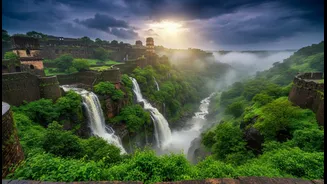
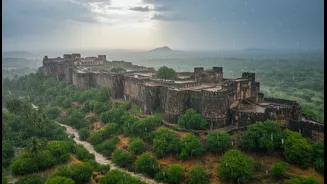
Mandu's association with the monsoon is legendary. This fortress city, perched on the Vindhya Range, was so beloved for its rainy-season beauty that Emperor Jahangir called it 'Shadiabad' or the 'City of Joy'. Mandu is not just a single fort but a sprawling collection of palaces, tombs, and mosques that come alive with the rains. The romance of the city is immortalised in the tale of Sultan Baz Bahadur and his consort, Rani Roopmati. You can visit Roopmati's Pavilion, from where she would gaze at the sacred Narmada River, and Baz Bahadur's Palace. The famous Jahaz Mahal, or Ship Palace, built between two artificial lakes, creates the illusion of a ship floating on water, a sight made even more spectacular during the monsoon.
Rajmachi Fort, Maharashtra: Twin Forts and Forest Trails
Nestled between Lonavala and Karjat, Rajmachi offers a unique dual-fort experience, comprising Shrivardhan and Manaranjan forts. It's a beloved trek that combines history with deep forest walks. During the monsoon, the journey is as beautiful as the destination, with the path becoming a lush corridor filled with waterfalls and streams. The base village of Udhewadi, a rare farming settlement within a fort's boundaries, offers an authentic rural experience. From the forts, trekkers are rewarded with panoramic views of the Sahyadris and the magnificent Kataldhar Waterfall roaring in the distance. While the trek can be demanding due to muddy trails, the stunning scenery and historical significance make it a classic monsoon adventure.
Chapora Fort, Goa: Coastal Drama and Cinematic Views
Made famous by the film 'Dil Chahta Hai', Chapora Fort offers a different kind of monsoon magic. Perched on a hill overlooking the Chapora River and the Arabian Sea, this fort provides dramatic coastal views that are amplified by stormy monsoon skies. The ruins of this 18th-century Portuguese structure, with their dark, rain-soaked laterite walls, stand in stark contrast to the vibrant green hillsides. While the climb can be slippery, visiting on a clear morning after a rain shower rewards you with misty, sun-dappled views and fewer crowds. It's a perfect spot to watch the powerful waves crash against Vagator Beach and feel the history of a strategic coastal sentinel come to life.