





As the nights draw in, our bodies crave warm, comforting meals. But 'comfort food' doesn't have to mean unhealthy. Nutrition experts highlight ingredients that satisfy cravings while nourishing you through the colder months.
1. Hearty Root Vegetables
When the temperature drops,
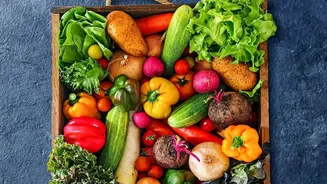
the produce section shifts to a wonderful array of root vegetables. Carrots, sweet potatoes, turnips, and beets are at their peak. These vegetables are dense in nutrients like vitamins A and C, which are crucial for immune support during cold and flu season. They are also high in complex carbohydrates and fiber, providing a slow release of energy and helping you feel full and satisfied. Roasting them brings out their natural sweetness, creating a perfect base or side for any winter dinner.
2. Warming Soups and Stews
There is nothing quite like a warm bowl of soup or stew on a chilly evening. Broth-based soups are incredibly hydrating and can be a fantastic vehicle for a variety of nutrient-dense ingredients. By loading them with vegetables, legumes, and lean proteins, you create a balanced and deeply satisfying meal in one pot. Unlike cream-based versions, which can be heavy, a hearty vegetable or chicken soup offers comfort without the extra calories, warming you from the inside out.
3. Lean Proteins
Incorporating lean proteins into your winter meals is key for satiety and muscle maintenance. Choices like chicken, turkey, and fish, as well as plant-based options like lentils and beans, are essential. Fatty fish such as salmon is particularly beneficial in winter as it is a great source of vitamin D, a nutrient that can be harder to get with reduced sun exposure. Vitamin D plays a role in boosting mood and supporting the immune system. Protein helps keep you feeling full longer, reducing the urge to snack on less healthy options.
4. Complex Whole Grains
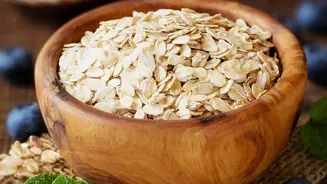
Move beyond refined white pasta and rice and embrace the nutty, satisfying world of whole grains. Oats, barley, quinoa, and brown rice are excellent sources of fiber and essential nutrients, including B vitamins which help your body convert food into energy. These grains provide a comforting, hearty texture to meals. They are perfect in stews, as a side dish, or forming the base of a nourishing grain bowl, and their high fiber content aids digestion and keeps you feeling satisfied.
5. Nutrient-Rich Legumes
Beans, lentils, and chickpeas are nutritional powerhouses that are perfect for winter cooking. They are an excellent source of plant-based protein, fiber, and important minerals like iron and magnesium. Their versatility is unmatched; they can be the star of a hearty chili, blended into a creamy soup, or added to stews and salads for an extra boost of nutrition and texture. Legumes help stabilize blood sugar and provide lasting energy, making them a smart and satisfying choice.
6. Dark Leafy Greens
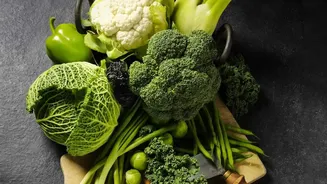
While we may associate them more with salads, winter greens like kale, spinach, and Swiss chard are incredibly resilient and nutritious. They are packed with vitamins A, C, and K, as well as iron and calcium. These greens can be easily wilted into soups, stews, and pasta dishes, adding a vibrant colour and a potent dose of antioxidants. They support your immune system and provide essential nutrients that can be lacking in other winter comfort foods.
7. Citrus Fruits
Winter is peak season for citrus fruits like oranges, grapefruits, and clementines. These bright, flavourful fruits are famously high in vitamin C, a powerful antioxidant that is essential for a healthy immune system and can even help boost your mood. While not a traditional 'dinner' food, incorporating citrus into your evening is easy. Use their juice and zest in marinades for chicken or fish, or add segments to a winter salad for a burst of freshness and colour.