



Understanding Autumn in Spiti
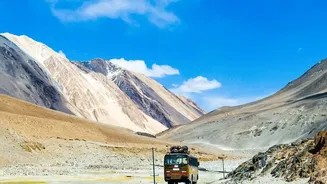
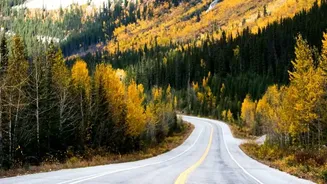
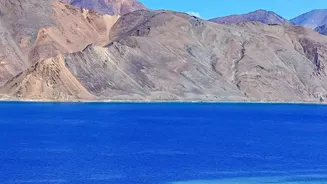
September and October transform Spiti. The post-monsoon air is exceptionally clear, and the landscape shifts from green to hues of gold and rust. Crowds thin out, offering a more serene experience. However, this is a transitional season. Daytime temperatures
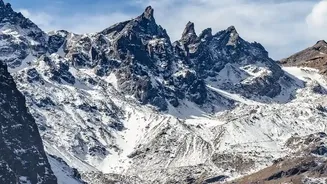
can be pleasant, around 12 to 18 degrees Celsius, but they drop sharply after sunset, often falling below freezing, especially at higher elevations like Chandratal Lake or Losar. By late September, the risk of snowfall on high passes like Kunzum La increases, which can lead to temporary road closures. Black ice becomes a genuine hazard on shaded parts of the road, particularly in the mornings. This season demands respect and careful planning.
Rule 1: Acclimatise to Avoid Altitude Sickness
Acute Mountain Sickness (AMS) is the single biggest risk to your health and trip. Spiti's average altitude is over 10,000 feet, with key areas like Kaza at 12,500 feet and passes like Kunzum La soaring to 15,000 feet. The golden rule is to ascend gradually. The Shimla-Kaza route is highly recommended over the Manali-Kaza route for this reason, as it allows your body to adjust over several days. Spend at least one night at a lower altitude like Kalpa (around 9,700 feet) before proceeding to Kaza. Once in Kaza, rest for the first day. Avoid rushing to high-altitude villages like Hikkim or Komic immediately. Hydrate aggressively by drinking 3-4 litres of water daily, eat light, high-carbohydrate meals, and avoid alcohol for the first few days, as it hinders acclimatisation. If you experience symptoms like a persistent headache, nausea, dizziness, or extreme fatigue, do not ascend further. If symptoms worsen, the only cure is to descend immediately.
Rule 2: Prepare Your Vehicle for the Terrain
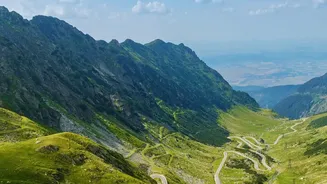
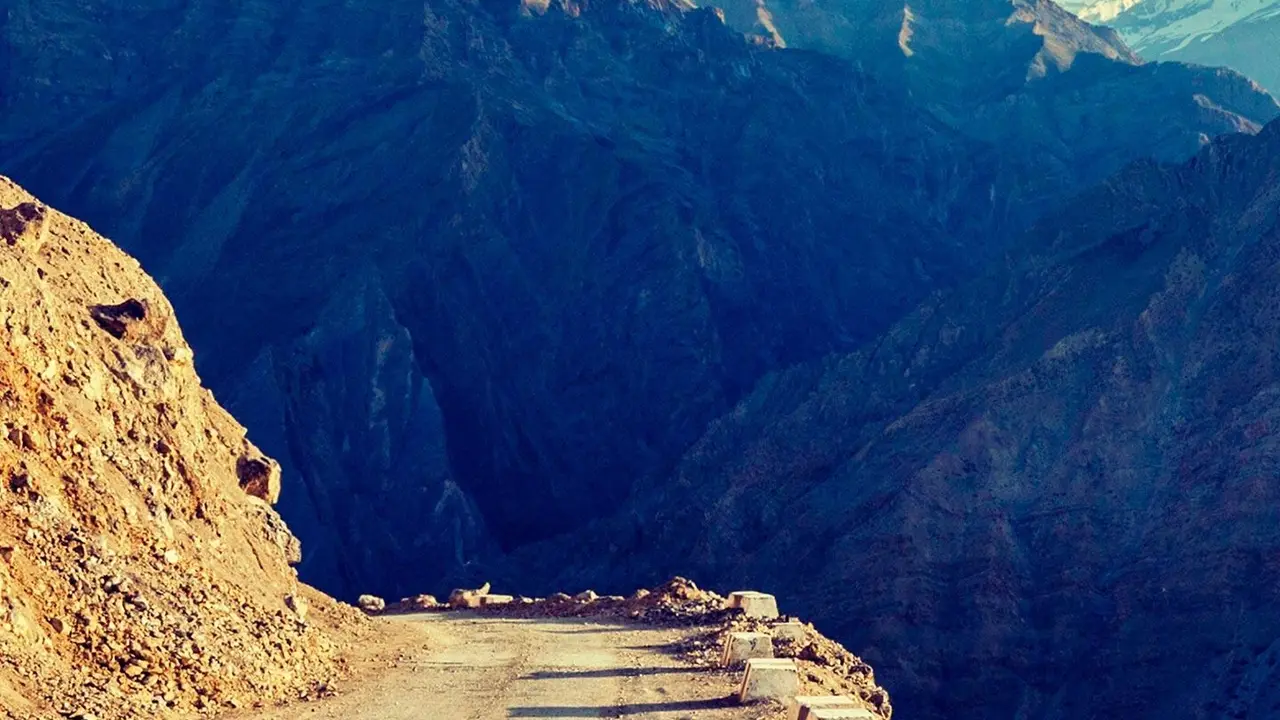
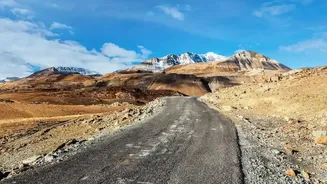
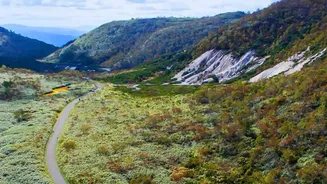
The roads in Spiti are a mix of paved stretches and treacherous gravel tracks, especially on the Manali-Kaza highway between Gramphu and Losar. Before you start, your vehicle needs a thorough check-up. Inspect your tyres for tread depth and consider All-Terrain (AT) tyres for better grip. Ensure your spare tyre is in good condition and you know how to change it. Check all fluids, especially engine oil and coolant with antifreeze. Brakes are critical for steep descents; get the brake pads and fluid checked and replaced if necessary. Because of the altitude, naturally aspirated engines lose significant power; be prepared for this on steep climbs. Carry a basic toolkit, a puncture repair kit, and a tyre inflator. Given the remoteness, hiring an experienced local driver who understands the terrain and vehicle behaviour at altitude is a very safe option.
Rule 3: Master the High Passes
The high passes are the gatekeepers to Spiti. Kunzum Pass (connecting Lahaul and Spiti) and Rohtang Pass (or the Atal Tunnel) are the main hurdles on the Manali side. In autumn, the window for crossing these passes can be narrow. Roads can close with little warning due to snowfall, especially from late September onwards. Always check the road status with local authorities or taxi unions in Kaza or Manali before starting your journey. Start your drives early in the day. This gives you ample daylight and helps avoid the increased water flow in streams from glacial melt in the afternoon. On the road, drive slowly, use lower gears for both ascents and descents to avoid straining the engine and overheating the brakes, and honk on blind turns.
Rule 4: Pack Smart and Carry Essentials
Packing for Spiti in autumn is about layering. You'll need thermals, fleece jackets, and a windproof and waterproof outer shell. Even if days feel warm, nights are freezing. Essential items include a warm hat, gloves, woollen socks, and sturdy walking shoes. Sun protection is non-negotiable—the sun at high altitude is harsh, so pack sunscreen (SPF 50+), sunglasses, and lip balm. Medical facilities are basic; carry a comprehensive first-aid kit with medicines for headache, fever, stomach issues, and any personal medications. For AMS, consult your doctor about carrying Diamox (Acetazolamide). With limited mobile connectivity (only BSNL and Jio work, and only in some towns), download offline maps. Carry a power bank, a flashlight, and enough cash, as ATMs are scarce and often out of service.
Rule 5: Check Your Paperwork
For Indian citizens, no special inner line permit is required to visit the main areas of Spiti Valley like Kaza, Tabo, and Dhankar. You will, however, need to carry a valid government-issued photo ID (like an Aadhaar card or driver's license) for registration at various police checkposts along the way, such as at Jangi or Sumdo. If you are travelling from the Manali side, your vehicle might require a permit for crossing the Atal Tunnel or Rohtang Pass, so verify the latest rules on the official government portal before your trip. Ensure all your vehicle documents—Registration Certificate (RC), insurance, and Pollution Under Control (PUC) certificate—are up to date and readily accessible.