







The Couch is the New Default
Not long ago, going to the movies was a regular habit. Now, it's a deliberate decision, often reserved for something special. The primary reason for this shift is the explosion of Over-The-Top (OTT) streaming platforms. With services like Netflix, Amazon
Prime Video, and Disney+ Hotstar offering vast libraries of content for a monthly fee that's often less than the cost of a single family trip to the movies, the value proposition has fundamentally changed. Why rush to a theatre and spend on tickets and expensive popcorn when a film might be available on a streaming service in just four to six weeks? This shrinking theatrical window has trained audiences to wait, especially for mid-budget dramas, comedies, and thrillers that don't necessarily demand a giant screen. The convenience of watching anytime, anywhere has made the home the default screen for the majority of content.
What Qualifies as a 'Spectacle'?
If audiences are saving their theatrical visits, what are they saving them for? The answer is 'high-concept spectacles'. A high-concept film is one with a premise so compelling and easy to understand that it sells itself, like 'a dinosaur theme park gone wrong' (Jurassic Park). These are event films that promise an experience that streaming at home cannot replicate. This includes movies with massive visual effects (VFX), larger-than-life stories, major star power, and franchise appeal, such as superhero sagas or big-budget historical epics. Films like 'Baahubali 2: The Conclusion', which remains one of India's highest-grossing films, or recent blockbusters prove that when the scale is grand enough, audiences will show up in record numbers. It's not just about the story; it's about the awe, the booming sound, and the collective experience of watching something truly cinematic.
The Rising Cost of a Movie Ticket
The decision to stay home is also a pragmatic financial one. A trip to a multiplex, especially in a metro city, has become a significant expense. An average ticket can cost several hundred rupees, and when you add overpriced food and beverages, a family of four can easily spend thousands on a single outing. This cost turns movie-going from a casual pastime into a luxury purchase. Consequently, viewers have become far more selective. They are less willing to take a risk on a film with mediocre reviews or weak word-of-mouth. The high cost raises the stakes, making audiences demand guaranteed value for their money—a guarantee that a visual spectacle is more likely to provide than a smaller, character-driven story whose quality is less certain before viewing. This economic pressure has hit single-screen theatres the hardest, with many shutting down as they can't compete with the multiplex experience or the convenience of OTT.
The Cinema as a Premium Experience
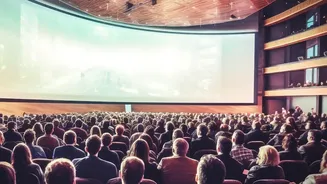
In response to these behavioural shifts, multiplexes are repositioning themselves not just as places to watch films, but as premium entertainment destinations. They are leaning into what makes the theatrical experience unique. This means investing in premium formats like IMAX, 4DX, and Dolby Cinema, which offer superior visual and sound quality that cannot be matched in a living room. It also involves offering luxury seating, gourmet food options, and an overall elevated social outing. By framing the cinema visit as a high-end recreational activity, like going to a concert or a sports game, theatres aim to justify the higher price point. The focus is on creating an 'event' around the movie, making the entire experience feel special and worth leaving the house for, reinforcing the idea that some films are simply meant for the big screen.