



A Galaxy of Opportunity
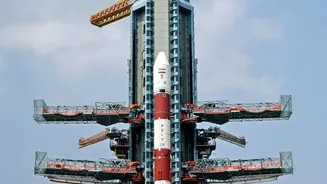
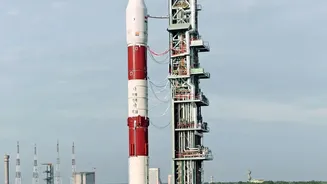
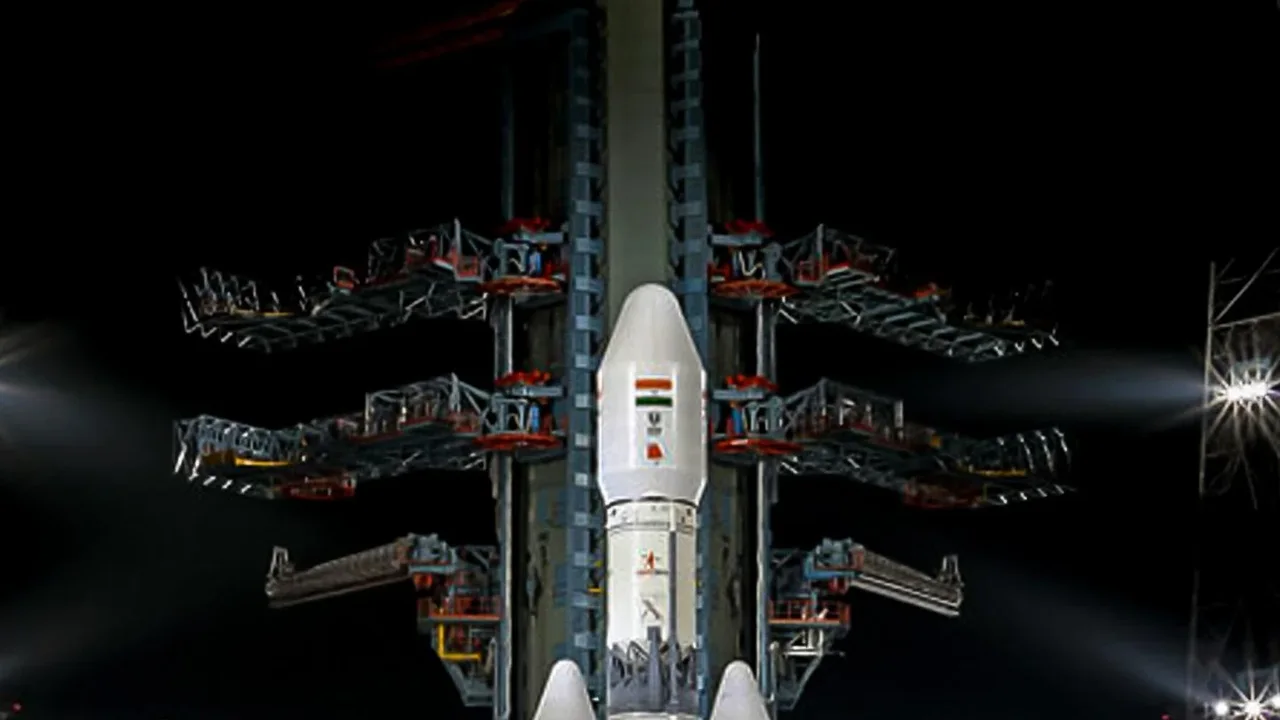
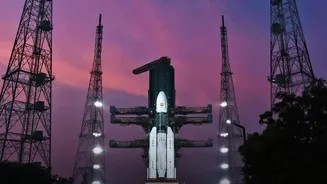
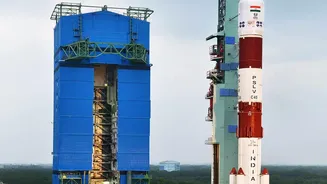
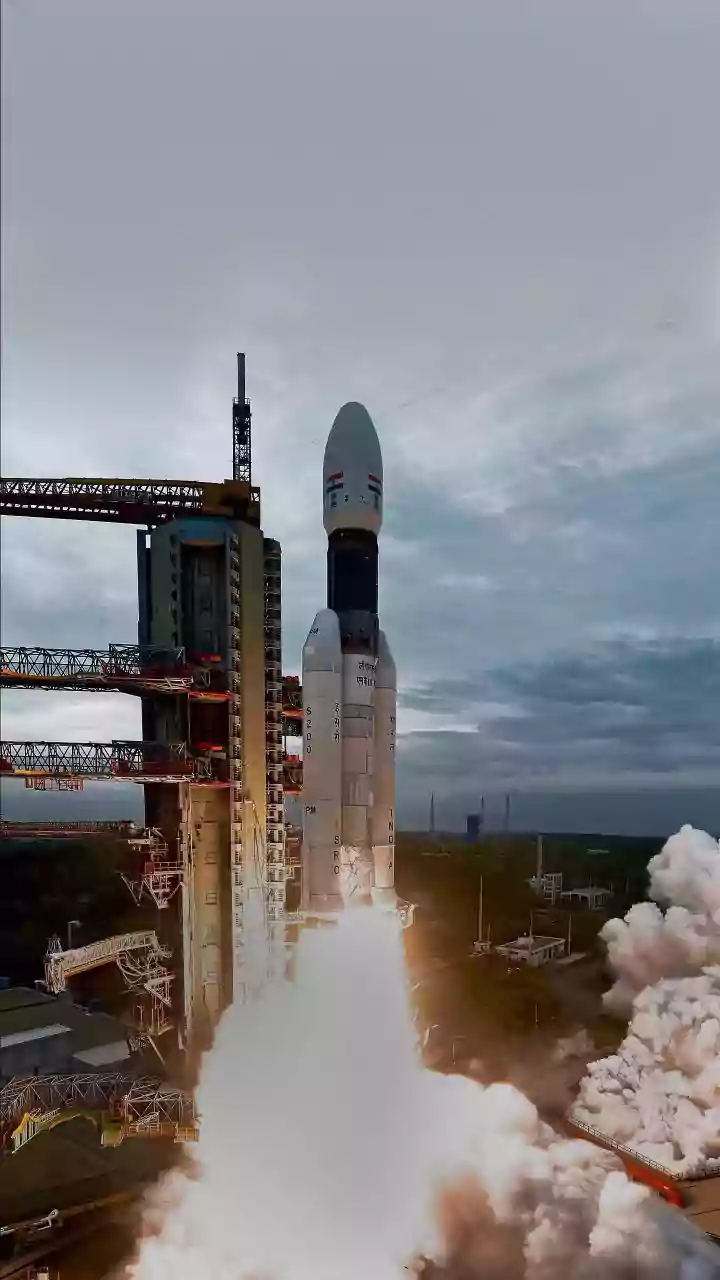
For over fifty years, the Indian space program was synonymous with the Indian Space Research Organisation (ISRO). But a landmark policy shift in 2020 changed the trajectory, inviting private companies into every part of the space value chain. This move
created the Indian National Space Promotion and Authorisation Centre (IN-SPACe), a single-window agency to facilitate and supervise the activities of private players. The goal is ambitious: to grow India's share of the global space economy and turn the nation into a hub for space technology and services. The result has been an explosion of innovation, with over 400 space-tech startups now registered in India, attracting hundreds of millions of dollars in investment. These companies are building everything from launch vehicles and satellites to advanced data analytics platforms, creating a vibrant new job market.
The Builders: Aerospace and Systems Engineers
The most visible roles in the new space race are for those who build the hardware. Companies like Skyroot Aerospace, which launched India's first private rocket, and Agnikul Cosmos are on a hiring spree for engineers. These are not just traditional aerospace engineering roles. There is a high demand for mechanical engineers to design structures, propulsion engineers to develop next-generation engines, and electronics engineers to create avionics and control systems. A key emerging role is the space systems engineer, who oversees the entire lifecycle of a spacecraft, from design and integration to launch and operation. As private companies take on more manufacturing, the need for talent that understands how to build reliable, space-grade hardware at scale is immense.
The Coders and Controllers: Software and Mission Operations
A rocket or satellite is only as smart as its software. Aerospace software engineers are in high demand to write the code that controls flight systems, manages satellite constellations, and ensures mission success. This involves expertise in embedded systems, real-time operating systems (RTOS), and complex simulation software. Once a satellite is in orbit, a different team takes over. Mission operations specialists work in ground stations to manage the health, navigation, and control of active spacecraft. As private companies like Pixxel and Dhruva Space build and deploy their own satellite constellations, the need for dedicated teams to manage these assets 24/7 is growing rapidly.
The Analysts: Turning Space Data into Earthly Insights
One of the fastest-growing segments of the space economy has little to do with leaving Earth. It’s about using the data sent back from above. Satellite data analysts and remote sensing experts process vast amounts of imagery and signals to provide valuable insights for countless industries. For example, hyperspectral images from Pixxel's satellites can monitor crop health for agriculture, track emissions for climate science, and map resources for infrastructure projects. This has created a surge in demand for data scientists, GIS experts, and AI/ML specialists who can build platforms to interpret satellite data and turn it into actionable intelligence for clients on the ground.
The Enablers: Space Law, Finance, and Business
The expanding space ecosystem needs more than just technical experts. As new companies navigate a complex regulatory landscape, there is a growing need for lawyers specialising in space policy and international law. These professionals help companies secure launch authorisations, manage liabilities, and navigate intellectual property rights. Similarly, with private investment pouring into the sector, roles in venture capital, finance, and business development are becoming critical. These professionals identify promising startups, conduct due diligence, and help secure the funding needed to get ambitious projects off the ground. The industry also needs managers who can run space-grade programs and ensure global compliance.