
The Prime Directive of Space Exploration
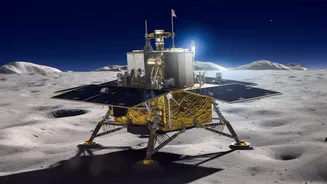
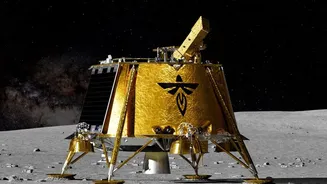
In space exploration, there's a golden rule known as 'planetary protection'. The core idea is simple: don't contaminate other worlds with life from Earth, and don't bring anything dangerous back home. For decades, the Moon was considered a low-risk target.
Its lack of atmosphere, extreme temperature swings, and harsh ultraviolet radiation were thought to create a perfectly sterile environment, lethal to any microbial hitchhikers. This assumption meant that lunar missions didn't require the intense sterilization procedures demanded for missions to places like Mars, where the potential for past or present life is higher. This long-held belief, however, is now being called into question by surprising new research from NASA.
What NASA Just Discovered
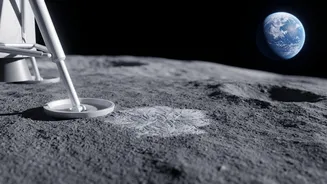
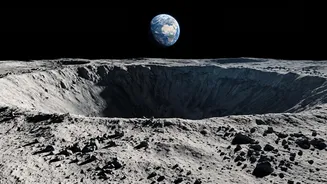
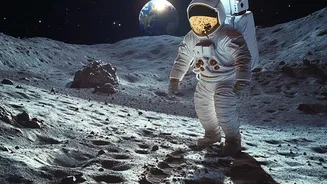
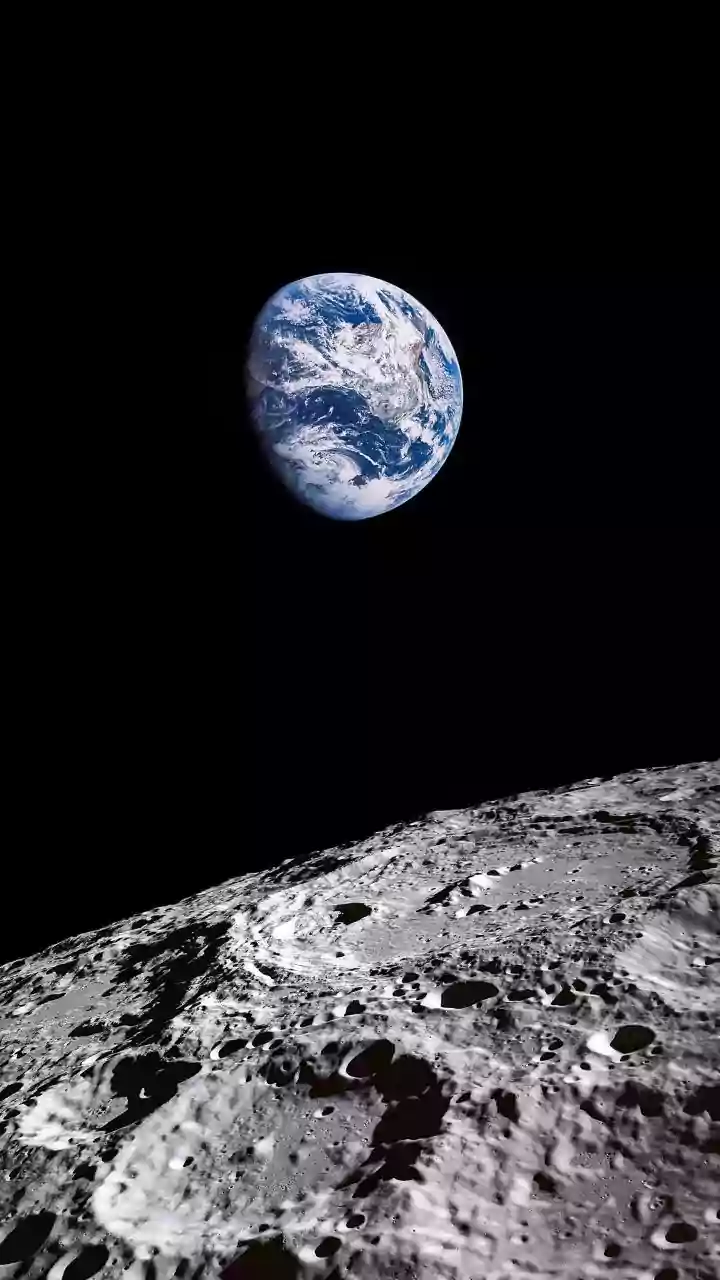
A recent study led by NASA scientists has revealed that some of Earth's hardiest microbes might be able to survive on the Moon after all. Using sophisticated computer models, researchers simulated conditions at the lunar south pole, a key target for upcoming Artemis missions. They tested five types of microorganisms commonly found in spacecraft environments, including resilient bacteria and fungi like Aspergillus niger, a common black mold. The findings, published in August 2026, were eye-opening. While the microbes wouldn't be able to grow or thrive, the models showed they could enter a dormant state of suspended animation, known as cryptobiosis, and survive temporarily. They could persist in 'survivable niches' shielded from direct solar radiation, some in permanently shadowed craters and others in areas as small as an astronaut’s bootprint.
Why This Changes the Game for Artemis
These findings have profound implications for the Artemis program. Astronauts are heading to the lunar south pole for a very specific reason: the permanently shadowed craters there are believed to contain water ice, a critical resource for a future lunar base. The irony is that these same sun-shielded, ultra-cold regions are precisely where the NASA study found that Earth microbes have the highest chance of survival. This creates a serious risk of 'forward contamination', where we could compromise one of the most scientifically valuable regions in our solar system before we even get a chance to study it in its pristine state. Scientists want to analyze the ancient ice and soil for clues about the formation of our solar system and the origins of water and life. If those samples are tainted with bacteria from an astronaut's suit, it could become impossible to tell if we’ve found something genuinely lunar or just a piece of home.
New Rules for Moonwalkers
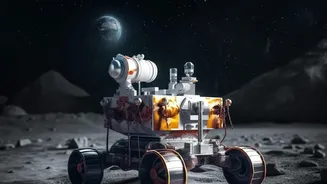
The study doesn't suggest that the Moon is secretly teeming with Earthly life. Rather, it acts as a critical warning that we need to be more careful. As we plan for a sustained human presence on the Moon, including bases and long-duration stays, the risk of biological contamination grows. The findings underscore the need to update planetary protection protocols for lunar missions. This likely means developing more rigorous decontamination procedures for rovers, equipment, and spacesuits. It also highlights the urgent need to establish a scientific baseline of the lunar environment, especially at the poles. By cataloging the Moon’s native chemistry before we arrive in large numbers, future scientists will be able to distinguish between what’s truly lunar and what we brought with us. In a way, learning to protect the Moon is a crucial dress rehearsal for the even greater challenge of exploring Mars without contaminating it.