






What Is Bowel Permeability?
Often discussed using the term 'leaky gut', intestinal permeability refers to how easily substances can pass through the lining of your intestines into the bloodstream. Your gut lining is designed to be a strong but selective barrier. It allows digested
nutrients and water to pass through while blocking harmful toxins, undigested food particles, and microbes. When this barrier weakens, its permeability increases. This 'leakiness' can allow unwanted substances to enter the bloodstream, which may trigger an immune response and inflammation throughout the body. While increased permeability is a recognized medical phenomenon, 'leaky gut syndrome' is a term used in natural health circles and is not a formal medical diagnosis.
The Late-Night Eating Connection
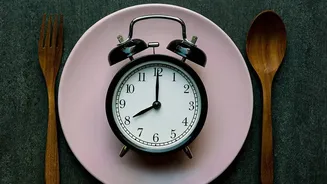
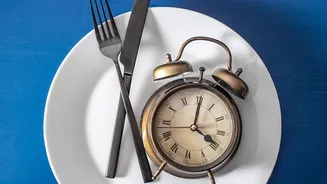
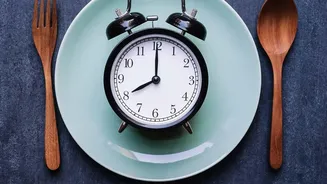
The link between late-night eating and gut health is rooted in our body's internal clock, or circadian rhythm. This 24-hour cycle governs not just sleep but also digestion, hormone release, and metabolism. Your digestive system is most active during the day and naturally slows down at night to rest and repair. Eating late forces your gut to work overtime when it should be winding down. Recent studies highlight this conflict. Research presented at Digestive Disease Week found that people with high stress who ate more than a quarter of their daily calories after 9 p.m. were significantly more likely to experience abnormal bowel habits like constipation and diarrhea. Another study from UTHealth Houston connected late eating and sleeping habits with a weaker intestinal barrier and increased inflammation, particularly in adults with obesity.
Why Your Body's Clock Matters
This field of study is called chrononutrition—the science of how when you eat affects your health. Your gut microbiome, the community of trillions of bacteria in your intestines, also follows a daily rhythm. These microbes are essential for digestion, immune function, and even producing vital compounds like short-chain fatty acids (SCFAs), which help maintain the gut barrier. When you eat at irregular times, like late at night, you disrupt these microbial rhythms. This misalignment can lead to an imbalance in gut bacteria, reduced production of beneficial SCFAs, and consequently, increased intestinal permeability. This internal desynchrony, where your gut's clock is out of sync with your brain's master clock, is linked to a higher risk of metabolic issues.
Broader Health Implications
A compromised gut barrier isn't just a digestive issue. The resulting low-grade, systemic inflammation has been linked to a wide range of health problems. When the gut barrier is weakened, substances that should remain contained can enter the bloodstream, putting the immune system on high alert. This chronic state of alert is associated with metabolic syndrome, which includes conditions that increase the risk of heart disease, stroke, and type 2 diabetes. It is also linked to autoimmune conditions, skin issues, fatigue, and even mood disorders, as the gut and brain are in constant communication via the gut-brain axis. Therefore, maintaining a healthy gut barrier is a cornerstone of overall well-being.
Tips for a Healthier Eating Schedule
Shifting your eating patterns to align better with your body's natural rhythms doesn't require a radical overhaul. The key is consistency and giving your digestive system an adequate overnight break. Try to consume the majority of your calories during the daytime when your metabolism and digestive system are at their peak. If you must eat later in the evening, aim for a lighter, smaller meal rather than a large, heavy one. Allowing several hours between your last meal and bedtime gives your gut time to process the food before it enters its nightly repair phase. Studies on time-restricted eating (TRE), where you limit your eating to a specific window each day, show it can help restore microbial balance and improve gut barrier function. Ultimately, listening to your body and creating a more regular eating routine can be a powerful tool for supporting your digestive health.