





Beyond the Usual Tourist Trail
A new trend is reshaping how Indians travel internationally: the move towards 'second-city' or secondary destinations. Instead of heading straight for Paris, many are now exploring Lyon. Rather than booking another trip to Bangkok, they are discovering
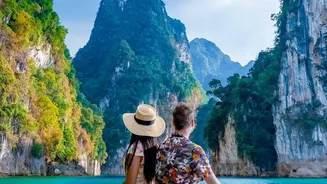
the cultural charm of Chiang Mai or the beaches of Krabi. This movement involves choosing lesser-known cities and regions that offer authentic experiences without the overwhelming crowds and inflated prices of major tourist hubs. Destinations across Southeast Asia like Vietnam have seen a phenomenal rise in interest, with cities like Hanoi and Da Nang becoming popular. Similarly, Eastern European countries such as Hungary and the Czech Republic are gaining traction for their blend of history and affordability.
The Quest for Authentic Experiences
This shift is largely driven by a change in mindset, especially among younger Millennial and Gen Z travellers. Modern Indian tourists are no longer content with simply collecting passport stamps or visiting famous landmarks for a photo opportunity. They are seeking meaningful memories and cultural immersion. This 'experiential travel' boom, which is projected to become a dominant segment in India, focuses on activities like local cooking classes, village tours, and attending cultural festivals. The goal is to actively participate in the life of a destination rather than observing it from a distance, creating a journey of discovery. This desire for unique, story-worthy moments, often fuelled by social media, has made offbeat locations more appealing than ever.
Smarter Economics and Easier Access
Practical factors are also playing a crucial role. Secondary destinations are often significantly more budget-friendly, offering better value for accommodation, food, and activities. This allows travellers to enjoy longer stays or more luxurious experiences for the same cost as a shorter trip to a primary city. Furthermore, simplified visa policies have been a game-changer. A growing number of countries, including Thailand, Malaysia, and Sri Lanka, have offered visa-free entry or streamlined e-visa processes for Indian passport holders. This removes a major logistical hurdle, making spontaneous, short-notice international trips a viable option for many working professionals.
A Ripple Effect on the Travel Industry
The rise of second-city tourism is having a noticeable impact. Travel companies are diversifying their offerings, creating curated packages for destinations that were previously considered niche. This trend also helps combat over-tourism in popular capitals, distributing the economic benefits of tourism more evenly across a country. For the Indian traveller, it signals a new era of exploration. The focus has moved from prestige to personal fulfilment. As more people seek out these hidden gems, the definition of a 'dream holiday' is expanding, becoming more about the quality of the experience than the fame of the destination. This shift indicates a maturing travel market, where individuality and authenticity are the new currencies.