





The Perfect Post-Monsoon Window
The period from late September through November is widely considered one of the best times to experience Tirthan Valley. After the heavy monsoon rains of July and August recede, they leave behind a world reborn. The dust has settled, the vegetation is lush,
and the skies open up to a brilliant, clear blue. Temperatures during these months are comfortably pleasant, typically ranging from 12°C to 25°C, creating ideal conditions for being outdoors without the intense heat of summer or the biting cold of winter. This perfect weather window means you can spend your days exploring and your evenings enjoying the crisp, cool mountain air. The roads are also safer and more accessible, as the risk of landslides significantly decreases post-monsoon.
A Landscape of Unparalleled Beauty
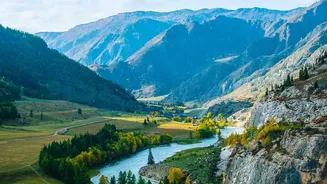
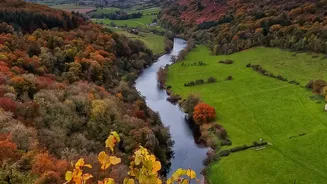
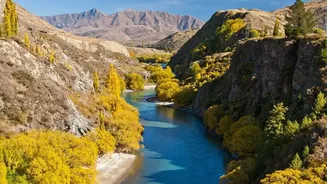
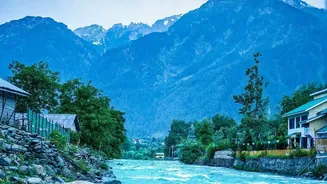
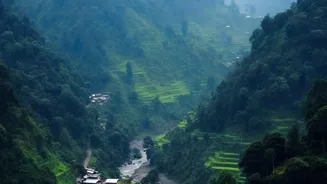
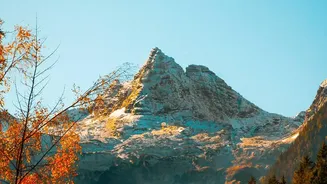
Autumn transforms Tirthan Valley into a visual masterpiece. The Tirthan River, which can be a turbulent, muddy torrent during the rains, runs crystal-clear, its waters reflecting the deep blue sky. This makes it an angler’s paradise, as the official trout fishing season often runs until the end of October, offering some of the best conditions of the year. The valley, which is the gateway to the Great Himalayan National Park (a UNESCO World Heritage Site), is intensely green and vibrant. As October progresses, the foliage begins to turn, painting the landscape in shades of gold and orange, especially in the forests. It’s a photographer’s dream, with the sharp, clear light of autumn illuminating the pristine scenery.
Adventure in the Crisp Air
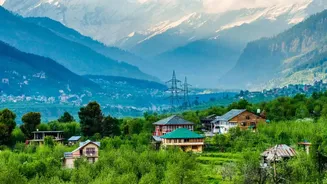
The cool, dry weather of autumn is perfect for the many adventures Tirthan has to offer. Trekking routes that may have been slippery or closed during the monsoon, such as the popular trails to Serolsar Lake and the Jalori Pass, become fully accessible and offer stunning panoramic views of the Himalayas. The pleasant climate makes both short day hikes and longer multi-day treks into the Great Himalayan National Park more enjoyable. You can explore quaint Himachali villages like Gushaini and Nagini, known for their traditional wooden homes and warm hospitality, without breaking a sweat. Other activities like river crossing, camping by the river, and bird watching are also at their best during this season.
The Luxury of Solitude
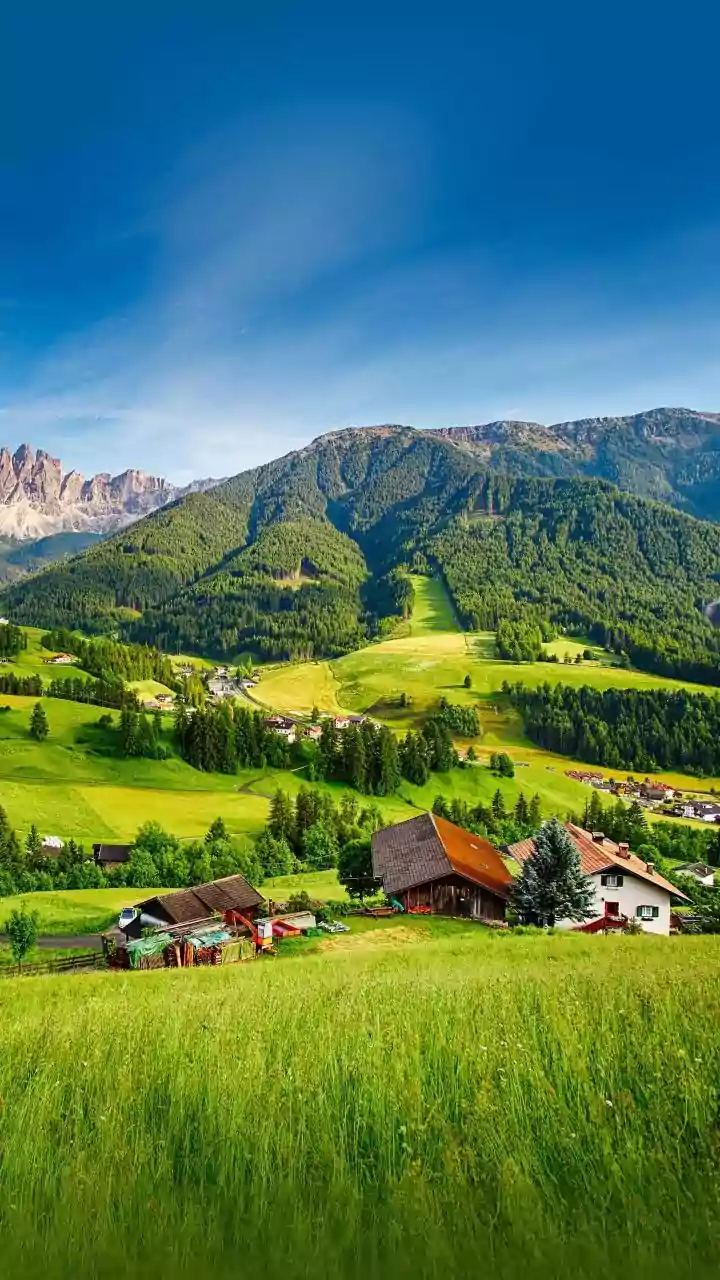
While the summer months of April to June are peak tourist season, autumn sees significantly fewer crowds. This relative quietness transforms the experience of the valley. Instead of bustling tourist spots, you find peaceful riverside homestays and quiet trails. It’s a time for a slower, more immersive kind of travel, where the primary soundtrack is the gurgling river and the rustle of leaves. You can connect more deeply with the local culture, spend unhurried time in cafes in nearby Jibhi, or simply find a spot by the river to read a book. This solitude is a luxury in itself, making Tirthan in autumn the ultimate escape for those looking to disconnect from the chaos of city life and reconnect with nature.