




The Great Avian Superhighway
Every year, millions of birds undertake perilous journeys along fixed migratory paths called flyways. India is a crucial part of the Central Asian Flyway (CAF), a vast aerial corridor that stretches from the northernmost breeding grounds in Siberia and
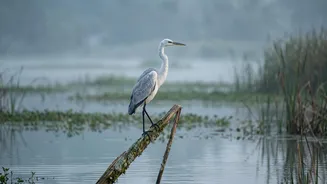
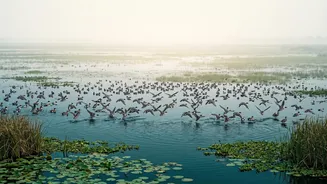
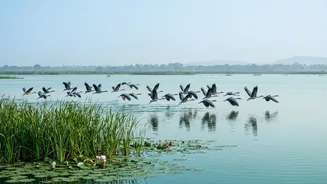
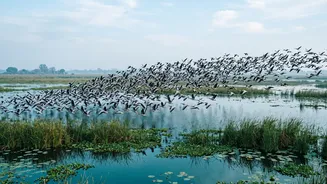
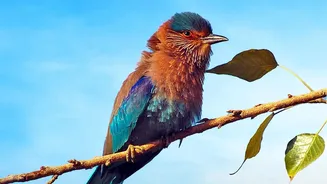
the Arctic to the warmer wintering grounds in the Indian Ocean. This makes India an essential destination for over 90% of the bird species that use this route. Birds like the majestic Bar-headed Goose, which flies at altitudes over the Himalayas, Northern Shovelers, and various sandpipers travel thousands of kilometres to escape the harsh northern winter. Their survival depends on a chain of healthy wetlands where they can rest and refuel, and increasingly, these vital pit stops are found within city limits.
Unexpected Oases in the Concrete Jungle
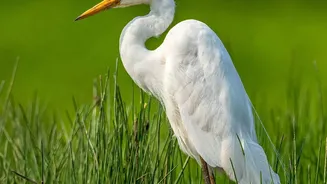
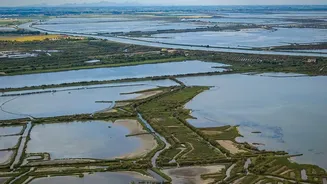
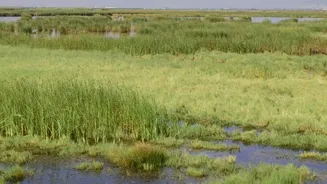
While one might expect pristine national parks to be the main refuge, many migratory species are surprisingly adaptable. Urban and human-dominated landscapes, including small ponds and lakes, are becoming indispensable habitats. A 2021 study in Delhi revealed that city ponds, some smaller than five hectares, hosted 37% of the city's recorded bird species during winter. These urban water bodies, from Basai Wetland in Gurugram to Pallikaranai Marsh in Chennai, provide essential resources like food (insects, fish, and aquatic vegetation) and relative safety from predators, especially when more traditional, rural wetlands are degraded or disappear.
A Tale of Three Cities
In Gurugram, the Basai Wetland, an officially recognised Important Bird and Biodiversity Area, stands in stark contrast to the surrounding high-rises. It regularly hosts over 280 species, including thousands of ducks and waders during migration. Birders have spotted species like the Common Crane and Water Pipit wintering here. Similarly, the Pallikaranai Marsh in Chennai, a designated Ramsar site, is a crucial stop on the Central Asian Flyway. It welcomes birds like the Brown Shrike from Siberia and the Black-tailed Godwit, serving as a home for over four months each year. In Delhi, even small, accidental waterbodies next to construction sites have become temporary homes for species like the Pied Avocet.
An Ecosystem Under Pressure
The existence of these urban refuges is precarious. The very urbanisation that surrounds them poses the greatest threat. Encroachment for real estate, dumping of untreated sewage and industrial waste, noise and light pollution, and the introduction of invasive species like water hyacinth are constant pressures. Many of these critical habitats, like Basai, lack formal protection, leaving them vulnerable to being re-designated for development. The decline in bird populations at a given lake can be a strong indicator of broader environmental stress, signalling issues with water quality and ecological balance that ultimately affect human populations as well.
The Rise of Citizen Guardians
Hope for these urban ecosystems often comes from the ground up. Across India, communities are leading restoration efforts. In Bengaluru, citizen groups have been instrumental in rejuvenating lakes, which has had a positive impact on bird habitats. Birdwatching groups and citizen scientists play a crucial role in conservation by monitoring bird populations, documenting biodiversity, and raising awareness. In Chennai and Gurugram, these groups actively campaign for the protection of wetlands, filing petitions and collaborating with authorities to protect these vital habitats. Their work underscores a growing recognition that cities can, and must, make space for nature.