





The Kharif Season's Lifeline
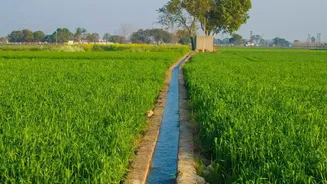
Every year, from June to September, India looks to the skies. The southwest monsoon is the backbone of the country's agriculture, particularly for the Kharif or summer crops. These crops, including essentials like rice (paddy), maize, soybean, cotton,
and various pulses, are sown at the beginning of the monsoon. A staggering portion of India's farmland is rain-fed, making the timing, distribution, and quantity of monsoon rainfall the single most important factor determining the season's outcome. A good monsoon boosts farm incomes, keeps food inflation in check, and fuels rural demand, creating positive ripples across the entire economy. Conversely, a poor monsoon can trigger distress that extends far beyond the fields.
The 2026 Monsoon: A Tale of Two Halves
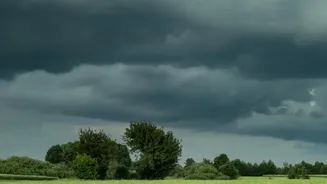
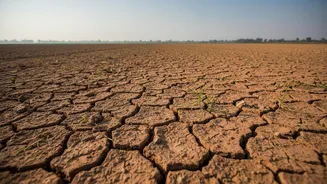
The 2026 monsoon season has been a story of sharp contrasts. It began with a significant deficit in June, raising early alarms for the Kharif sowing season. While rainfall picked up significantly in July, bringing much-needed relief and helping to narrow the sowing gap, the recovery has been uneven. According to the India Meteorological Department (IMD), the cumulative rainfall for the country as of mid-August remains below the long-period average. The IMD has also forecast below-normal rainfall for August and September, partly influenced by moderate El Niño conditions persisting over the Pacific Ocean, which are known to suppress monsoon activity in India. This outlook has raised concerns about moisture levels during the critical grain-filling stage for crops.
Uneven Rains and Sowing Deficits
The national average rainfall figure masks deep regional disparities. While central India has received excess rain, sometimes leading to floods, other key agricultural belts are struggling. As of mid-August, significant rainfall deficits persist in East and Northeast India, as well as in parts of the southern peninsula. States like Bihar, Jharkhand, and West Bengal, along with key southern states, are lagging. This erratic distribution has directly impacted sowing. According to the latest data from the Agriculture Ministry as of August 14, the total area sown under Kharif crops is about 2% lower than the same period last year. Acreage for critical crops like rice is down by 3.7%, and maize by 4%. With the sowing window now virtually closed, the final harvest size will depend almost entirely on the yield from the already-planted crops.
Crops Under Stress
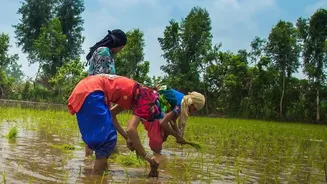
The uneven rainfall is creating specific challenges for different crops. Paddy, a water-intensive crop, is particularly vulnerable. Data shows that many of India’s top rice-producing districts are currently facing rainfall deficits. This could impact the final output of the country's most important food staple. Similarly, the productivity of pulses like tur (pigeon pea) and oilseeds like soybean are also at risk, with their primary growing regions experiencing inconsistent moisture. Agricultural experts note that it's not just the total volume of rain but its timing that matters. Prolonged dry spells following heavy downpours can deplete soil moisture quickly, stressing the plants during their crucial growth phases. The next few weeks of rainfall are considered critical to determine whether these initial stresses translate into a significant drop in productivity.
The Broader Economic Ripple Effect
The performance of the Kharif harvest has consequences that extend far beyond the farm gate. A significant shortfall in production, particularly in food grains and oilseeds, could tighten domestic supplies and exert upward pressure on food inflation—a sensitive issue for households across the country. Lower crop yields also mean reduced income for millions of farmers, which in turn can dampen rural demand for everything from tractors to consumer goods. This has a direct impact on India's overall GDP growth. Furthermore, a poor harvest could force the government to implement more cautious export policies for commodities like rice and sugar to ensure domestic availability, affecting global food markets.