







The Heart of the Matter: The India-UK Trade Deal
Recent reports have confirmed that a new India-United Kingdom Free Trade Agreement (FTA) is set to be implemented from July 15, 2026. A key component of this deal is a structured, phased reduction of import tariffs on vehicles traded between the two nations.
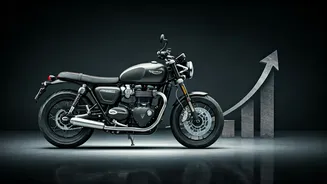
Currently, both markets impose significant duties on imported vehicles, which increases the final price for consumers. For instance, high-capacity motorcycles imported into India can face duties of over 100%. The new FTA aims to slash these tariffs, in some cases down to as low as 10% over a five-year period, using a quota-based system to manage the flow of vehicles. This reciprocal arrangement means it could become cheaper for UK brands to sell in India and, crucially, for Indian brands to sell in the UK.
The Export Opportunity for Royal Enfield
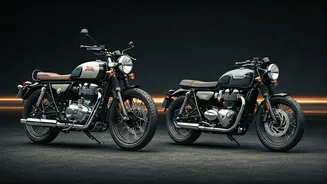
The primary benefit for Royal Enfield lies in boosting its export competitiveness, especially in the European market. While the company enjoys immense popularity and strong sales in India, its export numbers have recently shown signs of weakness, with declines reported in April and May 2026. A reduction in the UK's import duties on motorcycles from India would make Royal Enfield's bikes, such as the popular 650cc twins and the Himalayan, more affordable for British consumers. This would allow the brand to compete more aggressively on price with established European and Japanese manufacturers in the crucial mid-size segment. Analysts note that Europe is a major market for Royal Enfield, and lower tariffs through FTAs (including potential deals with the EU) are seen as a key opportunity for the 'Make in India' initiative and for brands to expand their global footprint.
What About Increased Competition at Home?
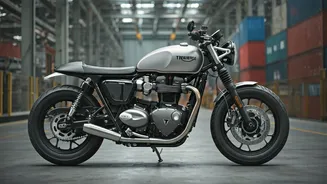
Naturally, a reciprocal deal means import duties on UK-made motorcycles coming into India will also fall. This will make premium brands like Triumph and Norton more accessible to Indian buyers, potentially intensifying competition. However, the impact on Royal Enfield's domestic dominance might be limited. The company commands a market share of over 90% in the 500cc-plus segment in India. Foreign superbikes, even with lower duties, will likely still be priced significantly higher than Royal Enfield's core offerings. The threat is likely to be concentrated at the very premium, aspirational end of the market rather than impacting Royal Enfield's high-volume models. The company's strength lies in the 350cc-650cc space, where it has built a loyal following that competitors have found difficult to break.
A Strategic Boost for Global Ambitions
Beyond the immediate price advantage, the FTA aligns perfectly with Royal Enfield's long-term strategy. The company has been actively investing in its international presence, introducing models specifically designed to appeal to global audiences and expanding its network in over 80 countries. A favourable trade environment in a key market like the UK validates this global push. It not only helps sales but also strengthens the brand's image as a serious international player. Lower trade barriers encourage deeper integration, technology sharing, and R&D collaborations, all of which are vital for sustained growth. As one analyst noted, the trend among motorcycle buyers, even in markets like the US, is shifting towards the accessible, mid-sized premium bikes that are Royal Enfield's specialty.
Not a Done Deal Yet
While the framework of the India-UK FTA is in place, the specific benefits for the two-wheeler segment will depend on the final details and how the quota system is applied. The initial focus of the announcements has been on cars, with specific engine capacity brackets and quotas detailed. The motorcycle industry is still seeking clarity on the exact implications for them. Furthermore, these agreements are complex and phased in over several years, meaning the full impact won't be felt overnight. The benefit is real and significant, but its rollout will be gradual. For now, it represents a powerful potential tailwind for Royal Enfield's journey on the global stage.