




1. Unprecedented Access and Variety
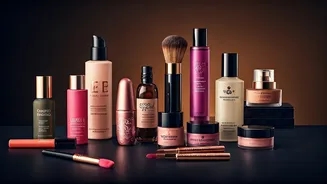
For decades, the beauty options for a consumer in, say, Gorakhpur or Guntur were limited to what the local general store or chemist stocked. This usually meant a handful of legacy brands and a narrow range of products. The internet has blasted this limitation
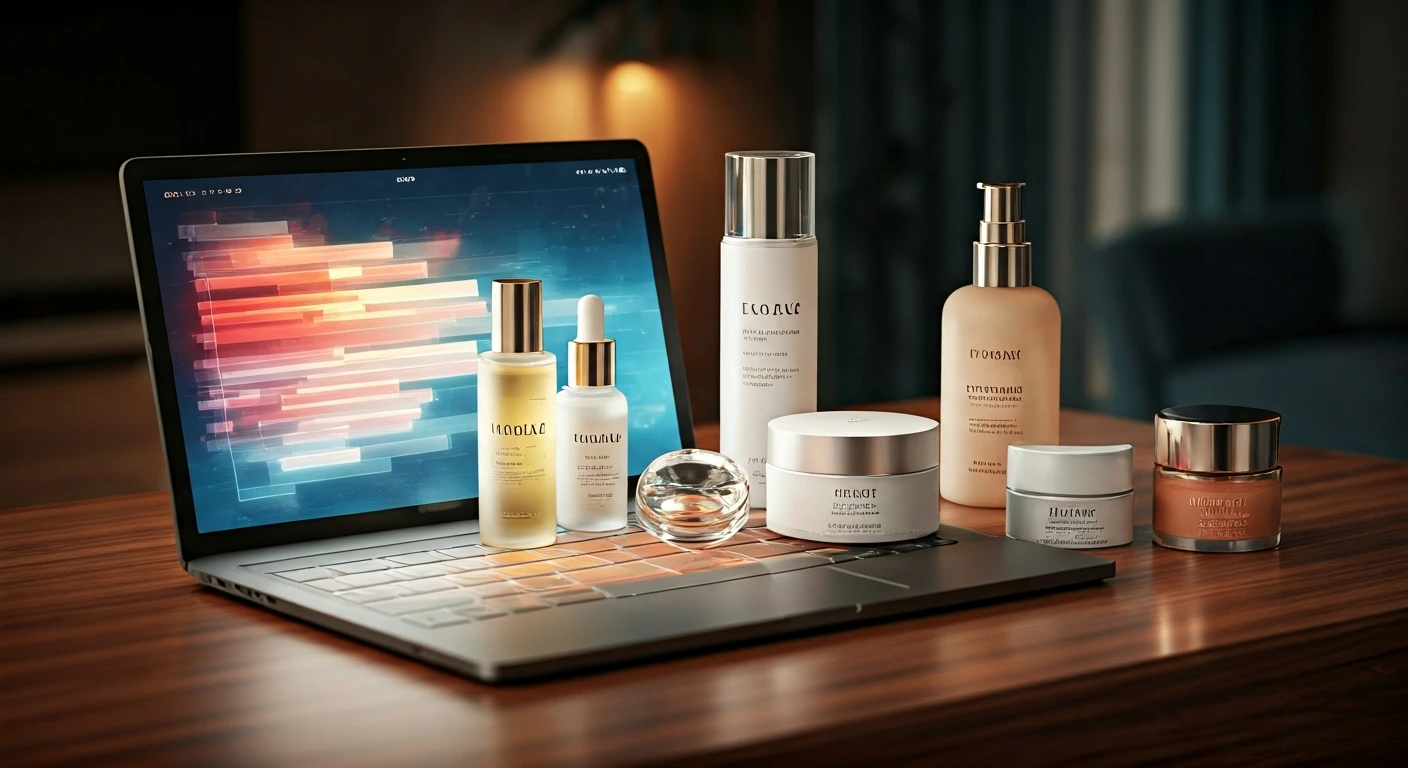
away. E-commerce platforms like Nykaa, Myntra, and Amazon have become digital gateways to a world of beauty. Suddenly, a teenager in a small town has the same access to international brands like The Ordinary or Korean beauty staples from Innisfree as someone in Mumbai or Delhi. This isn't just about buying a lipstick; it's about accessing an aspirational lifestyle that was previously only visible in magazines and movies.
2. The Influencer and Social Media Effect
Social media is the new beauty counter, and influencers are the new trusted advisors. Platforms like Instagram, YouTube, and even ShareChat are flooded with beauty content creators, many of whom produce videos and reviews in regional languages. This has been a game-changer. When a consumer in a non-metro area sees an influencer from a similar background—who looks like them and speaks their language—reviewing a product, it builds an immediate layer of trust and relatability that a celebrity brand ambassador often can't. These influencers demonstrate how to use new products, explain complex ingredients, and provide 'dupes' for expensive items, effectively educating and empowering a whole new customer base that was previously underserved by mainstream media.
3. The Privacy and Anonymity Factor
In the close-knit communities of smaller towns, buying certain products can be an awkward or public affair. Purchasing items related to acne, skin pigmentation, intimate hygiene, or even just trying a bold new shade of makeup can invite unwanted questions or judgment at the local shop. Online shopping offers a powerful shield of anonymity. Consumers can browse, research, and purchase personal care items from the privacy of their homes without facing the curious gaze of a neighbourhood shopkeeper or familiar faces. This discretion is a significant, if often unspoken, driver of online sales for many personal care and wellness categories.
4. Smarter Prices and the D2C Boom
Everyone loves a good deal, and e-commerce platforms are masters of delivering them. Flash sales, bundled offers, and loyalty points create a compelling value proposition that brick-and-mortar stores struggle to match. Furthermore, the rise of Direct-to-Consumer (D2C) brands like Mamaearth, SUGAR Cosmetics, and WOW Skin Science has revolutionised the market. These brands, born on the internet, cut out the traditional distribution middlemen, allowing them to offer quality products at more competitive prices. They focus heavily on digital marketing, reaching consumers in Tier 2 and Tier 3 cities directly through social media ads, making them household names without ever needing a physical retail footprint in every town.
5. Content-Led Education
Modern beauty e-commerce isn't just about selling; it's about teaching. Platforms have evolved from simple digital shelves into comprehensive content hubs. A consumer can now watch a video tutorial on how to create a 'smoky eye', read articles on the benefits of niacinamide, and browse hundreds of user-generated reviews and ratings before making a purchase. This content-led commerce model empowers customers with knowledge, helping them move from being passive buyers to informed consumers. For those in non-metro areas who previously lacked access to such expertise, this educational component builds immense brand loyalty and confidence in shopping online.