






A Faster, More Comfortable Connection
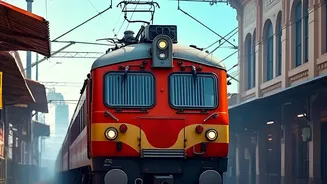
Indian Railways is gearing up to launch a much-anticipated Vande Bharat Sleeper service connecting Mumbai and Bengaluru, with Pune slated to be a crucial stop on its route. This development is poised to be a significant upgrade for one of India's busiest
travel corridors, particularly for the thousands of workers commuting between Maharashtra's cultural capital and India's Silicon Valley. The new service aims to slash travel time considerably, reducing a journey that currently takes up to 22 hours on existing express trains to around 16 hours. According to proposed schedules, the service will run six days a week, offering a reliable option for weekend travel or weekday business trips. While an official launch date is awaited, reports suggest the inaugural run could happen as early as November 1, 2026, to coincide with Karnataka Rajyotsava.
What Makes the Vande Bharat Sleeper a Game-Changer?
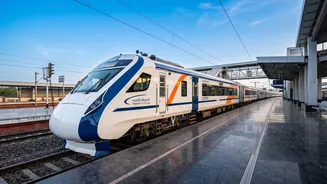
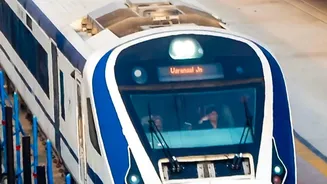
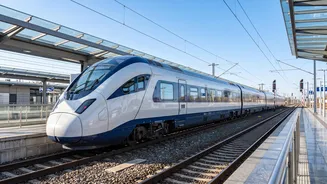
The Vande Bharat Sleeper isn't just a faster train; it represents a complete overhaul of the overnight travel experience. The coaches are designed with passenger comfort as a priority, featuring ergonomically designed, better-cushioned berths for improved sleep quality. Unlike conventional trains, these coaches boast superior soundproofing for a quieter journey and an advanced aerodynamic design for a smoother, jerk-free ride at higher speeds. For the modern professional, connectivity and convenience are key. The sleeper coaches will include individual charging points, USB ports, and potentially Wi-Fi-enabled infotainment systems. Furthermore, safety has been significantly enhanced with features like the 'Kavach' automatic train protection system, fire-retardant materials, CCTV surveillance, and automatic doors that seal the coach from external noise and dust.
The Problem with Existing Overnight Options
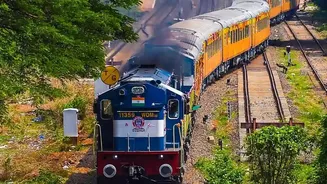
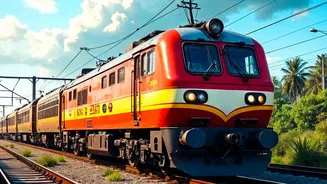
For years, Pune-based professionals have juggled imperfect travel choices for their Bengaluru trips. Existing train services are often slow, taking between 17 to 22 hours, with older coaches that lack modern amenities. This makes arriving fresh for a morning meeting nearly impossible. The alternative has been a fleet of private sleeper buses. While faster than current trains, with journey times around 14-15 hours, the comfort level can be inconsistent, and concerns about road safety and bumpy rides are common. The third option, flying, is the fastest in the air but often the most inconvenient and expensive. When factoring in travel to and from airports, security checks, and waiting times, a 'quick' flight can easily consume five to six hours, defeating the purpose of a restful overnight trip.
A Strategic Boost for Pune's Professionals
Pune and Bengaluru form a powerful economic axis, with strong ties in the IT, automotive, and startup sectors. This synergy fuels constant business travel between the two cities. The introduction of a Vande Bharat Sleeper offers a strategic advantage to this workforce. The ability to board a train in Pune late in the evening and arrive in Bengaluru the next morning, well-rested and ready for a full day of work, is a significant value proposition. The estimated journey time of 12 to 15 hours from Pune would make it a highly competitive option. This transforms dead travel time into productive rest, potentially reducing the need for an extra night's hotel stay and boosting overall efficiency for companies and their employees.
Timeline, Route, and What to Expect
According to proposed plans, the train will connect Mumbai's CSMT with Bengaluru's KSR station, with confirmed halts at key cities including Pune, Solapur, and Kalaburagi. The train is expected to consist of 16 coaches with a capacity of around 823 passengers, including a mix of AC First, Two-Tier, and Three-Tier classes. While there is considerable excitement, it's important to note that the final timetable, fare structure, and exact launch date are still awaiting an official announcement from Indian Railways. However, the approval for the service is confirmed, and its eventual launch will mark a new chapter in premium, long-distance rail travel in southern and western India.