




Why the Monsoon is Prime Tick Season
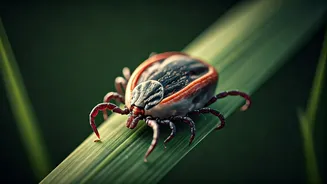
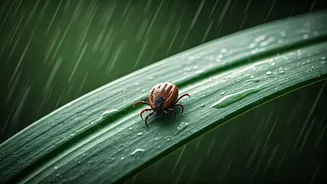
The rainy season in India is synonymous with an explosion in the tick population. These parasites thrive in warm, humid, and damp environments, making the monsoon their ideal breeding season. During this time, tick populations can increase by 300-400%.
Damp grass in parks, muddy puddles, and reduced sunlight create perfect conditions for ticks to multiply and latch onto pets during their daily walks. This isn't just a nuisance; it's a significant health threat, with Indian veterinary clinics seeing a spike of 40-60% in visits during the monsoon for issues like tick fever and skin infections.
The Hidden Dangers: Tick-Borne Diseases
A tick bite is more than just an itchy spot. Ticks are vectors for serious blood-borne diseases, collectively known as tick fever. In India, the two most common and dangerous are Ehrlichiosis and Babesiosis, both of which can be fatal if not detected and treated early. Ehrlichiosis attacks a dog's white blood cells, causing symptoms like fever, lethargy, and loss of appetite. Babesiosis targets red blood cells, leading to anaemia, pale gums, weakness, and dark-coloured urine. Symptoms often appear one to three weeks after an infected tick bite, which is why vigilance is crucial.
Your First Line of Defence: Vet-Approved Preventatives
Prevention is always better than cure, especially when treatment for tick fever can be costly and traumatic for your pet. Consult your veterinarian about the best preventative treatment for your dog. Options typically include monthly spot-on treatments, oral chewable tablets, and medicated collars. It's often recommended to start these treatments 2-3 weeks before the monsoon fully sets in to build protection. Relying on a single method may not be enough, so many vets suggest a multi-pronged approach combining preventative medication with environmental control.
The Daily Post-Walk Ritual
Every walk during the monsoon is a potential tick encounter. Make a thorough check-up part of your daily routine. As soon as you return, towel-dry your pet completely, as a damp coat is a breeding ground for both ticks and fungal infections. Run your fingers through your dog's entire coat, feeling for any small bumps. Pay special attention to their favourite hiding spots: inside and behind the ears, between the toes, under the collar, in their armpits, and around the tail. Cleaning your dog's paws with lukewarm water, perhaps with a drop of antiseptic, is also a good habit.
Fortify Your Home Environment
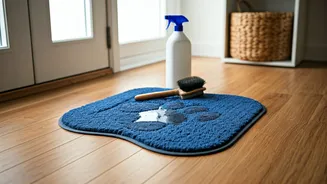
Tick control doesn't end at the front door. Ticks can infest your home, hiding in bedding, carpets, and furniture before re-attaching to your pet. During the monsoon, increase the frequency of cleaning. Wash your pet's bedding in hot water at least once a week. Vacuum floors and furniture regularly, and keep the home as dry and well-ventilated as possible. Keeping your garden grass trimmed short can also reduce the outdoor tick population.
What to Do If You Find a Tick
If you find a tick, it's important to remove it correctly to prevent infection. Never crush a tick with your fingers, as this can transmit disease. The best method is to use fine-tipped tweezers or a special tick-removal tool. Grasp the tick as close to the skin's surface as possible and pull upward with steady, even pressure. Avoid twisting or jerking, which can cause the mouth-parts to break off and remain in the skin. After removal, clean the bite area with an antiseptic. It's a good idea to dispose of the tick by placing it in alcohol or a sealed container.