





The mRNA technology that gave the world COVID-19 vaccines in record time is now being aimed at a more complex enemy: cancer. A Hyderabad-based startup, PopVax, is at the forefront of this effort in India, developing personalised therapies.
From Pandemic Defence to Cancer Offence
Messenger RNA,
or mRNA, became a household name during the pandemic. These vaccines work by giving our cells a temporary set of instructions to build a piece of a virus, training our immune system to recognise and fight it. Scientists are now applying this same principle to cancer. Instead of targeting a virus, a therapeutic cancer vaccine aims to teach the body's immune system to identify and attack cancer cells that are already present. This shifts mRNA technology from a preventive tool against infections to a therapeutic weapon against existing diseases.
A 'Custom-Made' Weapon Against Tumours
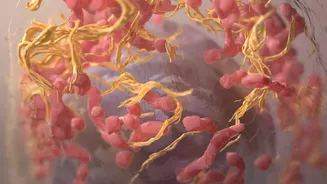
What makes this approach 'personalised' is that the treatment is custom-built for each patient. The process starts by taking a sample of a patient's tumour and sequencing its genetics to find unique mutations not present in their healthy cells. These mutations can create abnormal proteins called neoantigens. Using AI and machine learning, scientists select the most promising neoantigens to target. An mRNA vaccine is then manufactured with instructions for the patient's own cells to produce these specific neoantigens, essentially showing the immune system a 'wanted poster' for the cancer. This trains T-cells, a type of immune cell, to hunt down and destroy only the cancer cells carrying those markers.
PopVax Enters the Personalised Medicine Arena
Hyderabad-based biotech startup PopVax is one of the key players bringing this advanced research to India. Founded in 2021, the company has established an integrated research and manufacturing facility called the 'RNA Foundry' to develop these complex medicines. While its first clinical trial, which began in August 2026, is for a next-generation COVID-19 vaccine, PopVax has publicly stated its goal to develop precision cancer immunotherapies for hard-to-treat solid tumours like liver and pancreatic cancer. The company aims to make these advanced treatments more accessible and affordable, leveraging a platform that allows for refrigerator-stable mRNA formulations, a significant logistical advantage over early COVID vaccines.
The Long Road From Lab to Clinic
Despite the promising science, it's crucial to understand that personalised mRNA cancer vaccines are still experimental and not yet approved for routine treatment in India or anywhere else in the world. Access is currently limited to clinical trials. PopVax's cancer program has not yet demonstrated efficacy in humans, and any new therapy must go through rigorous clinical trials—typically in three phases—to prove its safety and effectiveness before it can be considered for approval by regulatory bodies like the Central Drugs Standard Control Organisation (CDSCO). India has established guidelines for gene and cell-based therapies, but the journey from a lab concept to a market-ready treatment is long, complex, and expensive.
What This Means for India's Biotech Ambitions
The work being done by PopVax and others signifies a major step for India's biotechnology sector. The country, often known as the 'pharmacy of the world' for its prowess in manufacturing generic drugs, is now moving towards creating first-in-class, innovative therapies. This involves building deep capabilities in cutting edge fields like AI driven drug design, genetic sequencing, and mRNA manufacturing. While international companies like Moderna and Merck have also shown promising late stage trial results for a personalised melanoma vaccine, the emergence of domestic players like PopVax is vital for creating self reliance and ensuring future treatments are affordable for the Indian population. This research represents a critical investment in India's scientific future and its capacity to tackle complex diseases.