




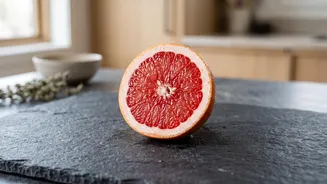
The Unexpected Culprit in Your Glass
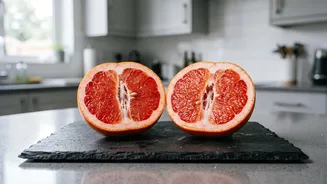
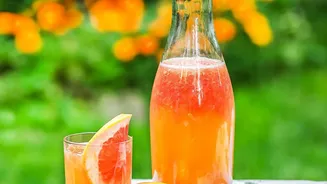
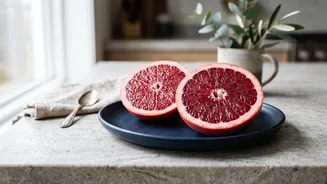
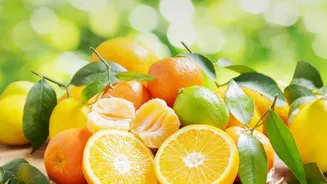
The phenomenon is often called the 'grapefruit effect', but it's not limited to just that one fruit. Several popular citrus fruits, including grapefruit, pomelos, limes, and Seville oranges (often used in marmalades), contain a class of chemical compounds
called furanocoumarins. These natural compounds are the source of the problem. While they are harmless on their own, they can wreak havoc when mixed with many common medications. The interaction doesn't happen with all citrus; common sweet oranges (like Valencia or Navel) and lemons are generally considered safe. The issue lies specifically with the fruits that produce significant amounts of furanocoumarins.
Decoding the Hidden Chemistry
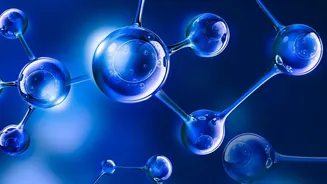
To understand the interaction, think of your body having a 'drug-processing crew'. This crew is made up of enzymes, and a particularly important one located in your gut and liver is called CYP3A4. Its main job is to break down, or metabolize, a huge number of medications before they enter your bloodstream. This process is essential for ensuring you get the correct, intended dose of your medicine. When you drink grapefruit juice or eat an interacting fruit, the furanocoumarins get to work blocking this CYP3A4 enzyme. They essentially shut down the drug-processing crew in your intestines, preventing them from doing their job.
More Drug, More Problems
With the CYP3A4 enzyme inhibited, the medication you take orally isn't broken down as it should be. Instead of a controlled amount entering your system, a much larger dose gets absorbed directly into your bloodstream. This can dramatically increase the concentration of the drug in your body, sometimes to the equivalent of taking multiple pills at once. The result isn't a stronger therapeutic effect; it's a potential overdose. This can lead to a range of serious side effects, including kidney damage, dangerous heart rhythms, muscle breakdown, and respiratory issues, depending on the specific drug. Even a single glass of juice can trigger this effect, and it can last for over 24 hours, so simply separating the juice and medication by a few hours is not a safe solution.
Which Medications Are at Risk?
The list of drugs affected by this interaction is long and continues to grow, currently including more than 85 different medications. It's crucial to know if your prescription is on the list. The most common categories of interacting drugs include: certain statins for lowering cholesterol (like atorvastatin and simvastatin), some blood pressure medications (calcium channel blockers like nifedipine), immunosuppressants used by organ transplant patients, and some anti-anxiety and antidepressant medications. Even some common antihistamines can be affected. Because the list is so extensive and specific, it's impossible to memorize. The risk is highest for drugs that are taken orally and have what's called a 'low therapeutic index', meaning the line between a safe dose and a toxic one is very thin.
Your Effortless Protection Plan
Protecting yourself from this dangerous interaction is surprisingly simple. This is the 'effortless' part of the equation. First, make it a habit to read the patient information leaflet and any warning labels that come with your medication. These documents are required to state if you should avoid grapefruit or its juice. Second, and most importantly, turn your doctor and pharmacist into your safety partners. Whenever you are prescribed a new medication, ask them directly: 'Is it safe to have grapefruit or other citrus juices with this drug?' They are the most reliable source of information for your specific situation. If an interaction exists, the safest course of action is to completely avoid the offending fruits and juices for the entire time you are on the medication. There is no 'safe' amount, so avoidance is the only guaranteed protection.