




Start With a Clean Slate
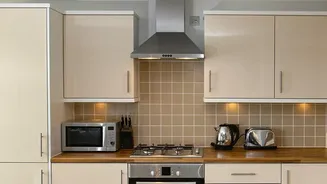
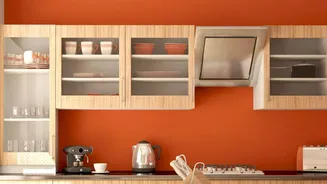
Before new items come in, give your kitchen a quick refresh. You don’t need to deep clean, just reset the main surfaces to a functional starting point. This means clearing the counters, loading and running the dishwasher, and giving the sink a quick scrub.
A tidy environment can lower stress and provides a visual “fresh start” that makes the next steps feel less like chores and more like acts of self-care. Walking into a clear space removes the immediate obstacle of a mess, making it easier to feel motivated and in control.
Take a 'Use It Up' Inventory
One of the most crucial steps happens before you even make a grocery list: checking what you already have. Look through your fridge, freezer, and pantry, and make a note of ingredients that need to be used soon. This simple audit is your best defense against food waste and overspending. Did you buy a head of cabbage for one recipe? Plan another meal to use the rest. Is there a half-empty jar of sauce? Build a pasta night around it. This practice ensures your purchases are intentional, not random.
Plan Your Meals Flexibly
With your inventory in hand, you can map out the week's meals. A meal plan gives every ingredient you buy a specific job. However, rigidity is the enemy of a sustainable routine. Instead of assigning a specific meal to each day, try listing five to six dinner ideas for the week. This allows you to choose what you’re in the mood for each night, while still ensuring you have all the necessary components. Remember to account for leftovers, which can cover a lunch or another dinner.
Unpack with Purpose
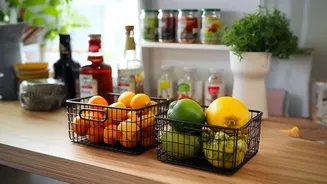
This is where “opening packs” comes in, but with more strategy. As you unpack your groceries, think about making your future self’s life easier. This is the time for what home organizers call “task batching.” Wash and dry your fruits and greens all at once. Chop vegetables like onions, carrots, and peppers that you’ll need for the first few days of the week. You can even portion out proteins or snacks into grab-and-go containers. This 20-minute effort post-shopping dramatically cuts down on daily prep time and makes healthy choices easier.
Prep Components, Not Just Meals
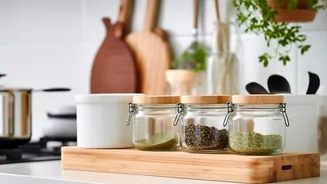
Full-scale meal prepping—cooking entire dishes for the week—can be daunting. A more approachable method is to prep components. Cook a large batch of a versatile grain like quinoa or rice. Make one homemade dressing that can be used on salads and grain bowls. Hard-boil a few eggs for quick snacks or to add to a lunch. These prepared components act as building blocks, allowing you to assemble fresh, varied meals in minutes without the monotony of eating the same pre-cooked dish all week.
Reset Your 'Action Stations'
Finally, reset the high-traffic zones in your kitchen. This is about making daily routines seamless. Refill the coffee or tea station. Restock a snack drawer or basket with the newly portioned snacks. Create a dedicated shelf in the fridge for lunch items, making it easy for family members to pack their own bags. Ensuring these key areas are stocked and organized removes small points of friction throughout the day, which adds up to a much smoother and less stressful week.