
What is Friselle?
Hailing from the sun-drenched southern regions of Italy like Puglia, Campania, and Calabria, friselle (or freselle) are hard, ring-shaped breads made from simple ingredients like durum wheat or barley flour, water, yeast, and salt. At first glance, they
look like a rustic, oversized, and incredibly hard bagel. This toughness is not a flaw; it is their greatest feature. The bread is intentionally baked to a bone-dry, crunchy state, a process that gives it a remarkable shelf life. This durability turned a humble peasant food into a timeless pantry staple.
The Genius of the Double Bake
The secret to friselle's longevity lies in its preparation: a double baking process that has been perfected over centuries. First, the dough is shaped into rings and baked until it's cooked through but still relatively soft. The rings are then removed from the oven, cooled slightly, and sliced horizontally in half. These halves are then baked for a second time at a lower temperature. This long, slow second bake is the crucial step, as it draws out nearly all the moisture from the bread. Without water, mould and bacteria have no environment in which to grow, effectively preserving the bread naturally. This is the same principle behind other twice-baked goods like biscotti, and it's a technique that predates refrigeration by millennia.
A Food Born from the Sea
The history of friselle is deeply intertwined with the Mediterranean Sea. Its origins can be traced back to at least the 10th century, where it served as the perfect food for sailors, fishermen, and travelling merchants. These long sea voyages required provisions that wouldn't spoil. Friselle's ring shape was practical, allowing them to be strung onto ropes for easy storage on crowded ships. Its durability meant sailors had a reliable source of carbohydrates for months. They would often soften the rock-hard bread by dipping it directly into seawater before dressing it with a bit of olive oil. It was also known as 'Crusader bread' for its role in sustaining Christian troops on long journeys to the Holy Land.
How to Enjoy This Ancient Bread Today
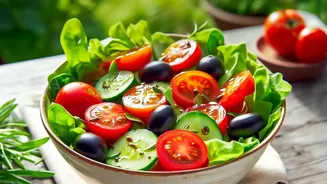
Eating friselle requires a simple but essential ritual to bring it back to life. Because they are so hard, they are never eaten dry. The bread must first be rehydrated, a process called 'sponzatura'. This is done by quickly dipping the frisella in a bowl of cold water for a few seconds—just long enough to soften it without it becoming mushy. Once softened, the possibilities are endless. The classic and most beloved topping is a simple mix of chopped fresh tomatoes, a generous drizzle of extra virgin olive oil, salt, and a sprinkle of oregano. The rough, porous surface of the bread is perfect for soaking up the tomato juices and oil, creating a dish that is simultaneously crunchy, soft, and bursting with flavour. Other popular toppings include avocado, mozzarella, anchovies, or various cheeses.
A Timeless Lesson in Sustainability
In an era focused on reducing food waste and seeking sustainable solutions, friselle offer a delicious lesson from the past. Born from 'cucina povera'—the 'poor kitchen' or peasant cooking tradition of Italy—it represents a philosophy of making the most of simple ingredients and ensuring nothing is wasted. Properly stored in an airtight container away from light and moisture, friselle can last for many months, some bakers claim up to a year. This makes them an ideal emergency pantry item, far more appealing than many modern survival foods. It’s a testament to the ingenuity of past generations who mastered food preservation long before modern technology existed.