
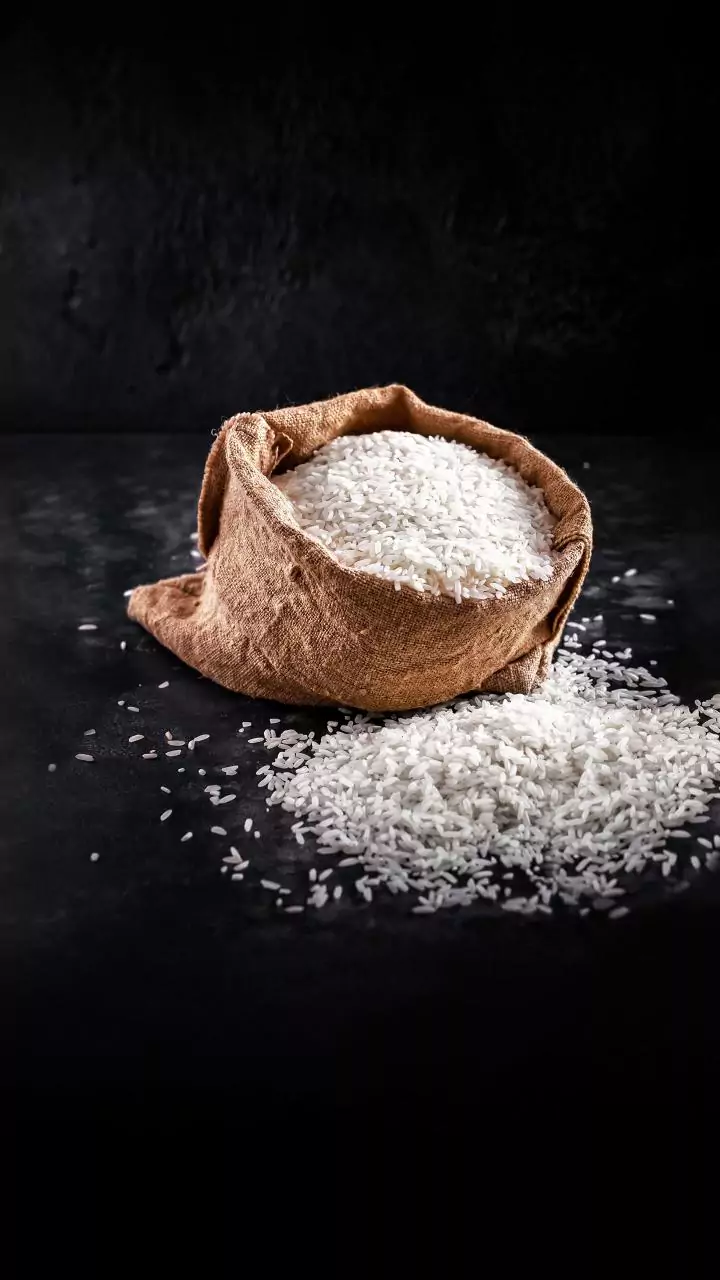



The Promise in Paddy Waste
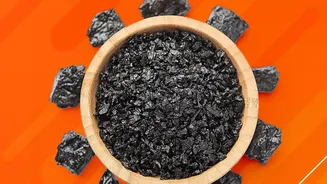
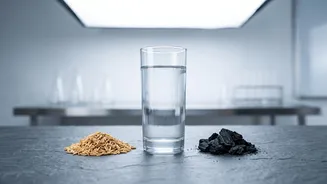
The answer lies in something called bio-char. It's a black, carbon-rich material that looks a lot like charcoal. It’s created by heating organic matter, like agricultural waste, in a low-oxygen environment through a process called pyrolysis. The source
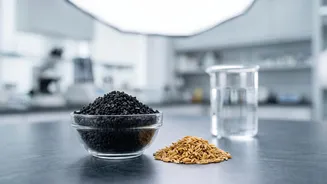
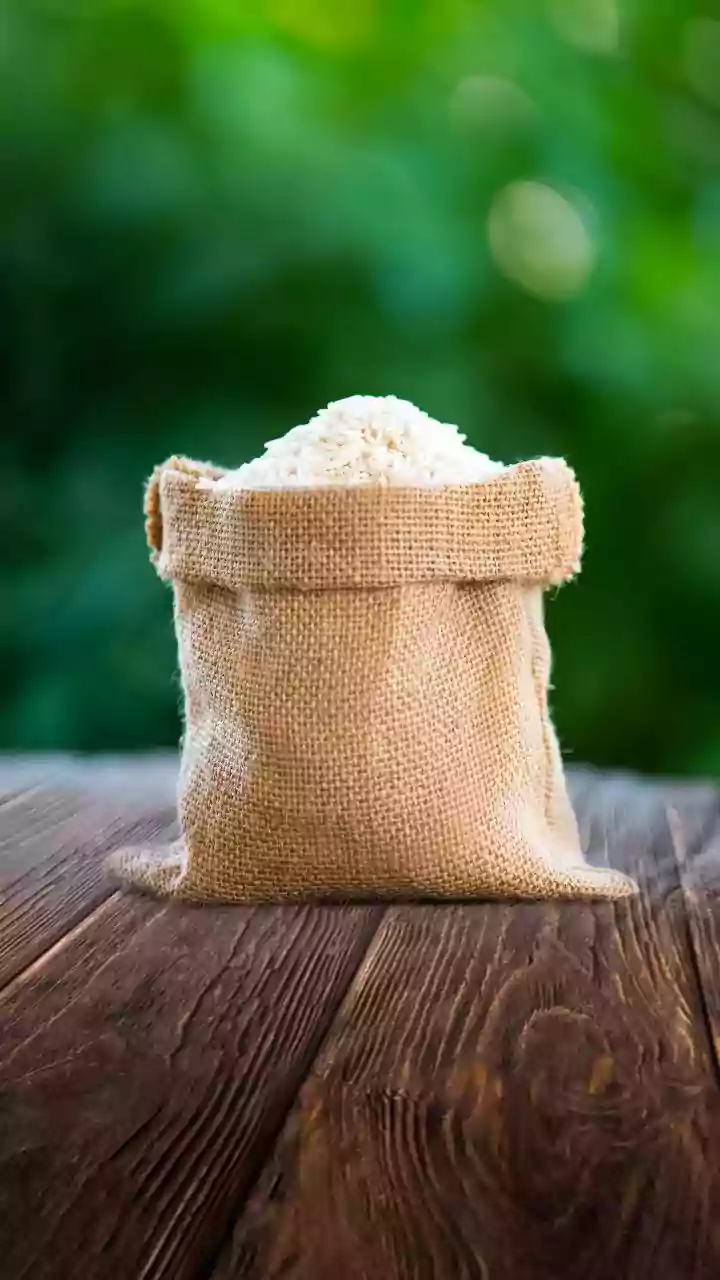
material can be anything from wood chips to manure, but one of the most promising is rice husk. India is a major rice producer, and the husks are often discarded or burned, creating pollution. Transforming this abundant waste into bio-char offers a chance to create a valuable resource from something that was previously a problem.
How Bio-char Cleans Water
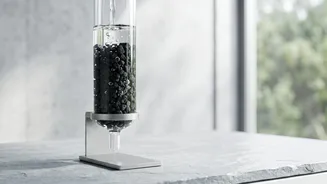
The magic of bio-char lies in its incredibly porous structure. Under a microscope, it’s a network of tiny pores and channels, which creates a massive internal surface area. When contaminated water passes through a bio-char filter, this structure works like a sponge with special powers. The process is called adsorption, where pollutants physically stick to the bio-char's surface instead of remaining in the water. Its surface also has a natural electrical charge that helps it attract and trap contaminants like heavy metals, including lead and arsenic, as well as organic pollutants like pesticides and industrial chemicals.
Why Rice Husks are a Game-Changer
While many types of biomass can be used, rice husks are particularly effective. They are rich in silica, which contributes to the final bio-char's hardness and high adsorption capacity. Globally, over 150 million tons of rice husks are generated annually, making them a readily available and extremely cheap raw material. The production process can be done using relatively simple, low-tech methods, making it accessible even for small communities or local entrepreneurs without needing massive industrial facilities. This avoids competition with food sources and provides a sustainable outlet for agricultural residue.
A Truly Low-Cost Solution
The high cost of modern water filtration is a major barrier for many communities. Bio-char made from rice husks presents a far more economical alternative. The raw material is essentially free agricultural waste. While industrial pyrolysis plants exist, effective bio-char can be produced with simple kilns or even DIY setups, reducing the initial investment cost. This makes it a decentralized and sustainable option, empowering local communities to manage their own water purification. Compared to energy-intensive commercial activated carbon, which is often derived from fossil fuels, rice husk bio-char is an environmentally friendly and affordable substitute.
Challenges and the Path Forward
Despite its potential, scaling up the use of rice husk bio-char for urban water treatment faces hurdles. One major challenge is ensuring consistent quality. The effectiveness of bio-char depends on the pyrolysis temperature and process, so establishing standards is crucial for reliable performance. Further research is also needed to understand its long-term stability and how to best manage the 'spent' bio-char once it has adsorbed its limit of contaminants. However, pilot projects and research initiatives in states like Karnataka and Maharashtra are already exploring its applications, paving the way for wider adoption. With supportive policies, this technology could become a key part of India's strategy for achieving water security.