

The Monsoon's Wild Harvest
The connection between the Indian monsoon and wild fungi is as old as the hills they grow on. For generations, indigenous communities across the country have relied on deep, ancestral knowledge to forage for these seasonal delicacies. This isn’t a casual
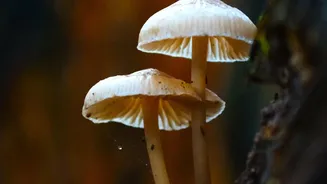
stroll; it's a practice steeped in tradition, where foragers know exactly when and where to look, guided by the appearance, smell, and location of these fleeting treasures. From the foothills of the Himalayas to the dense forests of the Western Ghats and the eastern plateau, the rains trigger a spectacular, brief fruiting of fungi that simply cannot be commercially farmed. This hyper-local, seasonal bounty has long been a vital part of regional diets, but now it's capturing the imagination of a much wider audience.
The Stars of the Season
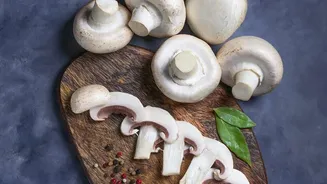
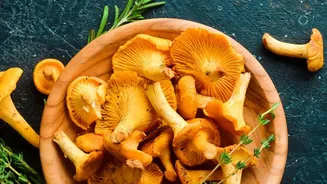
Forget the button mushroom. The stars of the monsoon are wild, flavourful, and often have fascinating stories. In Goa and along the Konkan coast, the most prized variety is the Roen Olmi, a species of Termitomyces that grows exclusively on termite hills. These meaty mushrooms are considered a monsoon essential in many Goan homes. In Jharkhand, local tribes forage for Rugra, a pebble-like mushroom with a tough exterior and a soft centre, often called 'vegetarian mutton' for its texture. Further north, the Himalayas give us the legendary Gucchi, or Morel mushroom. Known for its spongy, honeycomb cap and deep, earthy flavour, the Gucchi is one of the world's most expensive mushrooms, as it must be painstakingly foraged from the wild after the snow melts.
A Chef's Delight
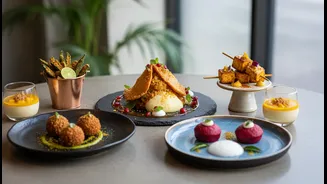
This ancient foraging tradition is now fuelling a modern culinary trend. Top chefs across India’s urban centres are embracing this hyperlocal revival, building relationships with local foragers to bring rare, wild mushrooms to fine-dining tables. This 'forest-to-plate' movement is about more than just novel ingredients; it's a celebration of India's incredible biodiversity and culinary heritage. Restaurants in Mumbai, Delhi, and Bengaluru are crafting special monsoon menus that showcase these fungi. You might find a traditional Goan Olmi Xacuti, a rich curry typically made with chicken, or a luxurious Gucchi Pulao, where the mushroom's flavour can truly shine. Some chefs are getting even more creative, incorporating these earthy flavours into everything from stir-fries to delicate soups, allowing diners to experience a taste of the wild in the heart of the city.
Forage with Extreme Caution
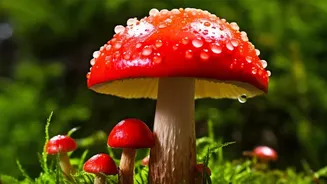
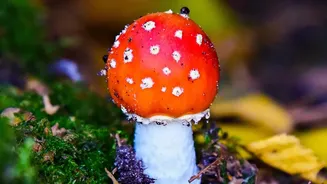
The romance of foraging comes with a serious, non-negotiable warning: identifying wild mushrooms is a task for experts only. Many poisonous, and even deadly, mushrooms look strikingly similar to edible varieties. Species from the Amanita genus, for instance, are responsible for the vast majority of fatal mushroom poisonings worldwide. The toxins can cause irreversible liver and kidney damage, and symptoms may not appear until it's too late. Traditional knowledge held by local communities is extensive, but even experienced foragers can make mistakes. Overharvesting is another growing concern, threatening both the delicate forest ecosystems and the future availability of these fungi. For the curious home cook, the safest way to enjoy these delicacies is to buy them from a trusted, knowledgeable vendor at a local market rather than attempting to forage on your own.