

A Moving Canvas Painted by the Monsoon
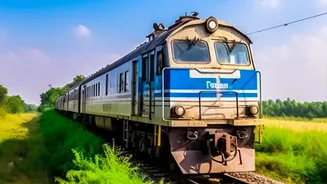
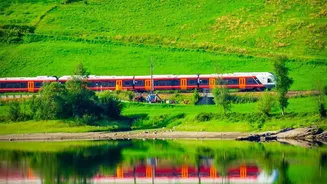
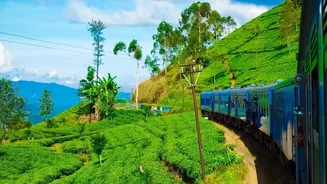
There's a unique magic to the Indian landscape when the monsoon arrives. What was dusty and sun-baked just weeks before transforms into a vibrant spectacle of green. A train journey during this season isn't just travel; it's a front-row seat to nature's
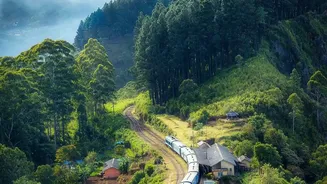
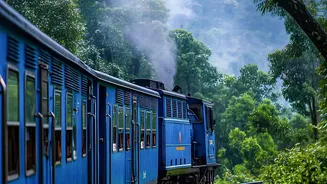
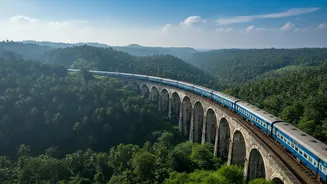
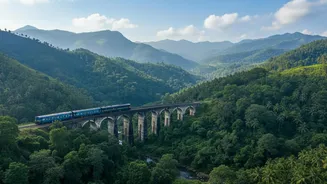
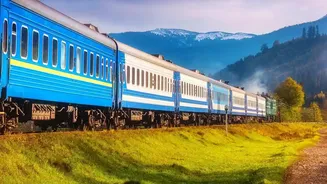
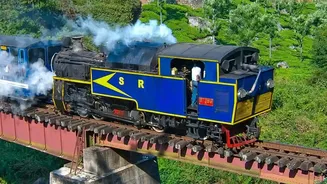
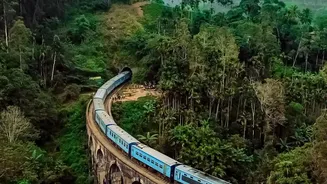
most dramatic performance. Routes like the Konkan Railway, which connects Mumbai to Goa, become passages through paradise. The train snakes through the Western Ghats, where every turn reveals waterfalls cascading down hillsides, rivers swollen with rainwater, and paddy fields glowing with an almost electric green. Similarly, the heritage toy trains to hill stations like Shimla, Ooty, and Darjeeling offer an even more intimate experience. As the narrow-gauge train slowly climbs, you pass through pine forests shrouded in mist and across colonial-era bridges that hang over roaring streams, turning the journey itself into the destination.
The Joy of Slowing Down
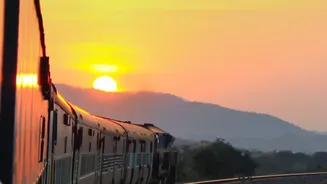
In a world obsessed with speed and efficiency, the slow, deliberate pace of a train is a radical act of self-care. It’s an embrace of ‘slow travel,’ a philosophy that prioritises the journey over the destination. Unlike the sterile, detached experience of air travel, a train keeps you connected to the world you're moving through. You witness the gradual shift in landscapes, architecture, and cultures. This pace forces you to unplug. With spotty mobile networks in deep valleys, the temptation to scroll disappears, replaced by the simple pleasures of reading a book, sharing snacks with fellow passengers, or just watching the world go by. It’s a forced digital detox that allows your mind to wander and reset, a rare luxury in our hyper-connected lives.
An Experience That’s Rich, Not Expensive
The phrase "low budget" often suggests compromise, but here it simply means smart, accessible travel. A second-class sleeper ticket on a long-distance train can cost a fraction of a budget airline ticket, leaving you with more to spend on experiences at your destination. Accommodation in many of these scenic locations, especially during the monsoon off-season, can also be more affordable. The cost of food is another major win. Instead of overpriced airport sandwiches, you can enjoy affordable and delicious meals, from railway caterers to vendors at station stops selling local specialities. A hot cup of chai and a plate of varki or bhajis as the train halts at a small, rain-drenched station is a core part of the experience and costs next to nothing.
Planning Your Monsoon Rail Adventure
Ready to hop aboard? A little planning goes a long way. Popular monsoon routes like the journey to see Dudhsagar Falls on the Goa line, the Nilgiri Mountain Railway to Ooty, or the Kalka-Shimla Railway get booked up fast, so reserve your tickets well in advance. Be aware that heavy monsoon rains can sometimes lead to delays or even suspensions, particularly on mountain lines prone to landslides, so it's wise to have a flexible mindset. Pack light, but smart: a warm layer for chilly mountain air, a waterproof jacket, and of course, a good book and a power bank. Some of the most beloved routes for a rainy-day ride include the Mumbai-Goa line for its coastal drama, the scenic ride from Bengaluru to Mangaluru through the Sakleshpur ghats, and the breathtaking journey from Kalka to Shimla.