





A Major Shift in Travel Mindsets
The perception of monsoon travel in India is undergoing a dramatic transformation. What was once considered a lean period for tourism, marked by discounted rates and low occupancy, is now emerging as a preferred window for getaways. This shift is largely
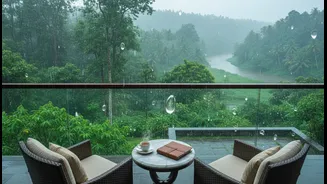
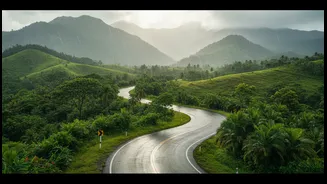
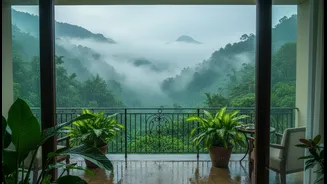
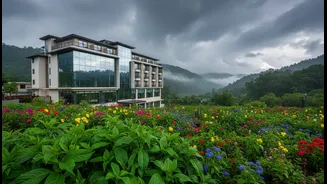
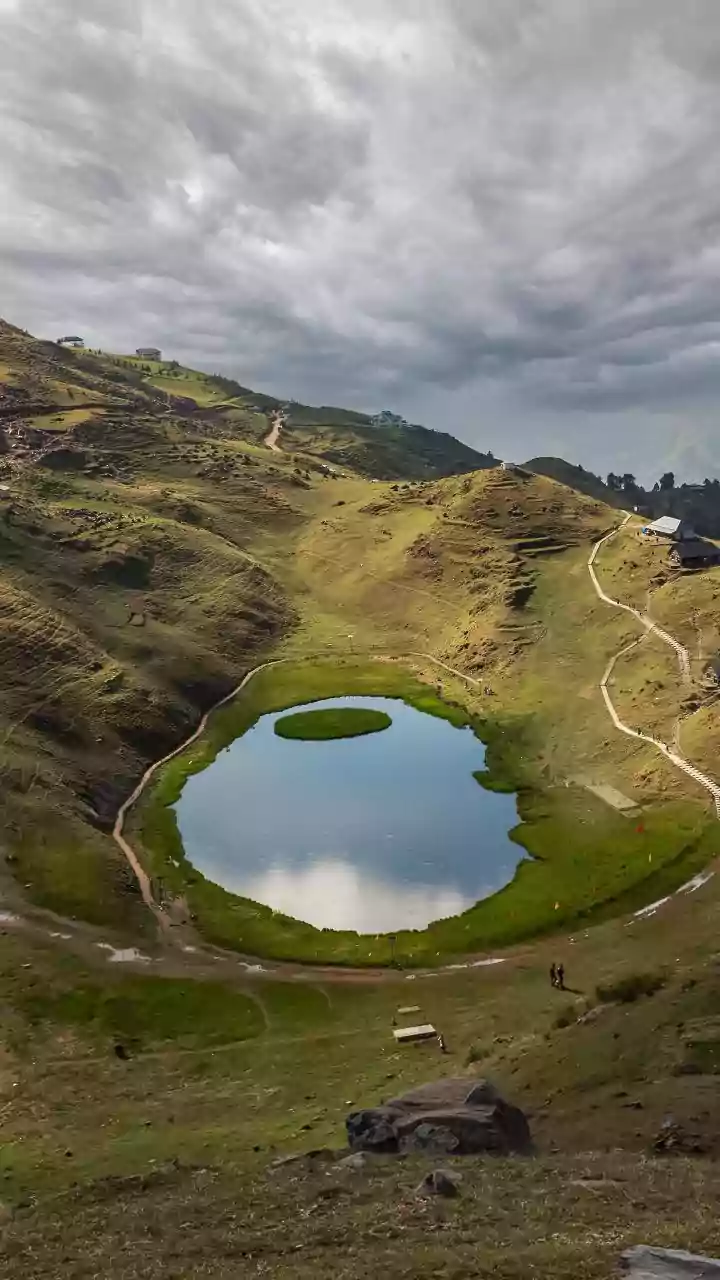
driven by domestic tourists who are moving beyond the idea of a single annual vacation, instead opting for multiple short breaks throughout the year. The appeal is clear: landscapes are reborn in vibrant shades of green, waterfalls cascade with full force, and popular destinations are blissfully free of the usual crowds. Social media has also played a significant role, with images of mist-shrouded mountains, lush coffee plantations, and cozy roadside cafes turning the rainy season into an aspirational travel experience.
The Hospitality Industry Takes Notice
India’s hotel industry is enthusiastically embracing this trend. Major hotel groups are reporting significant year-on-year growth in bookings for the monsoon months. Radisson Hotel Group, for instance, noted that its July bookings are pacing nearly 10% ahead of last year. Similarly, Indian Hotels Co Ltd (IHCL) has seen a 15-17% jump in bookings in popular destinations like Goa. This sustained demand means that the deep discounts of previous years are becoming less common. Instead of just surviving a low season, hotels are now creating specialised monsoon packages, promoting wellness retreats, and curating local culinary experiences to attract travellers. According to travel platform Scapia, some destinations like Munnar and Mussoorie have seen a nearly tenfold increase in hotel bookings compared to last year.
Popular Destinations for a Rainy Retreat
Across the country, certain destinations come alive during the monsoon. In the south, Kerala's backwaters and hill stations like Munnar and Wayanad are perennial favourites, offering lush greenery and rejuvenated nature. Coorg in Karnataka, known as the 'Scotland of India,' becomes a misty paradise of coffee plantations and roaring waterfalls. In the west, Goa sheds its party image for a more tranquil vibe, with verdant landscapes and swollen rivers. Even Rajasthan offers a unique experience, as destinations like Udaipur and Mount Abu see their lakes fill up, casting a romantic spell over the desert state. In the north, hill stations like Shimla, Mussoorie, and Nainital are drawing crowds with their cool weather and cloud-covered vistas.
Work, Travel, and a Cup of Chai
The trend also aligns perfectly with the rise of flexible work schedules. The concept of a 'workation' has found a perfect match in the monsoon, with professionals swapping their city apartments for serene homestays and resorts. Destinations like Coorg, Wayanad, and even South Goa are popular for their blend of natural beauty and reliable internet connectivity. For many, the rainy season offers an ideal work environment: a soothing soundtrack of falling rain, pleasant temperatures, and the opportunity to unwind with scenic walks after the workday is done. This has created a new, valuable demographic for hoteliers, who are now offering long-stay packages with all the necessary amenities for a productive yet peaceful retreat.
A Word on Safe and Responsible Travel
While the allure of a monsoon trip is strong, it's essential to travel responsibly. The season can bring challenges, including slippery roads, landslides in hilly regions, and swollen rivers. Government tourism bodies advise travellers to stay updated on weather forecasts and local advisories. It's crucial to confirm transport schedules, which can be affected by heavy rain, and to follow safety instructions, especially near waterfalls and on trekking routes. Packing waterproof gear, quick-drying clothes, and appropriate footwear is a must. By taking these simple precautions, travellers can safely enjoy the unique magic that the Indian monsoon has to offer.