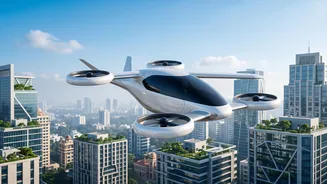





What are eVTOLs or Flying Taxis?
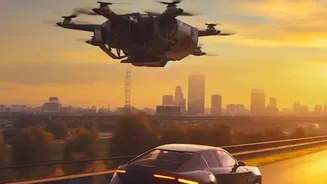
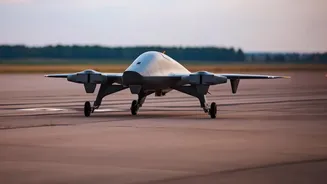
Imagine a large, sleek drone, quiet enough to operate in a city, capable of carrying several passengers. That's essentially an eVTOL, which stands for electric Vertical Take-off and Landing aircraft. Unlike helicopters, these vehicles are powered by electricity,
making them significantly quieter, more energy-efficient, and environmentally friendly. They take off and land vertically like a helicopter, which means they don't need long runways. Instead, they can operate from small, designated pads called 'vertiports', which could be located on rooftops of buildings, malls, or metro stations. This flexibility is key to their potential role in urban transport.
The Key Players Entering the Race
The push for air taxis in India isn't just a concept; major companies are making serious moves. InterGlobe Enterprises, the parent company of IndiGo, has partnered with US-based Archer Aviation to launch an all-electric air taxi service. Their plan involves bringing 200 of Archer’s 'Midnight' aircraft to India, which can carry four passengers plus a pilot. Initially, services are planned for Delhi, Mumbai, and Bengaluru. Alongside this international collaboration, homegrown startups are also making significant strides. Bengaluru-based Sarla Aviation and Chennai's The ePlane Company are developing their own eVTOL aircraft. Sarla Aviation, which has already received a Design Organisation Approval from the Directorate General of Civil Aviation (DGCA), is working on a six-passenger air taxi. The ePlane Company is taking a slightly different approach, initially focusing on developing an air ambulance before moving into the passenger taxi market.
A 7-Minute Ride to Beat 90-Minute Traffic
The most compelling advantage of air taxis is the incredible time savings. The proposed InterGlobe-Archer service in Delhi aims to connect Connaught Place to Gurugram in approximately 7 minutes—a journey that currently takes 60 to 90 minutes by car during peak hours. Similarly, Sarla Aviation estimates a trip from Bengaluru's airport to Electronics City could be cut from over 90 minutes to just 19 minutes. The goal is to make this service competitive with ground-based premium taxi services. While early fares will be at a premium, volume and operational efficiency are expected to bring costs down over time. Civil Aviation Minister Ram Mohan Naidu has stated the government's ambition to see these electric air taxis operational in India by 2028, transforming urban mobility.
The Hurdles on the Horizon
Despite the excitement, the road to a sky full of air taxis is paved with challenges. The primary hurdle is regulation. The DGCA is actively working on a framework covering everything from aircraft certification to pilot licensing and vertiport standards. Ensuring the absolute safety of these new aircraft is paramount. Infrastructure is another major challenge. Cities will need a network of vertiports for take-off and landing, which requires significant investment and urban planning. Integrating these low-flying vehicles into already busy airspace, managing air traffic, and ensuring they don't interfere with conventional aircraft will require sophisticated new air traffic management systems. Finally, public acceptance and affordability will be crucial for widespread adoption.