





The Rise of Vertical Protection
For urban gardeners, especially in India, the balcony is prime real estate for cultivating a slice of nature. However, the joy of a green balcony comes with the responsibility of protecting it. Intense monsoons can batter plants, while water runoff can stain
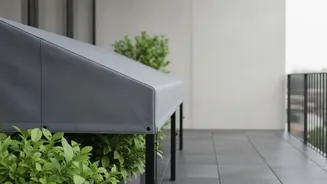
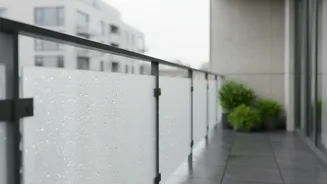
walls and cause structural issues. Vertical waterproofing covers are an elegant and practical solution. This isn't one specific product, but rather a category of systems designed to shield your balcony from the elements. Think of them as raincoats for your balcony garden. These systems are often modular, meaning they are flexible and can be adapted to fit the unique dimensions of small or unconventional spaces. The core idea is to create a vertical barrier that stops rain and wind without completely enclosing the space, preserving the open-air feeling of your balcony.
Why Your Balcony Needs a Cover
The benefits of installing a vertical cover go beyond just keeping your plants dry. During heavy downpours, they prevent soil from splashing out of pots, keeping your balcony floor clean. Most importantly, they protect the building's structure. Constant exposure to water can lead to peeling paint, damp walls, and over time, more severe structural damage. For renters and apartment owners, this is a crucial consideration. Furthermore, these covers can shield plants from harsh winds that can break stems and damage leaves. For those in high-rise buildings, wind protection is just as important as rain protection. A good cover also helps moderate the environment, protecting sensitive plants from the sheer force of a monsoon downpour while still allowing for ventilation and light.
Exploring Your Modular Options
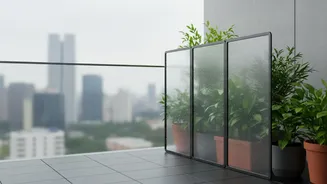
The beauty of modular vertical covers lies in their variety and adaptability. One of the most popular options is the transparent PVC or vinyl roller blind. These are essentially heavy-duty plastic sheets that can be rolled down during rain and rolled up in fair weather. They offer excellent water resistance while allowing sunlight to pass through, which is vital for plant health. Another option is using durable, clear tarpaulins with grommets (eyelets) that can be hooked into place when needed. For a more permanent but still flexible solution, some opt for retractable glass or acrylic panels. These systems offer maximum protection and can effectively turn your balcony into a sunroom during bad weather. The key is to choose a system that matches your needs, budget, and how much flexibility you desire.
Key Features to Look For
When selecting a vertical waterproofing cover, a few key features make a significant difference. The material is paramount. Look for options that are UV-resistant to prevent them from becoming brittle and discoloured in the sun. The thickness of the material, often measured in mils or GSM, will determine its durability and resistance to tearing. For plant health, transparency is a major factor; clear materials allow around 80% of light to penetrate, ensuring your plants don't suffer. Also, consider the ease of installation and operation. Roll-up systems with simple mechanics are great for daily use. Finally, ensure there is a mechanism for securing the bottom of the cover to prevent it from flapping and breaking in high winds.
Installation and Maintenance
Most modular vertical covers are designed for easy, DIY-friendly installation. Roller blinds typically come with brackets that can be mounted to the ceiling or upper wall of the balcony. Tarpaulin systems can be secured using hooks and tension cords. Regardless of the system, a secure fitting is essential to withstand windy conditions. Maintenance is generally straightforward. A simple wipe-down with a damp cloth is usually all that's needed to keep PVC or vinyl covers clean. It's a good practice to periodically check that all fittings are secure, especially before the start of the monsoon season. When not in use for extended periods, such as during dry seasons, rolling up or storing the covers will significantly extend their lifespan.