

A Star's Ghostly Remains
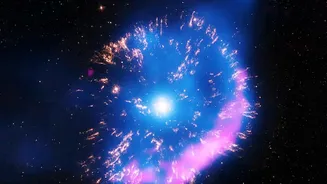
To understand how a planet might get a second chance, we first have to understand how its star dies. For stars like our own Sun, the end comes not with a bang, but a slow, dramatic transformation. After billions of years of burning hydrogen, the star swells
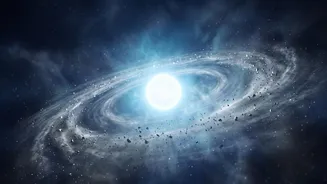
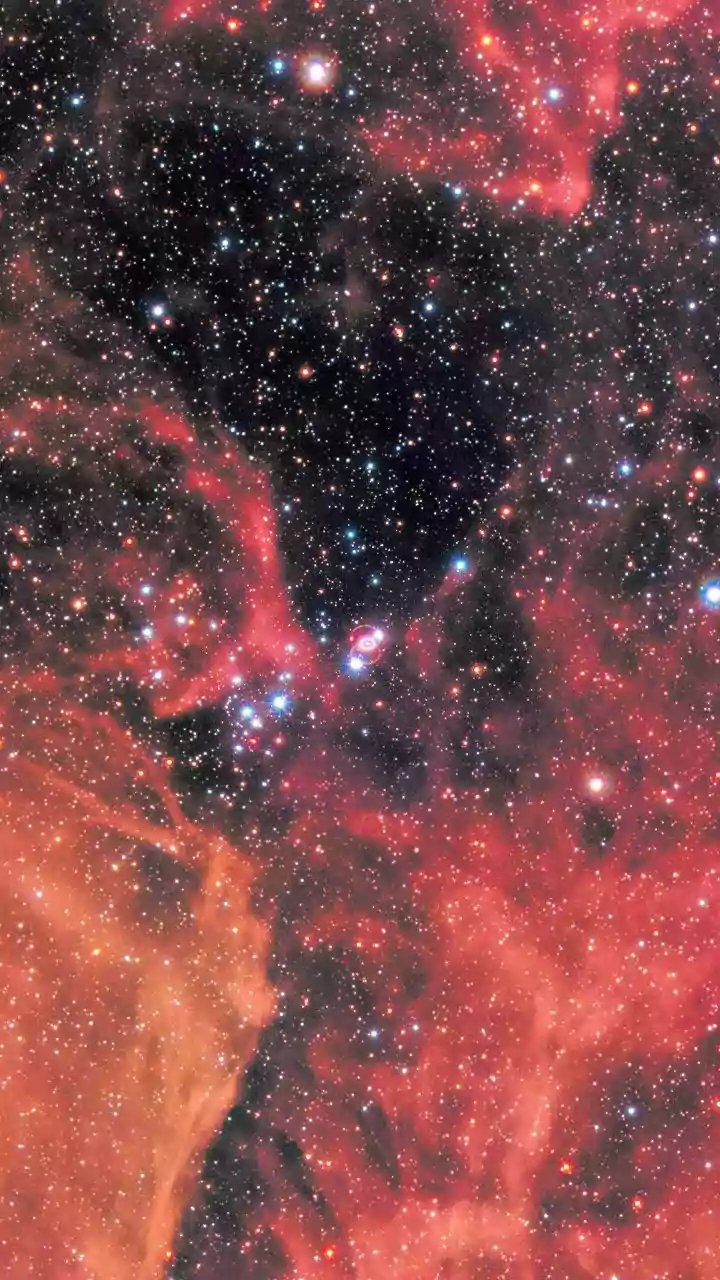
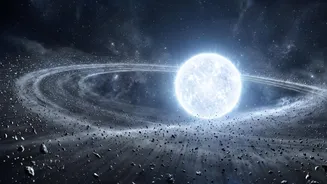
into a massive red giant, often engulfing any inner planets. Eventually, this giant sheds its outer layers of gas and dust, leaving behind a small, incredibly dense, and hot core called a white dwarf. This stellar remnant is essentially the ghost of the star that once was, a glowing ember in the cosmic graveyard. For a long time, it was assumed that this violent process spelled the final end for any planetary system.
The Phoenix Planet Hypothesis
Recently, astronomers have found compelling evidence that challenges this assumption. The focus of the new research is a white dwarf named HS 0209+0832, located about 270 light-years away. By re-analyzing data from the Hubble Space Telescope that was over two decades old, researchers from the University of Warwick identified something strange in the white dwarf's atmosphere. It contained unusually high levels of heavy elements like zinc, copper, and especially niobium—an element forged only during the final, violent stages of a star's life. This chemical fingerprint was a stunning clue. It suggested that the material 'polluting' the white dwarf wasn't from a surviving first-generation asteroid, but from the star's own ashes.
Forging a World From Ashes
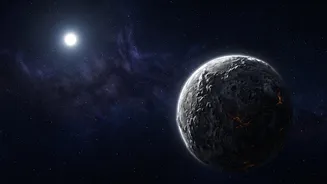
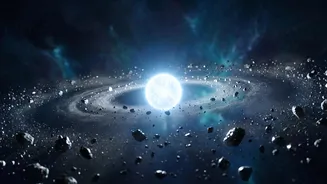
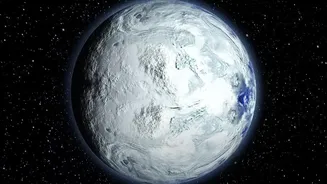
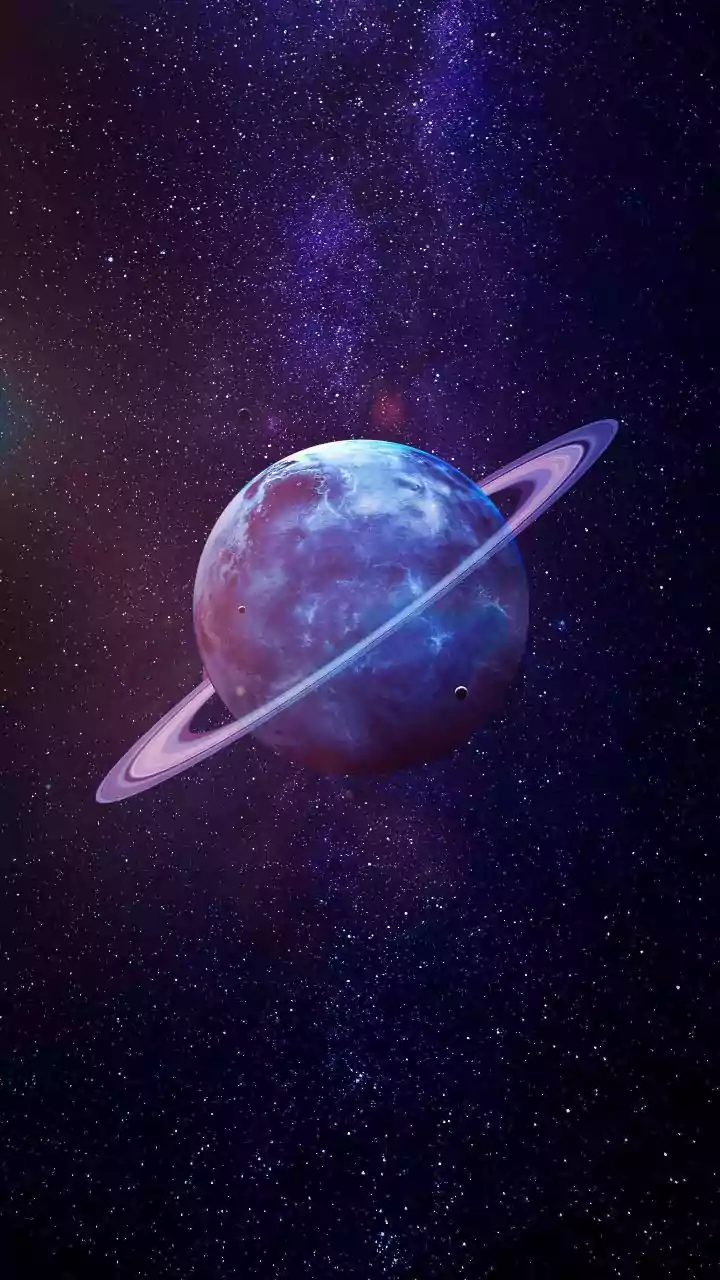
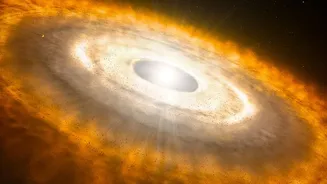
This leads to a breathtaking theory: a 'second-generation' or 'phoenix' planet may have formed from the debris the star ejected as it died. The material that the star shed didn't just dissipate into space. Instead, it may have formed a new protoplanetary disk—a swirling ring of gas and dust—around the white dwarf. From this cosmic recycling plant, a new planet could condense and grow. This is what astronomers mean by a world 'forming twice'—not the same physical planet, but a new one emerging in a system that was thought to be dormant. Evidence from NASA's TESS satellite supports this, hinting at a Jupiter-sized planet candidate orbiting the white dwarf every 4.4 days.
A New Frontier for Finding Planets
The discovery, if confirmed, would be revolutionary. While second-generation planets have been theorized to exist around pulsars (the remnants of much more massive stars), finding a candidate around a common white dwarf is a game-changer. It suggests that the end of a star’s life might just be the beginning of a new chapter of planet formation. These systems are likely rare and difficult to create; it might require a companion star or other body to help corral the ejected stellar material into a planet-forming disk. However, it opens up a new avenue for exploration. Astronomers can now search for the unique chemical signature of elements like niobium in other white dwarfs as a signpost for these reborn worlds.
Could These Worlds Host Life?
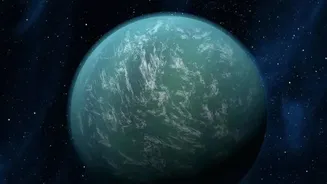
The question of life is never far from astronomers' minds. While the candidate planet around HS 0209+0832 is a gas giant being blasted by intense radiation from the hot young white dwarf, the long-term prospects are intriguing. As the white dwarf cools down over millions of years, the planet could eventually settle into a stable habitable zone where temperatures might allow for liquid water. It's a speculative but exciting thought. The existence of second-generation planets suggests the universe is more resilient and creative than we ever imagined, capable of building new worlds long after the first generation has turned to dust. The hunt is now on to find more of these phoenix systems and confirm that a star’s death is not an ending, but a new beginning.