


The Pre-Trip Vehicle Inspection
Before you even think about packing your bags, your car needs a thorough check-up. The demanding conditions of monsoon driving can turn minor issues into major hazards. Start with the four most critical areas: tyres, brakes, wipers, and lights. These
components are your first line of defence against wet and unpredictable roads. A visit to a trusted mechanic a week before your trip can help you identify and fix problems before they leave you stranded. Check the battery terminals for corrosion, as an ageing battery is more likely to fail in the damp conditions of the monsoon season. Also ensure all fluid levels—engine oil, coolant, and brake fluid—are at their recommended levels to prevent mechanical issues.
Tyres: Your Connection to the Road
Your tyres are the only part of your car in contact with the wet road, making their condition paramount for safety. On wet surfaces, worn tyres significantly increase the risk of aquaplaning, where a layer of water builds between the tyres and the road, causing a loss of traction. Experts recommend a minimum tread depth of 3mm for safe monsoon driving, which is more than the legal minimum of 1.6mm. An easy way to check this is with a one-rupee coin; if you can see the full edge of the coin when inserted into the groove, your tyres are too worn. Also, check the tyre pressure, including the spare. Incorrect pressure affects braking, handling, and fuel efficiency.
Visibility is Non-Negotiable
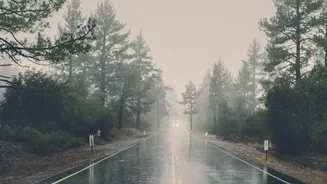
In heavy rain, visibility can drop dramatically. Your wipers, lights, and defogger are crucial for seeing and being seen. Wiper blades degrade in the summer heat, so if they leave streaks or make noise, replace them. It's an inexpensive fix that makes a world of difference. Top up your windshield washer fluid with a proper solution, not just water, as it helps clear oily grime from the road. Check all your lights: headlights, tail lights, brake lights, and fog lamps. Clean the lenses and replace any faulty bulbs. Your air conditioner is also a key safety feature, as it helps defog the interior of your windshield, clearing moisture from the air inside the cabin.
Pack a Monsoon Emergency Kit
Even with perfect preparation, things can go wrong. A well-stocked emergency kit can be a lifesaver. This kit should contain more than just a standard first-aid box. Essential items for a monsoon trip include a powerful torch with extra batteries, jumper cables, and a tow strap. Also pack rain gear like an umbrella and a raincoat, microfibre cloths for wiping foggy windows, and a power bank for your phone. It's wise to carry extra drinking water and non-perishable snacks in case you get stranded due to a breakdown or road closure. Finally, keep physical and digital copies of your car's documents and emergency contact numbers for roadside assistance and insurance.
Safe Driving on Wet Roads
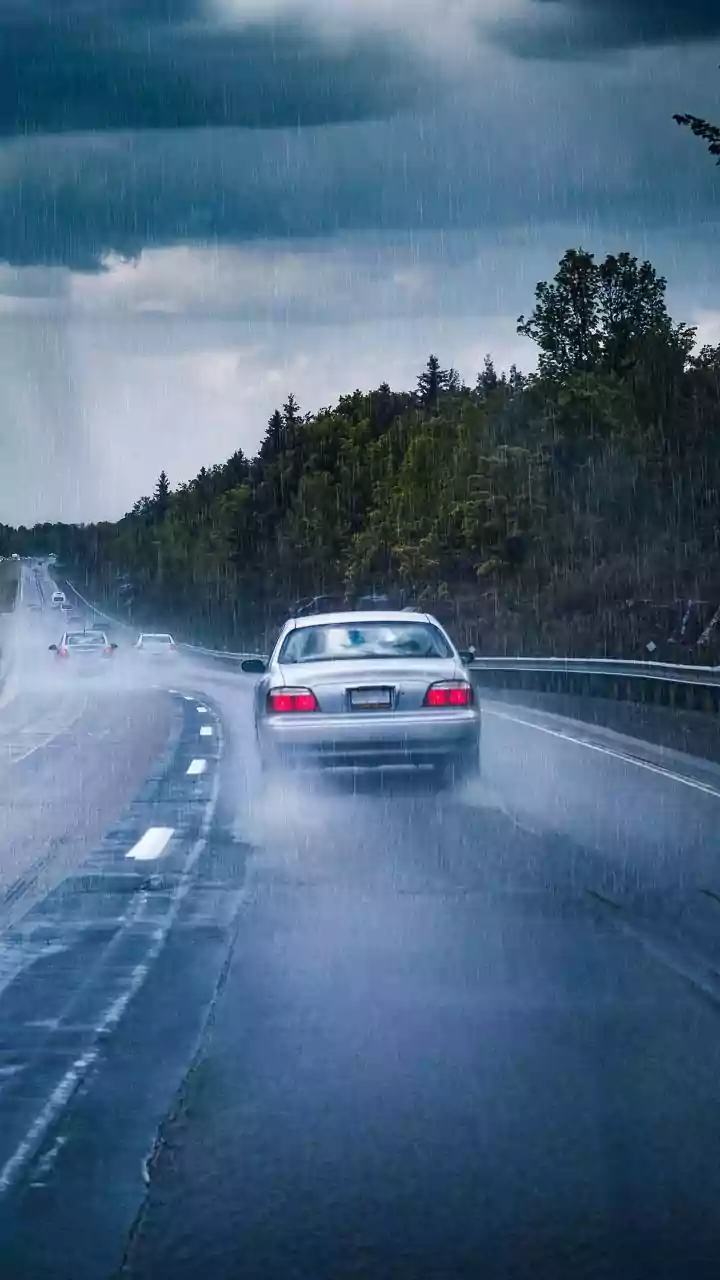
Once you are on the road, adjust your driving style for the conditions. The most important rule is to slow down. Wet roads increase braking distances, so maintain a greater distance from the vehicle in front of you. Avoid sudden braking or sharp turns, which can cause you to skid. Turn your headlights on to increase your visibility to other drivers, even during the day. Be extremely cautious of waterlogged areas. It’s often impossible to tell how deep the water is or what hazards, like open manholes or potholes, lie beneath. If you are unsure about the depth of a flooded street, it is always safer to find an alternative route. Planning to drive during daylight hours is also a safer bet, as visibility worsens significantly at night.
Plan Your Route and Stay Informed
Before you leave, check the weather forecast and latest traffic updates for your entire route. Apps like Google Maps can provide real-time information on traffic congestion and road closures. Hill stations and remote areas are particularly prone to landslides and flash floods during heavy rain, so be prepared to alter your plans if official warnings are issued. It's a good practice to share your itinerary and contact details with a friend or family member before you leave. Avoid last-minute plans, especially when heavy rainfall is predicted; it's better to delay a trip than to get stuck in a dangerous situation.