
A Hunger for Convenience, a Craving for Home
India's appetite for convenience food is growing at an impressive rate. Multiple market reports project a compound annual growth rate (CAGR) of over 14% in the coming years, with some estimates valuing the market at over USD 11 billion in 2025. This surge
isn't just a trend; it's a reflection of deep societal shifts. Rapid urbanisation, the rise of dual-income households, and the hectic schedules of young professionals have fundamentally changed daily routines. For millions, spending hours on traditional meal preparation is no longer feasible. This has created a massive demand for time-saving solutions. But unlike in many Western markets where convenience often meant generic, bland options, the Indian consumer has a different expectation. The demand is not just for quick meals, but for quick meals that taste like home. This powerful combination of a need for speed and a longing for comfort is the engine driving this entire sector.
The Winning Formula: Authentic Indian Tastes
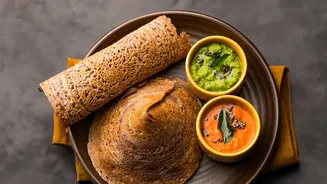
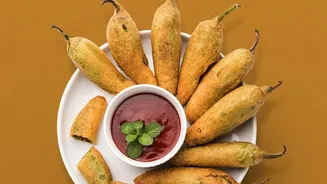
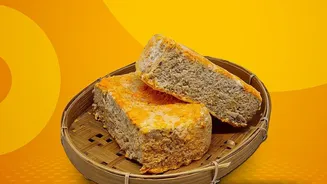
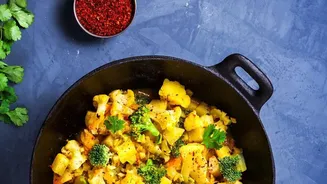
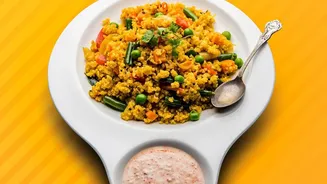
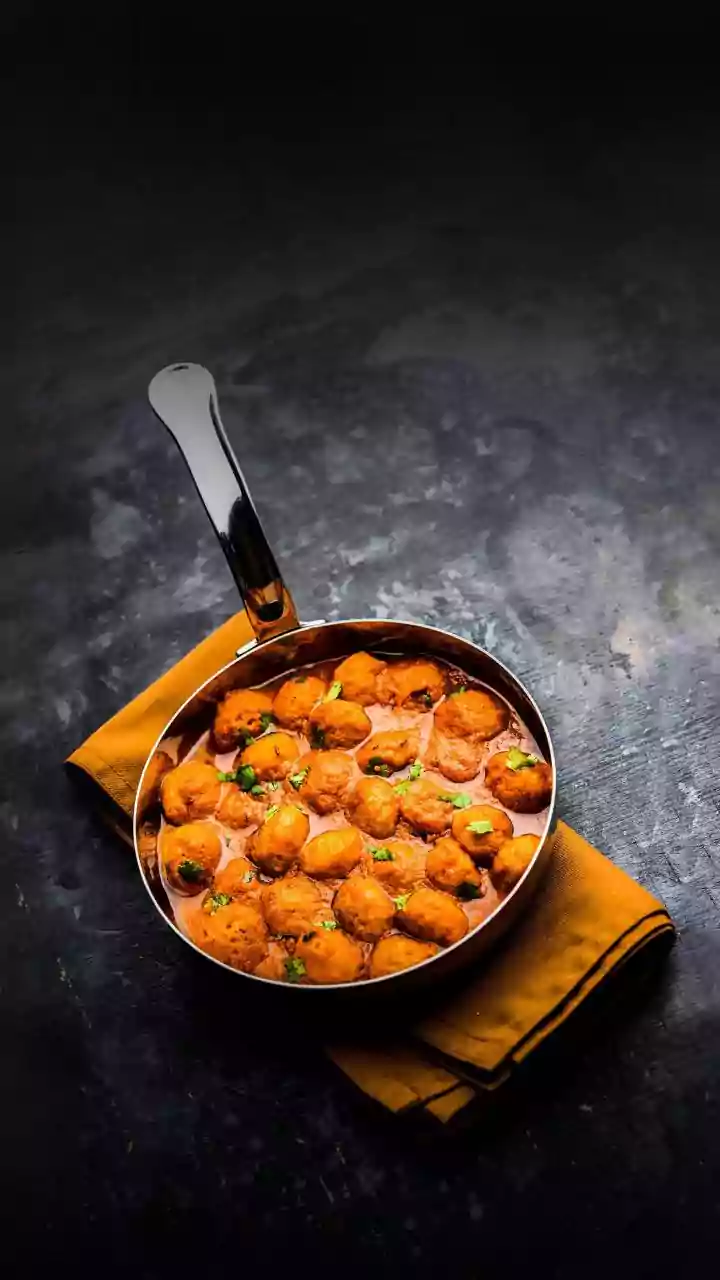
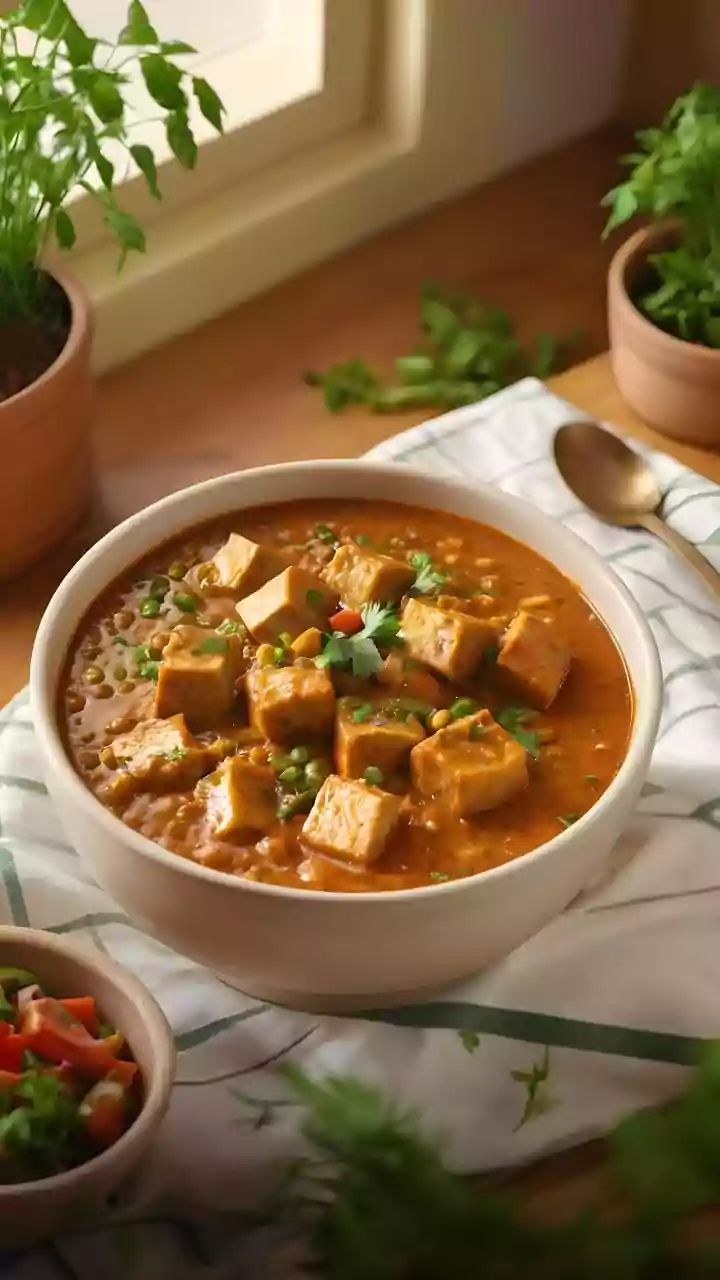
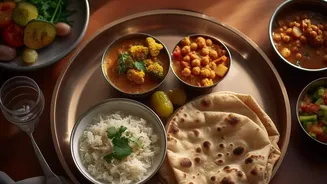
The secret to the success of India's Ready-to-Eat (RTE) and Ready-to-Cook (RTC) market lies in its core strategy: flavour familiarity. Instead of trying to introduce alien palates, leading brands are focusing on replicating the authentic, regional tastes that Indians have grown up with. Shelves are no longer just filled with generic curries. Consumers can now find everything from region-specific dishes like Andhra Veg Pulao and Madras Sambar to beloved national staples like Paneer Butter Masala and Dal Makhani. This focus on authenticity resonates deeply, transforming a simple convenience product into a nostalgic experience. It’s a recognition that while lifestyles have changed, the Indian palate has not. Companies are investing heavily in ensuring their packaged foods deliver the complex and diverse flavours of traditional home cooking, a strategy that has proven far more effective than pushing international cuisines.
The Key Players and Their Playbook
A mix of established giants and nimble startups are vying for a share of the consumer's plate. Household names like ITC (with its Kitchens of India brand), MTR Foods, Haldiram's, and Gits have built strong portfolios by leveraging their long-standing brand trust and extensive distribution networks. These companies offer a wide range of products, from instant mixes for dosas and idlis to complete ready-to-eat meals. At the same time, newer players are entering the market, often focusing on niche segments like health-conscious or plant-based meals. The widespread adoption of advanced packaging like retort technology, which ensures shelf stability for up to 12 months without preservatives, has been a game-changer. This allows brands to reach even the most remote corners of the country through both traditional retail and the booming e-commerce and quick-commerce channels, which are becoming crucial for product discovery and sales.
The Future of Fast Feasts
The convenience food market in India is poised for even greater evolution. The next wave of growth is expected to come from further specialisation and premiumisation. This includes a deeper dive into hyper-local regional cuisines, moving beyond pan-Indian favourites to offer specific dishes from smaller states and communities. There is also a significant push towards healthier options. As consumers become more health-conscious, demand is rising for products with clean labels, no artificial preservatives, organic ingredients, and functional benefits like higher protein content. We can also expect to see more innovation in the frozen food segment, which is growing rapidly thanks to improvements in India's cold-chain infrastructure. The convergence of health, convenience, and authentic taste will define the market's trajectory for years to come.