





The Sticky Skin Dilemma
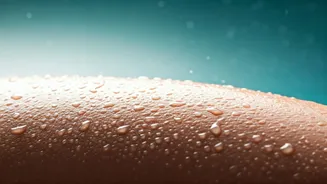
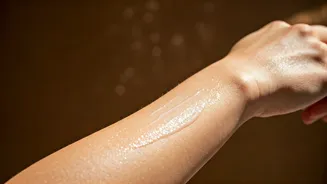
First, let's understand why our skin feels this way. When it's humid, the air is saturated with moisture. This prevents your sweat from evaporating properly, which is your body's natural way of cooling down. Instead, the sweat sits on your skin, mixing
with your natural oils (sebum) and any pollutants in the air. This combination creates an uncomfortable, tacky layer that leaves you feeling perpetually sticky and grimy. For those with already oily or combination skin, this can be particularly frustrating, often leading to clogged pores and unwelcome breakouts.
Why Skipping Moisturiser Backfires
In the face of greasy skin, avoiding moisturiser seems logical. Why add more moisture when there’s so much in the air? The answer lies in the difference between oil and water. Your skin can be oily on the surface but dehydrated underneath. When you skip moisturiser, your skin loses water throughout the day. Sensing this dehydration, it panics and produces even more oil to compensate, leaving you shinier and stickier than before. This vicious cycle can compromise your skin's protective barrier, making it more vulnerable to irritation and breakouts.
Enter: The Lightweight Champion
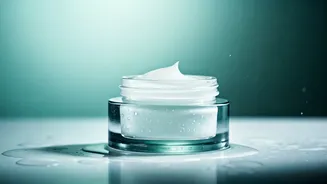
The solution isn't to ditch hydration, but to change the type of moisturiser you use. This is where lightweight formulas shine. Unlike the thick, heavy creams that save our skin in winter, light moisturisers are typically water-based and have a gel, lotion, or gel-cream consistency. They are designed to absorb quickly, delivering a burst of hydration without leaving a greasy or occlusive film on the skin. They feel refreshing and almost weightless, making them perfect for hot and humid climates where the last thing you want is another heavy layer.
The Hero Ingredients to Look For
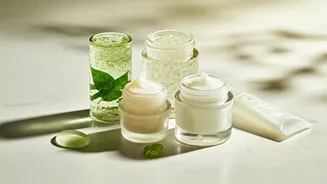
When scanning product labels, a few key ingredients signal a great lightweight moisturiser. Hyaluronic Acid is a superstar humectant that can hold up to 1000 times its weight in water, pulling moisture from the air into your skin for plump, dewy hydration without any oiliness. Niacinamide (a form of Vitamin B3) is another powerhouse; it helps regulate sebum production, minimises the appearance of pores, and evens out skin tone. For soothing benefits, look for ingredients like Centella Asiatica (Cica), green tea, and aloe vera, which help calm any redness or irritation caused by heat and sweat.
What to Avoid in High Humidity
Just as important as what to look for is what to avoid. Heavy creams rich in oils, butters (like shea butter), and thick occlusives like petrolatum can feel suffocating in humid weather. While these are excellent for very dry skin or harsh winter conditions, in a humid environment they can trap sweat and oil, leading to clogged pores and that dreaded heavy feeling. The goal is to provide your skin with water, not to seal it under a heavy, oily barrier when the air is already damp.
Get the Most Out of Your Moisturiser
Application matters. For maximum absorption, apply your lightweight moisturiser to slightly damp skin, ideally within a minute of cleansing your face or stepping out of the shower. This helps to lock in that surface hydration more effectively. You also don't need a lot of product; a small, coin-sized amount is usually sufficient for the face and neck. Gently pat it into the skin rather than rubbing aggressively. This simple switch in your routine ensures your skin gets the hydration it needs to stay balanced, healthy, and, most importantly, comfortable all day long.