





The festive season brings the joy of going home, but also the stress of finding a confirmed train ticket. When every train on your route is waitlisted, special trains are your best hope. Here’s how to find and book them before they disappear.
Understanding Festival Special Trains
Every year
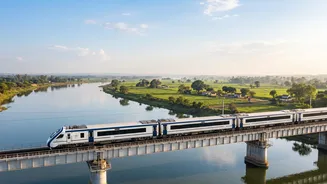
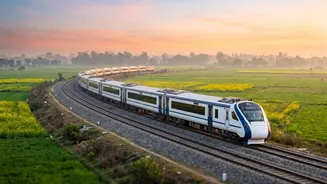
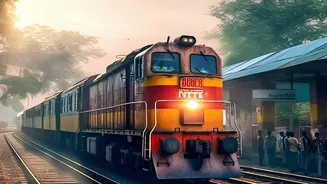
during peak festival periods like Diwali, Chhath Puja, and Holi, Indian Railways runs hundreds of 'special trains' to manage the massive surge in passenger traffic. These are temporary services added to high-demand routes where regular trains are sold out months in advance. They are identifiable by their five-digit number, which typically starts with a '0' (for example, 04209). These trains often have a 'special fare' surcharge, which is slightly higher than a regular ticket, and they may have fewer stops to ensure a quicker journey. The key is that they provide a fresh bank of seats on routes that otherwise show 'REGRET' (no tickets available). Indian Railways usually announces these trains in phases, about 15 to 30 days before the journey date, so you need to be alert.
Your Primary Tool: The IRCTC Website and App
The official IRCTC website (irctc.co.in) and the Rail Connect app are the most reliable places to find and book these special services. There's no separate section for special trains; they appear in the regular search results alongside scheduled trains once they are announced. When you search for trains between your desired stations for a specific date, look for train numbers starting with '0'. Because these trains are announced on short notice, it’s crucial to be prepared. Before the bookings open, use the 'Master List' feature on your IRCTC account to save the details of all passengers (name, age, gender). This saves critical time during the booking process, as seats on popular routes can vanish within minutes of the booking window opening. Ensure your preferred payment methods, like UPI or an e-wallet, are ready for a swift checkout.
Stay Ahead with Alerts and Announcements
Since special trains are announced sporadically, staying informed is half the battle. The best way to get advance notice is by following the official social media accounts of Indian Railways and its various zones (e.g., Northern Railway, Western Railway) on platforms like X (formerly Twitter). They often post press releases with details of new special trains, including their routes, timings, and when booking will commence. You can also set up news alerts for keywords like "Indian Railways special trains" or "festival special trains" to receive notifications. Several third-party apps and websites also track these announcements and can send you alerts, giving you a crucial head start.
Pro-Tips for Securing a Berth
Flexibility is your greatest asset. Special trains may not run daily, so check for availability on dates adjacent to your ideal travel day. Sometimes, a train departing a day earlier or later has significantly more availability. Also, consider broadening your search to nearby boarding or destination stations. For example, if trains from Delhi are full, check for trains originating from Anand Vihar Terminal. Another strategy is the 'break journey' approach: book a ticket to a major intermediate station and then another ticket from there to your final destination. This might involve two separate PNRs on the same train or different ones, but it can often open up confirmed seats where a direct booking is unavailable.
When Even Special Trains Are Full
If you end up on a waitlist even on a special train, don't lose hope. Monitor your PNR status regularly, especially in the 72 hours before departure when cancellations are most frequent. If your ticket remains waitlisted after the chart is prepared (usually 4-8 hours before departure), it will be automatically cancelled with a full refund. Indian Railways also has schemes like VIKALP, where waitlisted passengers can be moved to another train on the same route if seats are available, sometimes with a different boarding station. As a last resort, the Tatkal quota opens one day before the journey at 10 AM for AC classes and 11 AM for non-AC classes, offering another window for last-minute bookings, though at a higher price.