








Why Humidity Wreaks Havoc on Colored Hair
The science behind the frizz is straightforward. The process of coloring hair lifts its outer layer, the cuticle, to deposit pigment. This makes the hair shaft more porous. In a humid environment, this porous hair acts like a sponge, absorbing excess
moisture from the air. This causes the hair shaft to swell unevenly, leading to frizz, roughness, and a loss of shine. Worse, this swelling can cause the color molecules to leach out more quickly, leading to premature fading. Add in the strong Indian sun, and you have a recipe for color disaster, as UV rays can break down pigments and further dry out your strands.
Switch to a Gentle, Sulfate-Free Cleanser
The foundation of any good hair care routine is the shampoo, and for colored hair in humid weather, 'gentle' is the operative word. Your biggest foe in a shampoo bottle is often sulfates (like SLS and SLES). These harsh detergents create a satisfying lather but can strip your hair of its natural oils and, crucially, its expensive color. Using a sulfate-free shampoo ensures a milder cleanse that removes dirt and oil without aggressively stripping your hair's pigment and moisture. During the monsoon, you might be tempted to wash your hair more often, but try to stick to two or three times a week to prevent your color from washing out too quickly.
Prioritise Deep Conditioning and Hydration
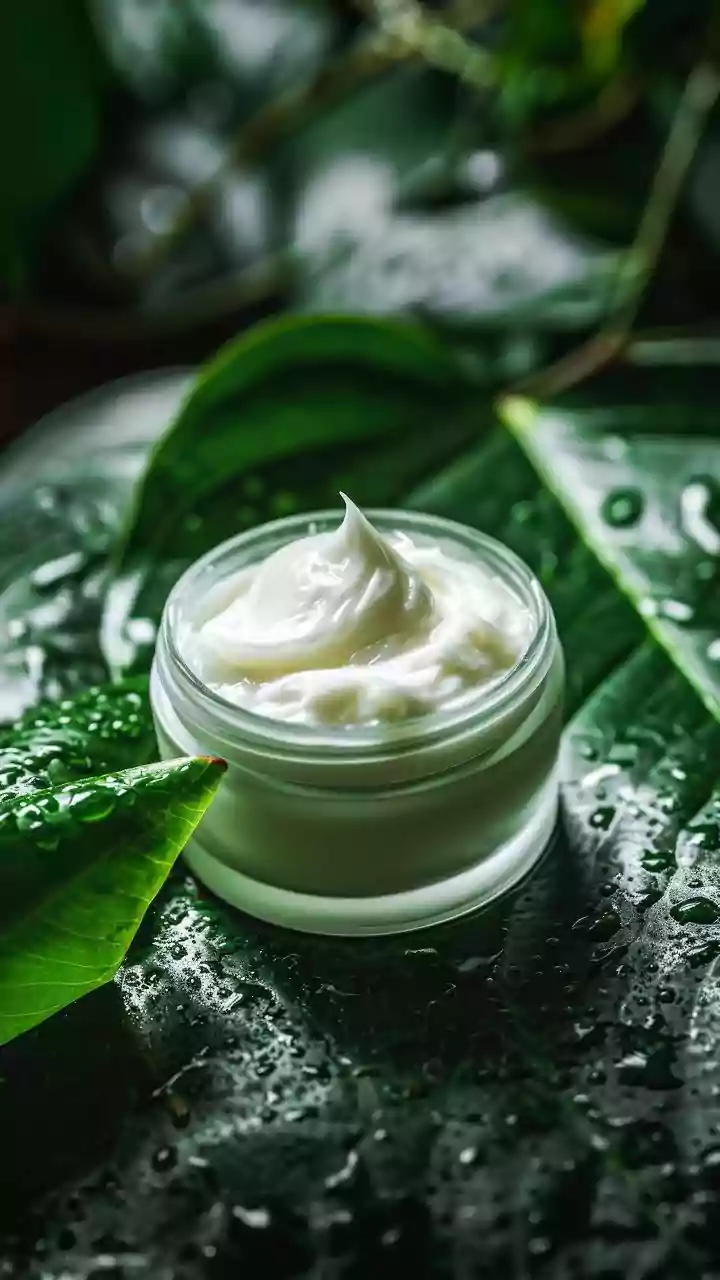
It might seem counterintuitive to add moisture to your hair when the air is already saturated, but there's a key difference between internal hydration and external humidity. Well-moisturized hair is less 'thirsty' and therefore less likely to absorb excess moisture from the atmosphere. After every wash, use a nourishing conditioner, applying it primarily to your mid-lengths and ends. Once a week, indulge in a deep conditioning mask. Look for products with ingredients like keratin, argan oil, shea butter, or coconut milk, which help to repair damage, smooth the cuticle, and replenish lost moisture. A final rinse with cool water can also help seal the cuticle, locking in both moisture and color.
Create a Shield with Leave-In Products
Think of leave-in products as your hair's personal raincoat. A good leave-in conditioner or anti-frizz serum works by creating a protective barrier over the hair shaft. This 'shield' seals the cuticle, preventing humidity from penetrating and causing frizz. Apply a small amount to damp hair after washing and before styling. For fine hair, a lightweight spray is ideal, while thicker, coarser hair might benefit from a cream or oil. This step is non-negotiable for keeping your colored hair smooth and manageable throughout a long, humid day.
Don't Forget Sun Protection
The sun is just as much of a threat to your hair color as humidity. UV rays act like a natural bleach, breaking down the chemical bonds in hair dye and causing your vibrant shade to fade into a dull, brassy version of its former self. Especially during the intense Indian summer, protecting your hair from the sun is crucial. The easiest way to do this is by using a UV protectant hair spray or mist. Many of these products are lightweight and can be spritzed on dry hair before you step outside. For added protection, wearing a hat or a scarf is always a stylish and effective option.
Style Smartly for Humid Days
On the most humid days, sometimes the best strategy is to work with your hair, not against it. Minimise the use of heat styling tools, as they can cause further damage to already vulnerable colored strands. When you do blow-dry, use a nozzle to direct the airflow downwards to help smooth the cuticle. Consider embracing heatless styles like braids, buns, or ponytails. These not only keep your hair off your neck in the heat but also protect it from the elements and minimise frizz. A finishing touch of an anti-humidity hairspray can help lock your style in place.