




Control Dampness and Prevent Mould
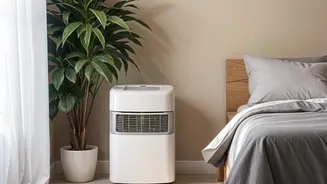
High humidity creates the perfect breeding ground for mould and mildew, which can damage walls and furniture and trigger allergies. The most effective strategy is to improve ventilation. Open windows for a few hours on dry days to allow fresh air to circulate.
Use exhaust fans in kitchens and bathrooms to expel moist air. For enclosed spaces like wardrobes and cabinets, leave doors ajar occasionally. You can also place natural moisture absorbers like silica gel packs, charcoal, or even a bowl of coarse salt to draw excess moisture from the air. Wiping down damp surfaces, especially in kitchens and bathrooms, prevents mould from taking hold.
Prioritise Electrical Safety
Water and electricity are a dangerous mix, and monsoon weather increases the risk of short circuits and electric shocks. Before the season begins, it is wise to have an electrician inspect your home's wiring for any wear and tear, especially outdoor connections and those near windows. Never touch switches or electrical appliances with wet hands. During thunderstorms, it's safest to unplug non-essential electronics like televisions and computers to protect them from power surges. Ensure that outdoor electrical outlets have weatherproof covers and that no extension cords are left on wet ground. If you notice flickering lights or a buzzing sound from an outlet, address it immediately.
Ward Off Monsoon Pests
The rainy season forces pests like cockroaches, ants, termites, and rodents to seek shelter indoors. Mosquitoes, which can transmit diseases like dengue and malaria, breed in stagnant water. The first line of defence is to eliminate their entry points and breeding grounds. Seal any cracks in walls or gaps around pipes and doors. Ensure there is no stagnant water in or around your home; regularly empty water from plant trays, air coolers, and any other containers. Keep your kitchen meticulously clean, storing food in airtight containers and covering drains at night. A clean, dry home is far less attractive to unwanted guests.
Protect Furniture and Clothing
Wooden furniture is particularly vulnerable during the monsoon, as it can absorb moisture, causing it to swell and warp. Keep wooden items at least a few inches away from damp walls to allow air to circulate behind them. Polishing or waxing furniture before the rains begin can create a protective barrier. To prevent that all-too-familiar musty smell in your clothes, ensure they are completely dry before storing them. If you must dry laundry indoors, use a fan to speed up the process and keep a window open for ventilation. Placing camphor balls, neem leaves, or silica gel packets in wardrobes can help protect fabrics from mildew and odours.
Stay Healthy and Hygienic
The monsoon season sees a spike in water-borne diseases and other infections. Prioritising hygiene is non-negotiable. Wash your hands frequently with soap and water, especially before meals. Be cautious about food and water sources. It's best to drink boiled or purified water and avoid street food, especially raw items like salads or juices, which may be contaminated. Eating fresh, home-cooked meals is the safest option. Strengthening your immunity is also crucial. Incorporate foods rich in Vitamin C, such as citrus fruits, and traditional immunity-boosters like ginger and turmeric into your diet.