






The Trouble with the Cereal Bowl
Many popular breakfast cereals, despite their health claims, are highly processed and loaded with added sugars. This causes a rapid spike in blood sugar, followed by an inevitable crash. This "glucose rollercoaster" can leave you feeling tired, hungry,
and unfocused just a few hours into your day. These cereals are often made from refined grains that have been stripped of their natural fibre and nutrients during industrial processing. While they may be fortified with some vitamins and minerals, they often lack the complex structure of whole foods that promotes lasting fullness and digestive health.
The Power of Complex Carbohydrates
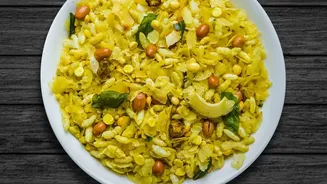
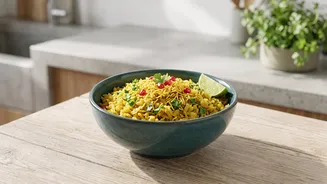
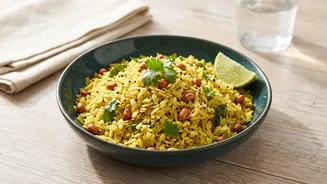
Traditional Indian breakfasts like poha, upma, idli, and dosa are typically based on whole or minimally processed grains and lentils. These are rich in complex carbohydrates, which the body digests slowly. Instead of a sudden sugar rush, they provide a steady, sustained release of energy that fuels your body and brain for hours. This prevents the energy slumps associated with sugary foods and helps maintain stable blood sugar levels, which is crucial for overall health and well-being. For example, poha (flattened rice) has a lower glycemic impact than many processed cereals because its starch is less refined and it retains more fibre.
A Symphony of Balanced Nutrients
An Indian breakfast is rarely just about carbohydrates. It is a thoughtfully combined meal. Consider a plate of idli with sambar: the fermented rice and lentil cakes provide carbohydrates and protein, while the sambar is packed with vegetables and pulses, adding fibre and essential nutrients. Similarly, poha is often cooked with vegetables, and garnished with peanuts and a squeeze of lemon, adding fibre, healthy fats, and vitamin C. This combination of protein, healthy fats, and fibre is key to satiety, helping you feel full and satisfied until your next meal and reducing the urge to snack.
The Fermentation Factor
Many beloved breakfast dishes, such as dosa, idli, and dhokla, are made from fermented batters. This ancient practice is a nutritional game-changer. Fermentation pre-digests the starches and proteins in the grains and lentils, making them easier for our bodies to absorb. It also enriches the food with probiotics, the beneficial bacteria that support a healthy gut. A thriving gut microbiome is linked to better digestion, a stronger immune system, and even improved mood. These benefits are entirely absent in the sterile, packaged environment of a cereal box.
Taste That Nourishes
Beyond the nutritional science, there is the undeniable appeal of taste and texture. A warm, savoury breakfast provides a comforting and deeply satisfying start to the day. The use of aromatic spices like turmeric, mustard seeds, and curry leaves in dishes like poha and upma doesn't just add flavour; many of these spices also have anti-inflammatory and antioxidant properties. This combination of flavour, aroma, and wholesome ingredients creates a meal that nourishes both body and soul, a far cry from the often monotonous sweetness of many breakfast cereals.