





More Than Just a Meal
At its heart, a food walk is a curated culinary journey led by a local expert. But to label it as just 'eating' would be a disservice. It's an interactive, mobile feast that uses taste as a gateway to understanding a city's soul. Unlike passively reading
a menu, a food tour is an active experience. Participants walk through historic neighbourhoods, stopping at hidden gems and legendary stalls they would likely never find on their own. This format is especially appealing to younger travellers who, influenced by social media and a desire for authenticity, are increasingly planning entire trips around culinary experiences. It’s about chasing a story, not just a five-star review.
A Living Bite of History
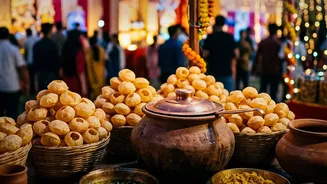
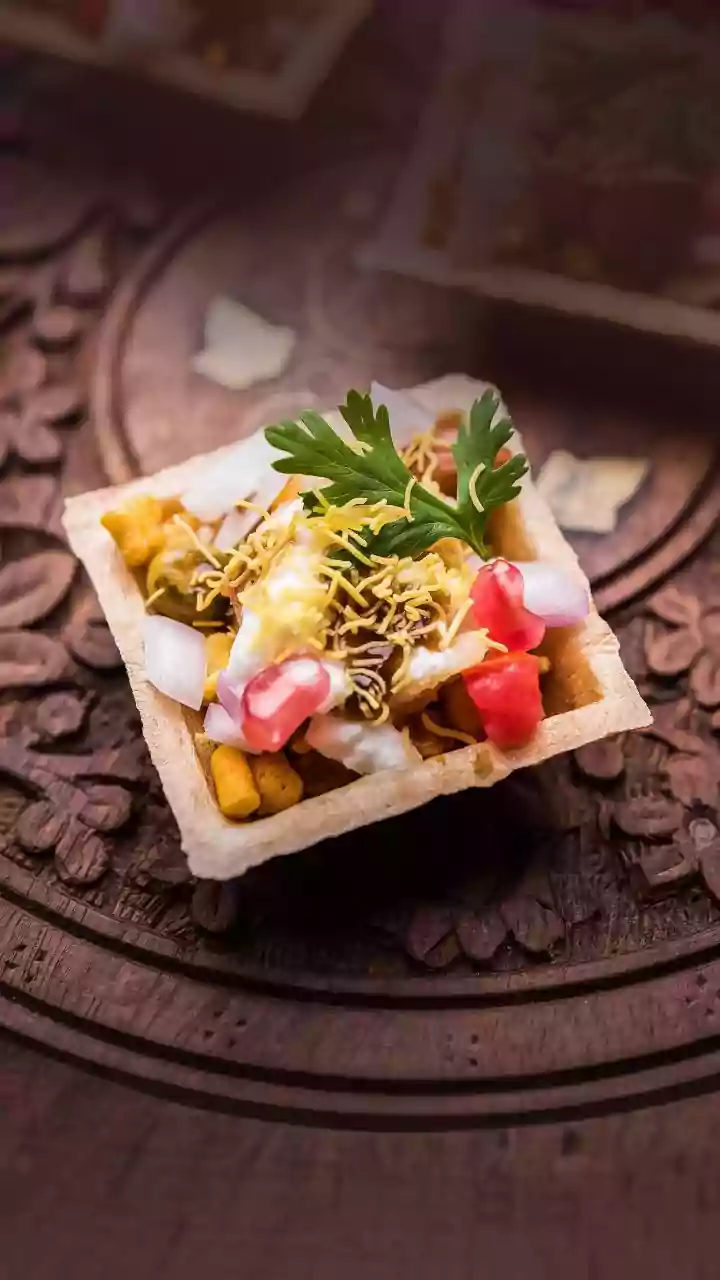
Every dish served on a food walk is a delicious history lesson. The ingredients, cooking methods, and flavour profiles tell stories of migration, trade routes, colonial influences, and centuries-old traditions. The vada pav in Mumbai, for instance, speaks to the city’s history as a hub for mill workers needing a quick, affordable meal. Similarly, the evolution of chaat in Delhi reflects the intermingling of different cultures over time. A knowledgeable guide connects these dots, explaining how a particular spice arrived in the region or why a certain dish is prepared during a specific festival. The food becomes a tangible artifact, allowing travellers to taste the history that shaped the city.
The Power of Human Connection
Perhaps the most enriching aspect of a food walk is the human element. It breaks down the barriers between tourist and local. Travellers get to interact directly with the people behind the food: the third-generation sweet-maker, the passionate chef at a family-run eatery, or the street vendor who has perfected a single recipe over decades. These interactions offer a glimpse into the daily lives, pride, and craftsmanship that define a community. The group dynamic of a tour also fosters connection, as a small number of like-minded travellers share in the discovery, sparking conversations and creating shared memories over a shared plate.
Navigating the Authentic City
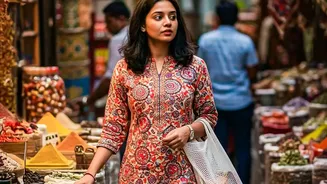
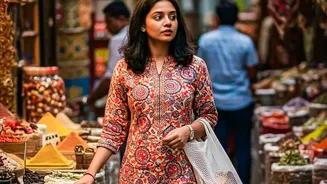
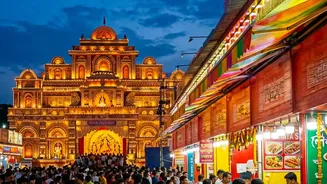
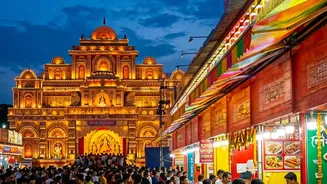
Food walks lead travellers away from polished tourist traps and into the vibrant, chaotic, and authentic heart of a city. They offer a safe and structured way to explore neighbourhoods that might otherwise seem intimidating. By following a local guide, visitors can confidently navigate bustling markets and winding alleyways, discovering the rhythm of local life. This approach turns the entire city into a dining room, where each course is served in a different setting, from a crowded market stall to a quiet, historic courtyard. This sensory immersion—the sounds of sizzling pans, the aroma of spices, the sights of daily commerce—creates a far more memorable and holistic impression of the destination.
The Rise of the Curious Foodie
The growing popularity of food walks is directly tied to a shift in travel motivations, especially among Millennial and Gen Z travellers. This demographic is less interested in passive consumption and more focused on active participation and learning. Studies show that younger travellers are more adventurous eaters and are highly likely to plan trips around food. For them, food is a language. It’s a way to connect with a culture on a deeper level, create shareable moments, and return home with a story. In a world saturated with generic travel content, a food walk offers something real, tangible, and deeply personal.